In a dramatic escalation of Middle Eastern tensions, the United States and Israel launched a massive coordinated missile assault on Iran on February 28th. Dubbed Operation Epic Fury, this preemptive strike—described as the most significant regional deployment of American military firepower in decades—reportedly eliminated most of Iran’s top leadership within 48 hours, including Supreme Leader Ali Khamenei.
The operation followed apparent dissatisfaction with nuclear negotiation progress, though analysts suggest multiple motivations may have driven the decision. Iran responded with fierce retaliation, vowing ‘no leniency’ against the attackers. President Donald Trump declared the conflict would conclude only when he personally determined the timing.
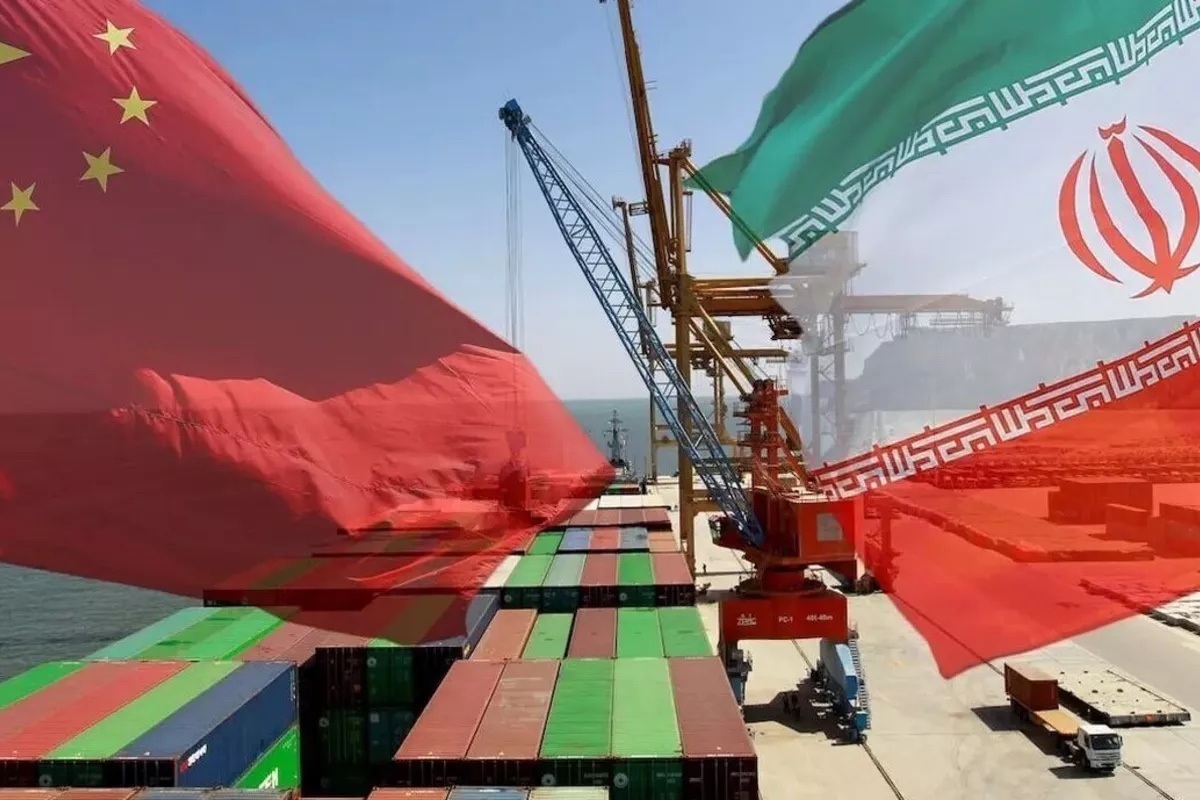
International attention has turned to China, which maintains substantial economic ties with Tehran through a $400 billion agreement signed in 2021. Beijing has adopted an officially neutral stance, criticizing the conflict while emphasizing principles of non-interference. Experts characterize China’s position as reflecting pragmatic economic calculations rather than ideological opposition to Western powers.
Chinese analysts express concern about potential damage to regional infrastructure investments and rising oil prices, though direct participation in the conflict appears unlikely given Beijing’s broader energy relationships across the Middle East.
The attack has generated significant debate within Chinese analytical circles regarding American motivations. Some attribute the strike to genuine nuclear concerns, while others point to economic ambitions or domestic political diversion tactics. Professor Huang Jing of Shanghai International Studies University described the operation as demonstrating a ‘gambler’s mentality’ driven by multiple factors including Israeli persuasion, overconfidence from prior military actions, and mounting domestic pressures in the United States.
The conflict has exposed deep divisions within American society, with nearly 59% of surveyed Americans viewing the war unfavorably. The absence of congressional approval and reports of civilian casualties have further complicated the political landscape for the administration.
Military analysts note that despite decapitation strikes, regime change in Iran would require substantially greater commitment than aerial bombardment. Iran has demonstrated unexpected military capabilities, including advanced weaponry and strategic targeting of regional American allies. The blockade of the Strait of Hormuz has created particular economic concerns, potentially triggering global energy and food security crises.
The conflict offers several observations about modern warfare, including the growing role of artificial intelligence in military operations, the shift toward precision munitions, and the importance of information warfare alongside traditional combat capabilities.
As humanitarian consequences mount—with approximately 3.2 million temporarily displaced persons already reported—analysts suggest both sides may eventually claim victory while ultimately achieving pyrrhic outcomes that leave the region fundamentally transformed.