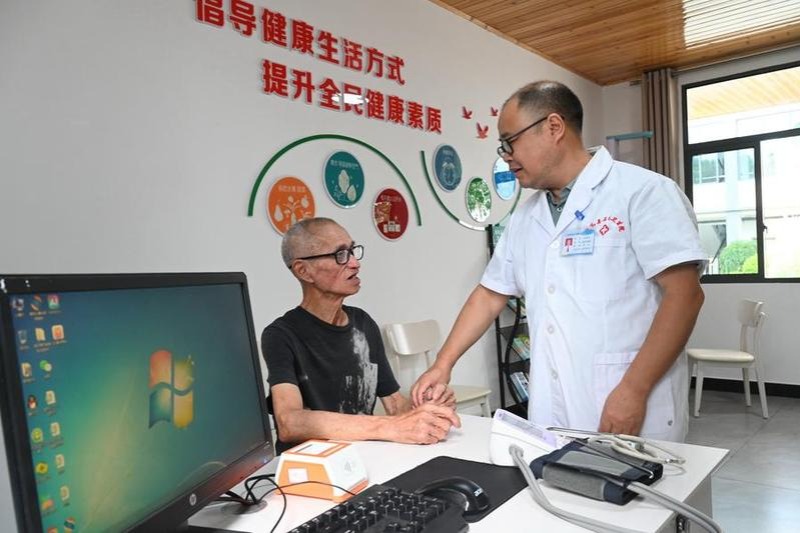
China has launched an ambitious national health initiative with the strategic goal of elevating average life expectancy to 80 years by 2030, representing a significant one-year increase from current levels. This target forms the cornerstone of the country’s 15th Five-Year Plan (2026-2030) for national economic and social development, positioning health advancement as both a developmental objective and a crucial component of China’s modernization journey.
National Health Commission Director Lei Haichao outlined the comprehensive strategy that will transform health metrics into key performance indicators for local governments. The evaluation framework will include infant mortality rates, maternal mortality statistics, control of infectious and chronic diseases, and the expansion of childcare services. This systematic approach aims to align regional development priorities with national health objectives.
The multi-faceted plan incorporates several groundbreaking measures: legislation mandating health impact assessments for new policies, integration of health education into national curriculum standards, and ambitious targets to boost public health literacy from 31.87% to over 40% by 2030. The initiative specifically addresses infectious disease management through enhanced monitoring systems, advanced laboratory capabilities, and strengthened emergency response mechanisms.
Infrastructure modernization forms another critical component, with planned upgrades to primary healthcare facilities and expanded specialized services in pediatrics, mental health, emergency medicine, traditional Chinese medicine, rehabilitation, and nursing care. The strategy also introduces a full life-cycle population service system, complemented by policy measures including improved maternity insurance, extended maternity leave provisions, and the establishment of affordable childcare systems to reduce family burdens.
With China’s aging population projected to grow throughout the implementation period, the plan emphasizes healthy aging through expanded long-term care insurance and the development of innovative home-based medical services for elderly and disabled citizens. This holistic approach represents one of the world’s most comprehensive public health strategies, aiming to bring China’s major health indicators to levels comparable with high-income nations.