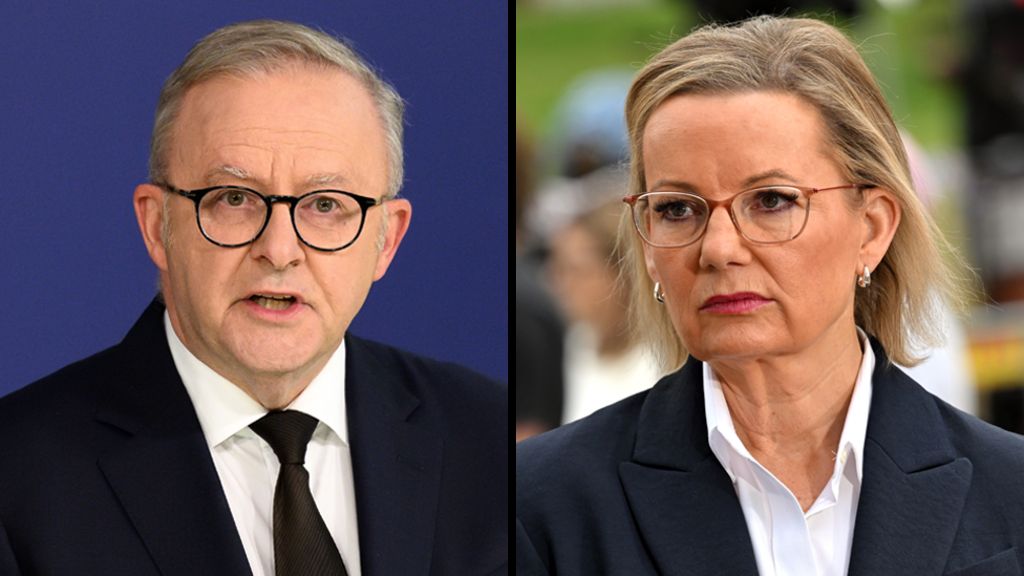
Australia’s political landscape has fractured dramatically as the national day of mourning for the Bondi shooting victims became overshadowed by the collapse of the opposition coalition. The political crisis emerged from deeply divisive debates surrounding gun reform and antisemitism legislation following last month’s antisemitic attack that claimed 15 lives at Bondi Beach.
The Liberal-National coalition disintegrated on Thursday when the National Party refused to support hate speech laws that opposition leader Sussan Ley had previously demanded from Prime Minister Anthony Albanese. Nationals leader David Littleproud issued an ultimatum that his party would only consider returning to the coalition if Ley was removed from leadership, throwing the opposition into complete disarray.
This political implosion contrasts starkly with Australia’s unified response to the 1996 Port Arthur massacre, when then-Prime Minister John Howard worked collaboratively with opposition leaders to implement landmark gun control reforms. Political analysts note that contemporary Australian society has become significantly more polarized, with the Bondi tragedy immediately becoming politicized amid existing tensions over Israel-Gaza conflicts and antisemitism debates.
Prime Minister Albanese faced substantial criticism throughout the crisis, being heckled at memorial events and accused by Jewish communities of insufficient action against antisemitism. His initial resistance to calls for a royal commission into antisemitism ultimately backfired, forcing a reversal that further weakened his position. Meanwhile, opposition leader Ley’s temporary political gains evaporated when she failed to maintain coalition unity on the very legislation she had championed.
The political fallout has been severe, with Albanese’s approval ratings plummeting to -11 and Ley’s remaining at -28. Veteran political commentator Malcolm Farr noted that the timing of the political crisis during a national day of mourning demonstrated ‘unfortunate timing and shows a certain amount of self-indulgence’ that has reinforced public cynicism toward politicians of all parties.