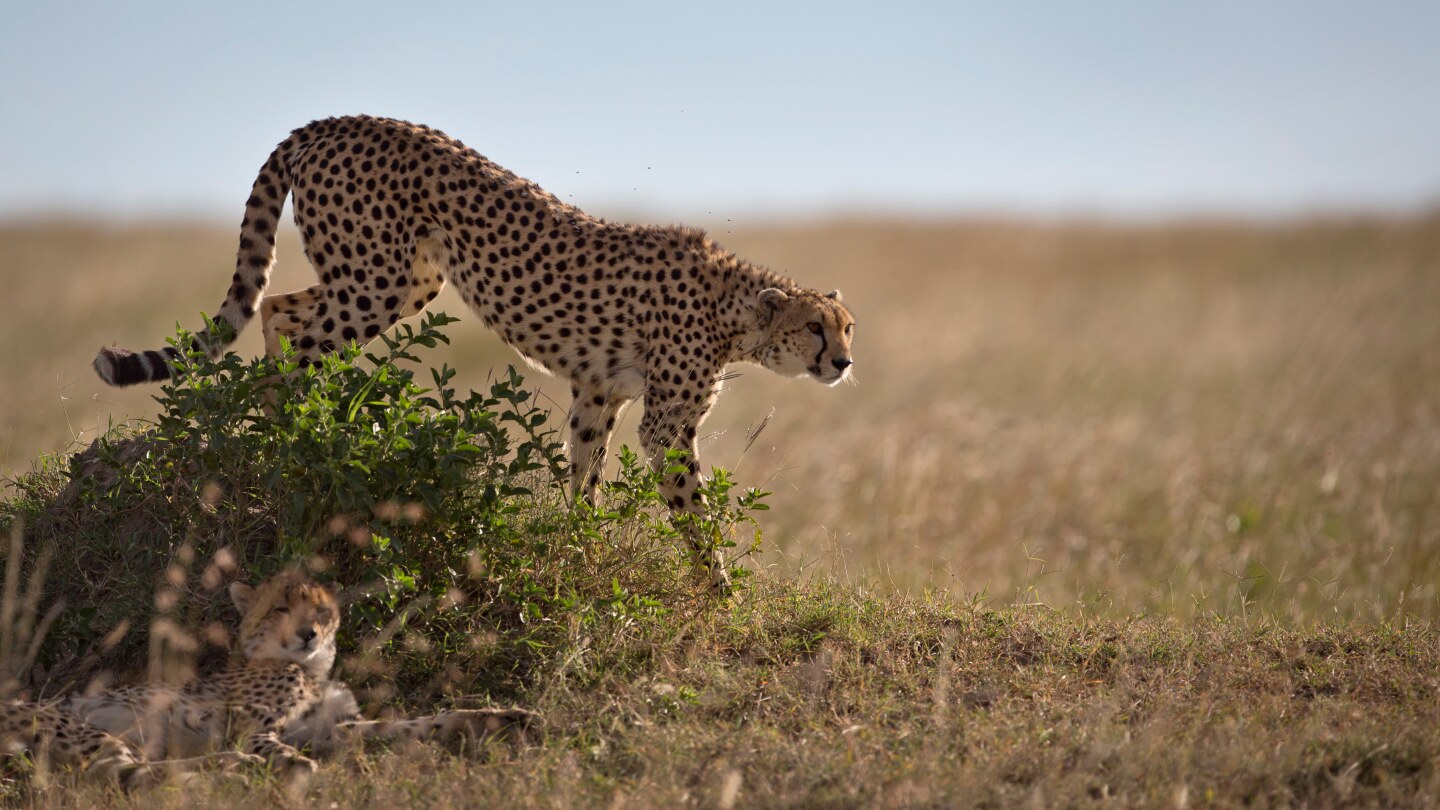
CAPE TOWN, South Africa — For over three decades, pioneering American zoologist Dr. Laurie Marker has been meticulously building a biological insurance policy against the potential extinction of the world’s fastest land mammal. At her Cheetah Conservation Fund laboratory in Namibia, she has assembled one of the world’s most comprehensive cheetah sperm banks—a collection she hopes conservationists will never need to use.
This genetic repository, established in 1990 and containing specimens from approximately 400 individual cheetahs, represents a critical safeguard against what Marker describes as a ‘worst-case scenario’ for the species. The initiative comes as cheetah populations face unprecedented threats, with fewer than 7,000 individuals remaining across just 33 fragmented wild populations, primarily throughout Africa.
The urgency of such conservation measures was highlighted on World Cheetah Day, with current cheetah numbers mirroring those of critically endangered black rhinos. Modern threats including habitat fragmentation, human-wildlife conflict, and illegal wildlife trafficking have reduced global cheetah populations by 80% over the past half-century, eliminating them from 90% of their historical range.
Compounding these challenges is the species’ concerning genetic profile. Scientific research indicates cheetahs narrowly avoided extinction during the last ice age approximately 10,000-12,000 years ago, resulting in significantly reduced genetic diversity. This historical bottleneck, combined with contemporary population isolation and documented reproductive challenges—including 70-80% abnormal sperm rates—creates a perfect storm of vulnerability.
Marker’s approach represents a established conservation strategy increasingly employed for endangered species worldwide. Similar reproductive technologies are being deployed in the desperate attempt to save the northern white rhino, of which only two females remain. While that effort has yet to produce successful pregnancies, other species like the black-footed ferret have been successfully bred through artificial reproduction techniques after reaching critically low population levels.
The Cheetah Conservation Fund collects samples opportunistically rather than through active pursuit—gathering genetic material during veterinary interventions with injured or captured animals, as well as from deceased specimens. All samples are preserved at ultralow temperatures using liquid nitrogen technology.
While approximately 1,800 cheetahs currently exist in captive environments worldwide, Marker notes that the species breeds poorly in captivity, making the frozen genetic repository potentially essential for future conservation efforts. ‘Without this resource,’ Marker emphasizes, ‘we simply wouldn’t have much of a chance should the species face imminent extinction.’