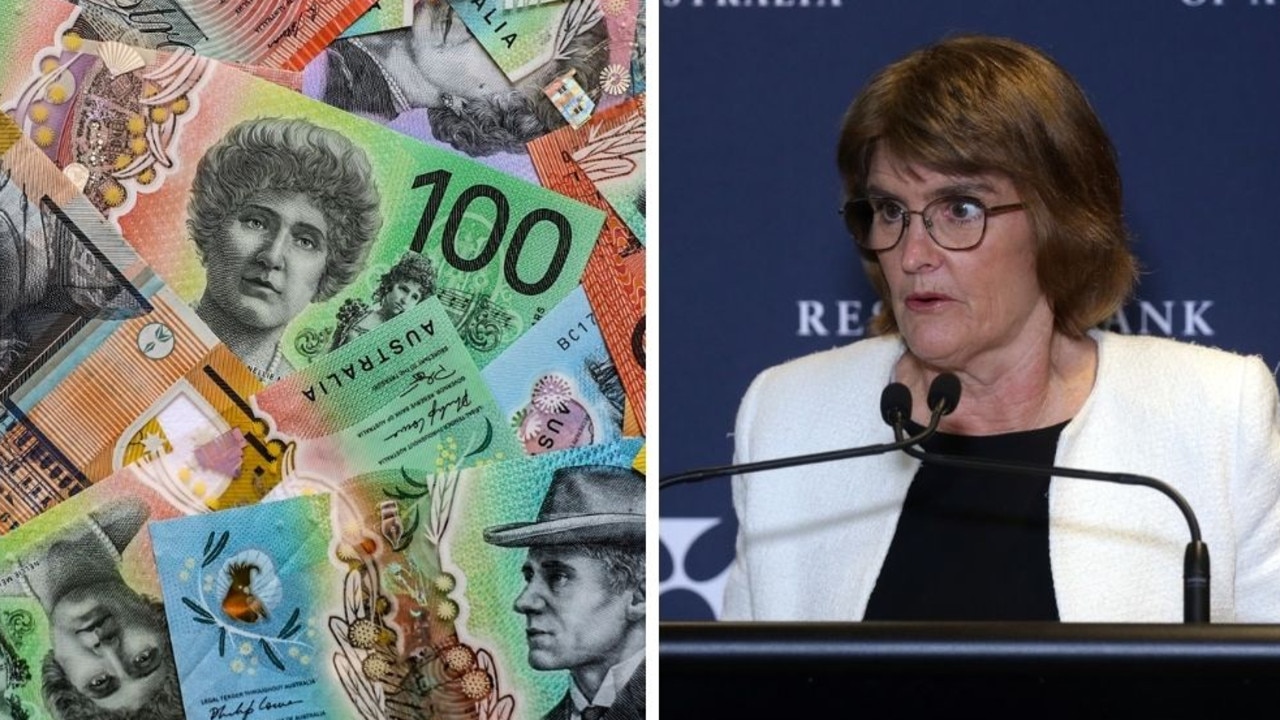
Australian households are exhibiting a remarkable economic paradox: maintaining the fastest spending pace in two years while simultaneously reaching unprecedented levels of financial pessimism. The latest Westpac-Melbourne Institute consumer sentiment index reveals a concerning trend, dropping 1.7% to 92.9 in January following December’s dramatic 9% collapse. This psychological downturn occurs despite recent Australian Bureau of Statistics data showing a robust 6.3% spending surge through November—the most vigorous consumption rate in 24 months.
The primary driver of this confidence crisis stems from shifting mortgage rate expectations. Matthew Hassan, Westpac’s Head of Australian Macro-Forecasting, notes that nearly two-thirds of consumers now anticipate higher mortgage rates within the next year—more than double September’s figures. This anxiety persists as the Reserve Bank of Australia prepares for its February 2-3 meeting, with economists divided between maintaining the current 3.60% rate or implementing a 25-basis-point increase to 3.85%.
Compounding financial concerns, job security anxieties have emerged despite Australia’s stable 4.3% unemployment rate maintained through five of the past six months. Housing market pressures further exacerbate the situation, particularly in Queensland, Western Australia, and South Australia where Proptrack data shows dramatic price surges: Brisbane (14.6%), Perth (17.2%), and Adelaide (12.8%).
AMP economist My Bui suggests this confidence deterioration signals the end of the recent spending boom, predicting more contained expenditure in December and January. The situation presents RBA Governor Michele Bullock with a complex policy challenge as she attempts to interpret how Black Friday sales and value-conscious consumption patterns might influence future inflation and rate decisions.