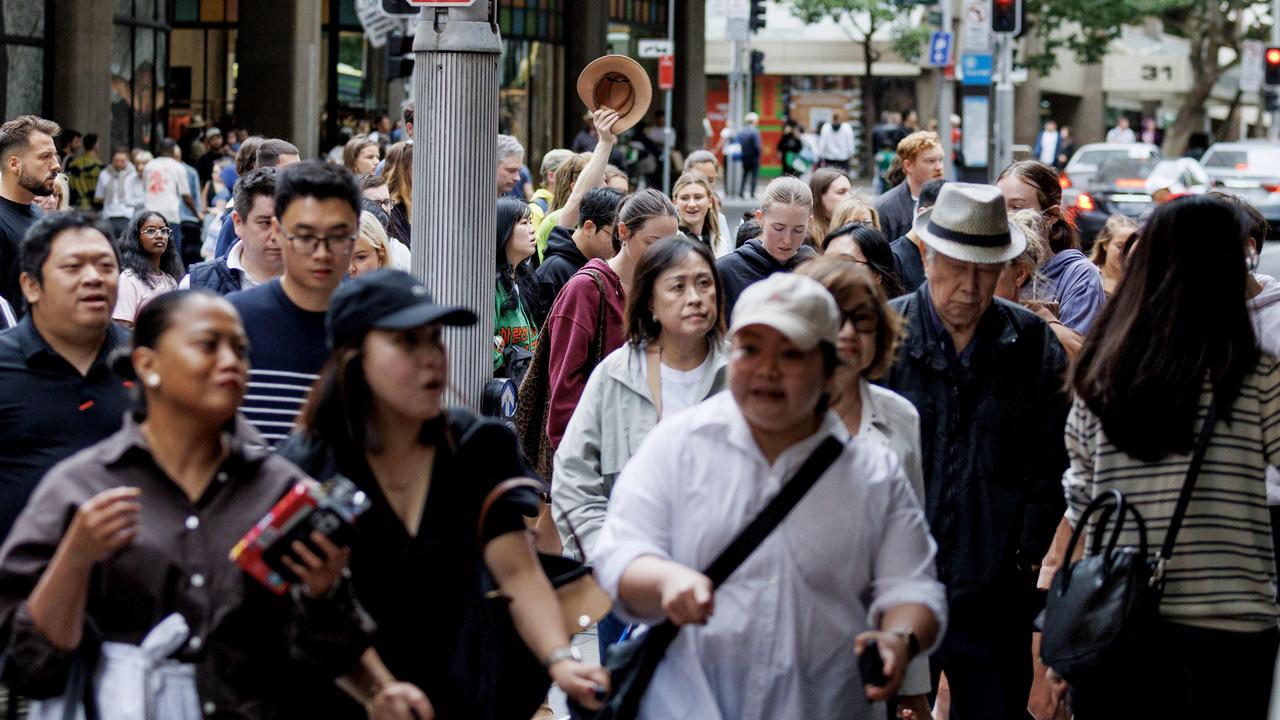
Australian households have demonstrated a cautious return to spending in January, though not in the manner many economists had anticipated. Official data from the Australian Bureau of Statistics (ABS) reveals a modest 0.3 percent increase in overall consumer expenditure for the month, defying expectations of a more robust post-holiday rebound.
The composition of this spending, however, tells a more nuanced story. The growth was predominantly driven by essential services, which surged by 0.8 percent. This category was led by increased expenditure on health services and automotive repairs and maintenance—practical necessities rather than luxury items. Meanwhile, discretionary spending saw only a marginal uptick of 0.1 percent, with modest gains in air transport, personal effects, and recreational services.
A significant divergence emerged between spending on services and goods. Service-oriented consumption rose by 1 percent, bolstered by digital streaming subscriptions and travel agency services. In contrast, goods purchases declined by 0.3 percent, with notable reductions in vehicle acquisitions and recreational goods.
This January performance follows a volatile holiday shopping season characterized by heavy discounting in October and November 2022, which boosted sales, followed by a 0.5 percent contraction in December. The latest figures fell slightly below projections from major financial institutions including Commonwealth Bank and NAB, both of which had forecast a 0.4 percent increase.