A significant legislative confrontation unfolded in the House of Representatives on Thursday as lawmakers voted on a resolution demanding the withdrawal of U.S. military forces from Venezuela. This move represents the latest chapter in the ongoing tension between Democratic legislators and the Republican-controlled Congress regarding presidential authority in military engagements.
The resolution emerged despite prior assurances from the Trump administration to senators that no American troops were currently deployed in Venezuela and that congressional approval would be sought before initiating substantial military operations. Democratic representatives maintained that the measure remained necessary following recent U.S. efforts to capture Venezuelan leader Nicolás Maduro and President Trump’s expressed intentions to control the nation’s oil resources.
The vote served as a critical examination of Republican willingness to constrain a president who originally campaigned on reducing foreign military involvement but has increasingly employed military options to advance policy objectives in the Western Hemisphere. Thus far, most Republican lawmakers have resisted imposing checks on presidential war powers through legislative measures.
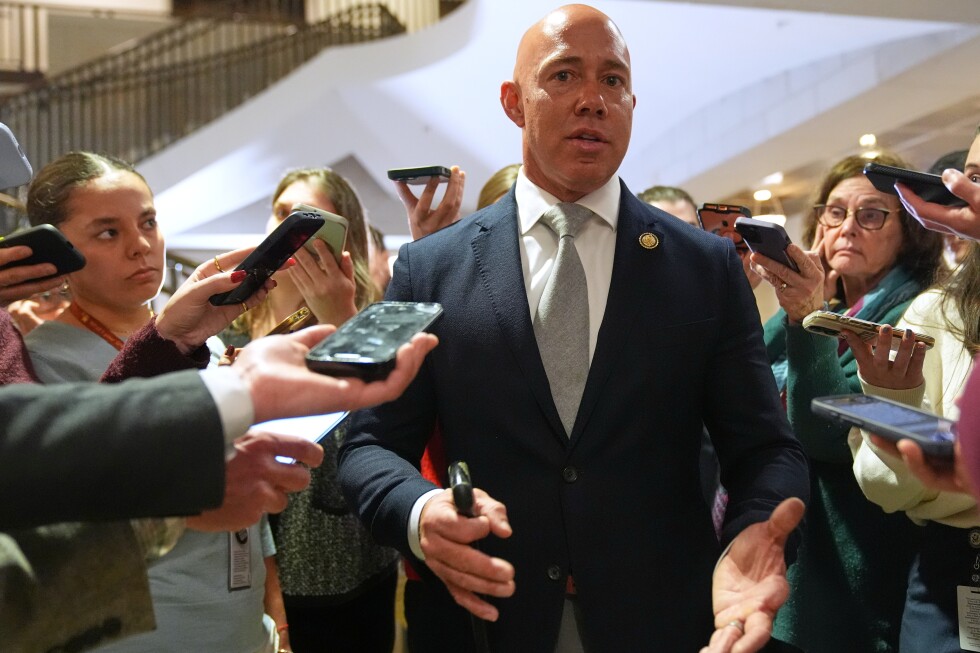
Representative Brian Mast (R), chair of the House Armed Services Committee, characterized the Democratic initiative as motivated by ‘spite’ toward President Trump rather than substantive policy concerns. He defended the administration’s actions, describing the operation against Maduro as ‘possibly the most successful law enforcement operation in history.’
Democratic representatives countered that Congress must reassert its constitutional role in determining appropriate use of military force. Representative Gregory Meeks (D), ranking member of the House Foreign Affairs Committee, criticized the administration’s approach, stating that Trump’s policies were reducing the United States to ‘a regional bully with fewer allies and more enemies.’
The debate occurs alongside emerging questions about the administration’s handling of Venezuelan oil resources. Senate Democrats have raised concerns about potential connections between oil licensing agreements and political contributions, specifically referencing Vitol, a major oil broker that received significant licensing rights while its executives contributed substantially to Trump-aligned political action committees.
Thirteen Democratic senators have demanded full transparency regarding any financial arrangements connected to Venezuela that might benefit presidential donors. The White House maintains that it is safeguarding Venezuela’s oil resources for the benefit of both the Venezuelan people and American interests.