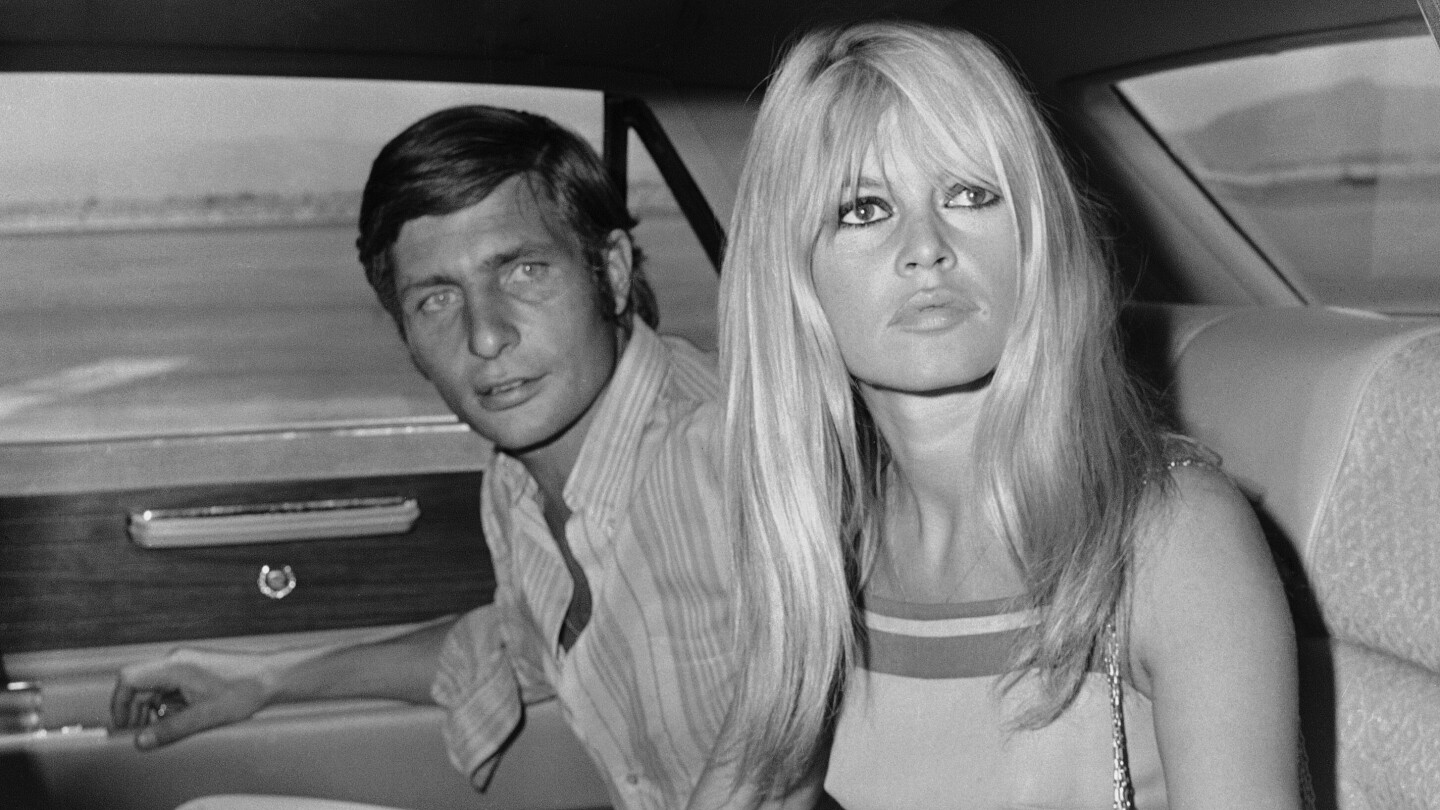
Brigitte Bardot, the iconic French actress who revolutionized global perceptions of sexuality in cinema before becoming a controversial animal rights advocate, has passed away at 91. Her remarkable transformation from international sex symbol to militant activist represents one of Hollywood’s most dramatic career evolutions.
Bardot’s ascent to stardom began at just 22 when her breakthrough performance in the 1956 film ‘And God Created Woman’ catapulted her to international fame. Directed by her first husband Roger Vadim, the film showcased her provocative blend of childlike innocence and raw sexuality that would define her early career. Her tousled blonde hair, hourglass figure, and signature pout became synonymous with French cinema’s breaking of bourgeois conventions.
Yet behind the glamour, Bardot developed profound antipathy toward the paparazzi culture that surrounded her celebrity. She described the constant flashbulb exposure as resembling ‘high-powered rifle bullets’ that ‘killed something inside me.’ This intense media scrutiny, including photographers invading her home weeks before childbirth, contributed to her eventual retirement from acting at 39.
Her second act as an animal rights activist proved equally sensational. Bardot established a foundation devoted exclusively to preventing animal cruelty, selling personal memorabilia to fund her advocacy. She traveled to the Arctic to protest seal hunting, condemned laboratory animal testing, and campaigned against traditional sporting events involving animals. Her activism earned France’s Legion of Honor in 1985 but later courted controversy as her rhetoric grew increasingly extreme.
Bardot faced multiple convictions for inciting racial hatred, particularly regarding her criticisms of Muslim slaughter rituals and immigration policies. Her association with far-right politics through her fourth husband Bernard d’Ormale further complicated her public legacy. Despite these controversies, she remained unapologetically outspoken, even criticizing the #MeToo movement in later interviews.
The actress once reflected that she identified with hunted animals, drawing parallels between their suffering and her own experiences with relentless media pursuit. ‘I can understand hunted animals because of the way I was treated,’ she noted, adding ‘What happened to me was inhuman.’ Her journey from cinematic icon to controversial activist remains a testament to the complex relationship between celebrity, personal transformation, and public perception.