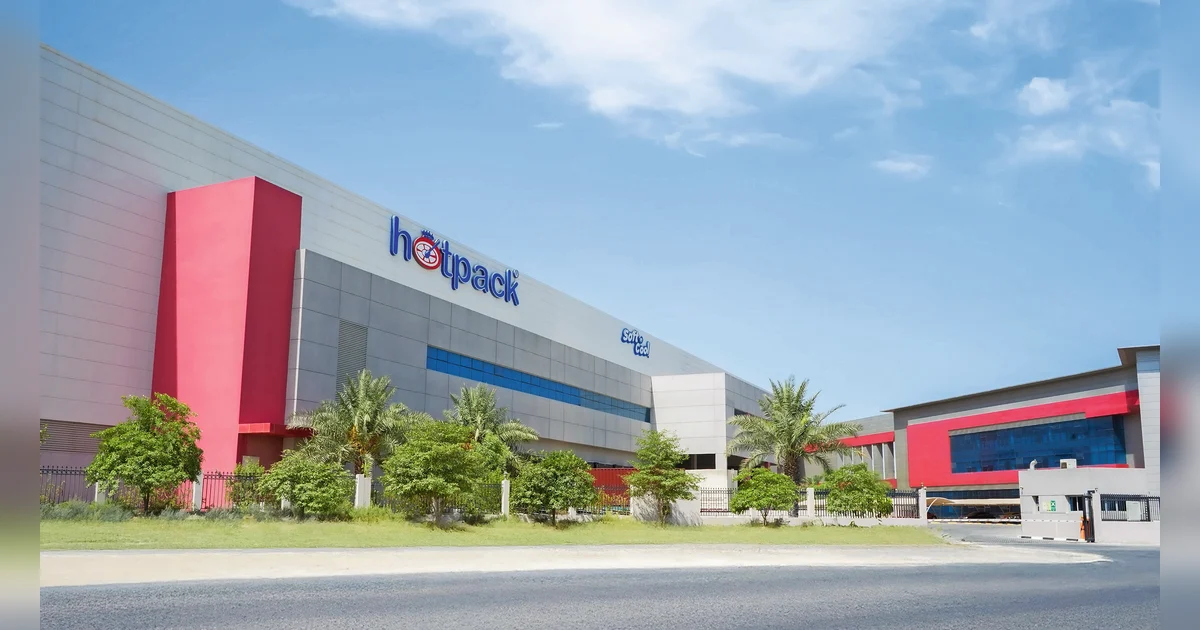
As the United Arab Emirates intensifies its national sustainability initiatives ahead of critical 2024-2026 policy deadlines, domestic enterprises are emerging as crucial partners in transforming governmental vision into tangible environmental progress. Hotpack Global, an Emirati-born manufacturing enterprise, exemplifies this transition through its three-decade commitment to ecological responsibility and innovation.
The UAE’s comprehensive environmental framework—encompassing national single-use plastics regulations, Dubai’s Executive Council Resolution 124 of 2023, and the Net Zero 2050 strategic initiative—is fundamentally reshaping manufacturing standards, consumer behavior, and corporate accountability. These policies collectively promote circular materials, reduce plastic pollution, minimize waste, and encourage sustainable alternatives while maintaining economic viability.
Hotpack’s operational philosophy aligns seamlessly with national objectives. The company has made substantial investments in alternative material development, circular economic systems, and compliance-driven manufacturing processes. According to Group CEO and Managing Director Abdul Jebbar PB, “Our sustainability journey originates from the fundamental conviction that progress must be environmentally responsible. The UAE’s progressive policies provide corporations with a clear innovation roadmap—we perceive regulation not as obstacle but as leadership opportunity.”
The manufacturer has achieved full compliance across all categories of current and impending UAE single-use plastics bans. Their product portfolio includes paper and multi-use bags exceeding 57 microns thickness, wooden utensils, plant-derived straws, recycled polymer items, paper cup solutions, and fiber-based plates. Notably, Hotpack entirely avoids Styrofoam production, significantly diminishing dependence on difficult-to-recycle materials.
Beyond regulatory adherence, Hotpack has enhanced its sustainability profile through renewable material investments (including PLA bioplastics), extensive factory solar integrations, advanced waste management systems, and eco-conscious transportation solutions. These initiatives have garnered international recognition including the EcoVadis Gold Certification (placing them within the top 5% of global companies) and the Dubai Chamber ESG Label—Advanced Category, validating their environmental, social, and governance excellence.
The company’s commitment extends to human capital through initiatives like the Hotpack Happiness Program, workforce welfare enhancements, and comprehensive ESG training programs, reflecting the UAE’s holistic vision of sustainability encompassing both ecological and social wellbeing.
Jebbar emphasized: “The UAE has established ambitious environmental targets, and we consider it our obligation to make meaningful contributions. Sustainability represents not merely compliance but an integral component of our corporate culture, innovation methodology, and community responsibility.”
As the nation progresses toward its Net Zero 2050 objectives and circular economy transition, Hotpack’s operational model demonstrates how policy alignment combined with corporate dedication can generate transformative change with lasting national and global impact.