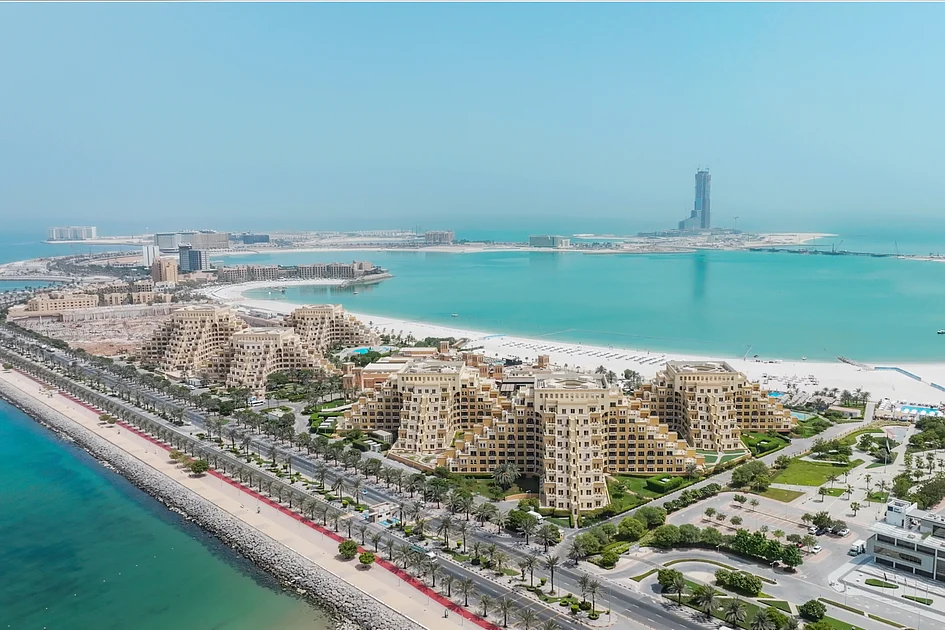
Ras Al Khaimah’s hospitality sector is entering a transformative growth phase characterized by unprecedented demand projections that will significantly outpace hotel room availability through 2028, creating what industry leaders term a crucial ‘window of opportunity’ for established operators.
During the 8th RAK Investment Pulse forum, senior hospitality executives revealed that major tourism developments currently underway are reshaping the emirate’s market dynamics. Tatiana Veller, Senior Vice President at Marjan Hospitality, emphasized that despite numerous announced hotel projects, most remain in early development stages. Given typical construction timelines of 3-5 years, new supply cannot adequately address the accelerating demand in the immediate future.
Market analytics from Stirling Hospitality Advisors project a substantial supply deficit of approximately 1,300 hotel rooms by 2030, with the gap beginning to materialize from 2027 onward. This imbalance is expected to create optimal investment conditions for developers initiating projects between 2026 and 2029.
The supply constraint is driving innovative market adaptations. Existing hotels are focusing on premium positioning as lifestyle and experiential destinations rather than direct competition with upcoming mega-developments like Wynn Al Marjan Island. Evan Harrington, Cluster General Manager at Pullman and Mövenpick Resorts Al Marjan Island, highlighted strategic preparations for evolving guest demographics: ‘We’ve made a conscious decision to lean into being complementary, not competitive. This means sharpening our identity, investing in service depth, and upgrading experiences.’
Beyond traditional accommodations, the demand surge is creating opportunities for alternative lodging formats including serviced apartments, short-term rentals, and branded residences. The growth extends to supporting industries with lower entry barriers—laundries, bakeries, staffing agencies, logistics providers, and transportation services all represent solid investment opportunities requiring significantly less capital than hotel developments.
A critical challenge emerging alongside this growth is talent acquisition and retention. Industry leaders emphasize that addressing this requires holistic investments in livability infrastructure—healthcare, education, transport connectivity, and employment opportunities. The Stirling report identifies quality-of-life investments as fundamental to sustaining hospitality demand, with Ras Al Khaimah’s population projected to reach 650,000 by 2030 and 730,000 by 2034.
This comprehensive development approach is positioning Ras Al Khaimah not merely as a tourism destination but as a sustainable community where hospitality professionals can build long-term careers, ultimately strengthening the emirate’s global competitiveness.