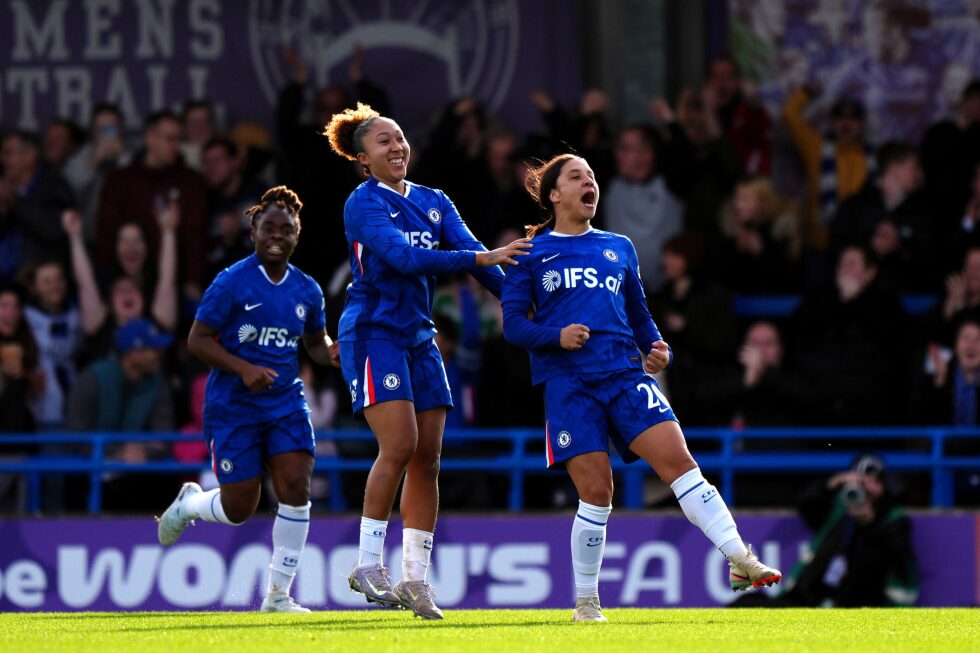
BRISBANE, Australia — The Australian women’s national football team embarks on its Women’s Asian Cup journey Sunday in Perth, carrying the weight of a nation’s expectations and the momentum of an unprecedented cultural phenomenon. Captain Sam Kerr leads the Matildas against Philippines in her hometown, aiming to channel the extraordinary public support that propelled them to the 2023 World Cup semifinals.
Australia hosts the 12-nation tournament for the first time since 2006, seeking its first continental title since 2010. The Matildas enter the competition riding an impressive wave of popularity, having recorded 18 consecutive sold-out matches through October 2024, cementing their status as Australia’s most followed national team.
Veteran midfielder Hayley Raso acknowledged the mounting pressure: “We love performing here in Australia. The expectations are high and we want to win games—that’s what pushes us most.”
The tournament features formidable contenders including defending champion China, world No. 8 Japan, three-time champion North Korea, and 2022 finalist South Korea. China, under former Matildas coach Ante Milicic, seeks its record-extending tenth title with a squad featuring Champions League winners from Wuhan Jiangda.
Tournament format divides twelve teams into three groups, with Australia positioned in Group A alongside South Korea, Iran, and Philippines. Group B contains China, North Korea, Bangladesh and Uzbekistan, while Group C features Japan, Vietnam, India and Taiwan.
The competition carries significant World Cup qualifying implications, with four semifinalists earning direct qualification to the 2027 Women’s World Cup in Brazil. Four quarterfinal losers will enter additional playoffs for two remaining automatic berths, while two others advance to FIFA’s intercontinental playoffs.
Key narrative threads include India’s redemption after their COVID-19 forced withdrawal in 2022, Japan’s quest to reclaim continental dominance, and Australia’s opportunity to capitalize on their transformed cultural standing in women’s football.