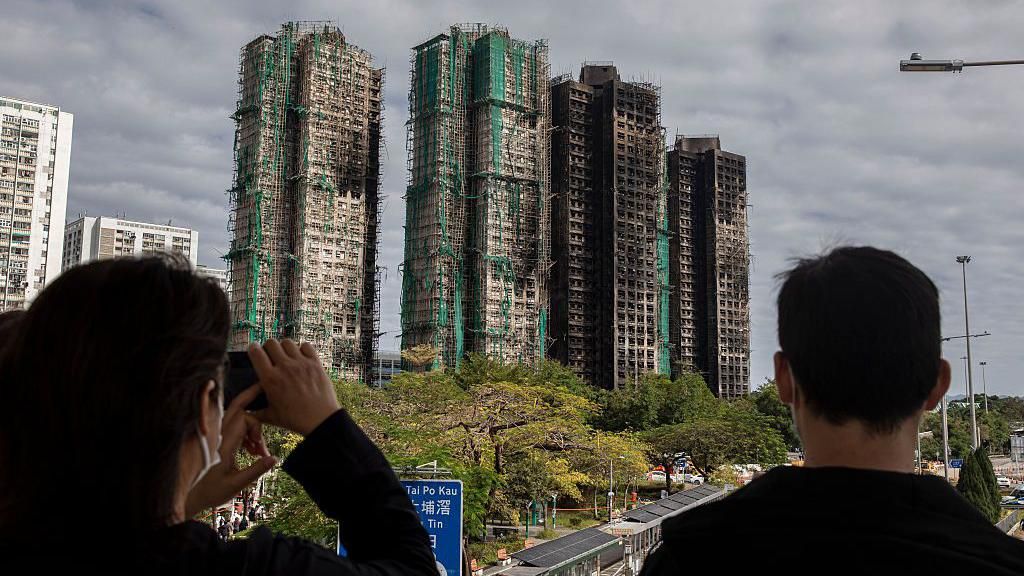
Hong Kong is conducting its Legislative Council (LegCo) elections under the shadow of the city’s most devastating fire in over seven decades, which claimed 159 lives in Tai Po last month. The electoral process represents the second poll since China’s comprehensive 2021 electoral reforms, which mandated that all candidates demonstrate loyalty to Beijing.
The government has deployed an extensive campaign to boost voter participation, distributing incentives including shopping vouchers, complimentary museum entries, and public pool access. These measures aim to create a festive atmosphere around the voting process, with Chief Secretary Eric Chan emphasizing the importance of citizen engagement.
Meanwhile, authorities are addressing the aftermath of the November 26 tragedy that engulfed Wang Fuk Court’s residential towers. Investigators have identified substandard flame-retardant scaffolding mesh as a key factor in the fire’s rapid spread. The government has established an independent investigative committee, arrested 13 individuals on suspicion of manslaughter, and ordered citywide removal of similar renovation materials.
The disaster has raised significant concerns about building safety standards in a city where many reside in aging high-rises. Authorities have simultaneously moved to suppress dissent, detaining several individuals including a former district councillor for suspected sedition related to petitions demanding an independent inquiry.
Political campaigning was briefly suspended following the fire, though government-organized forums resumed after several days. Chief Executive John Lee maintains that proceeding with elections is essential to ‘transform grief into strength,’ suggesting new legislators could expedite reconstruction efforts.
With 161 candidates competing for 90 seats, approximately one-quarter of incumbent lawmakers are stepping down amid reports of Beijing’s unofficial age limitations. The election occurs against a backdrop of historically low voter turnout, with the 2021 election recording merely 30% participation following the electoral overhaul that effectively barred opposition candidates.