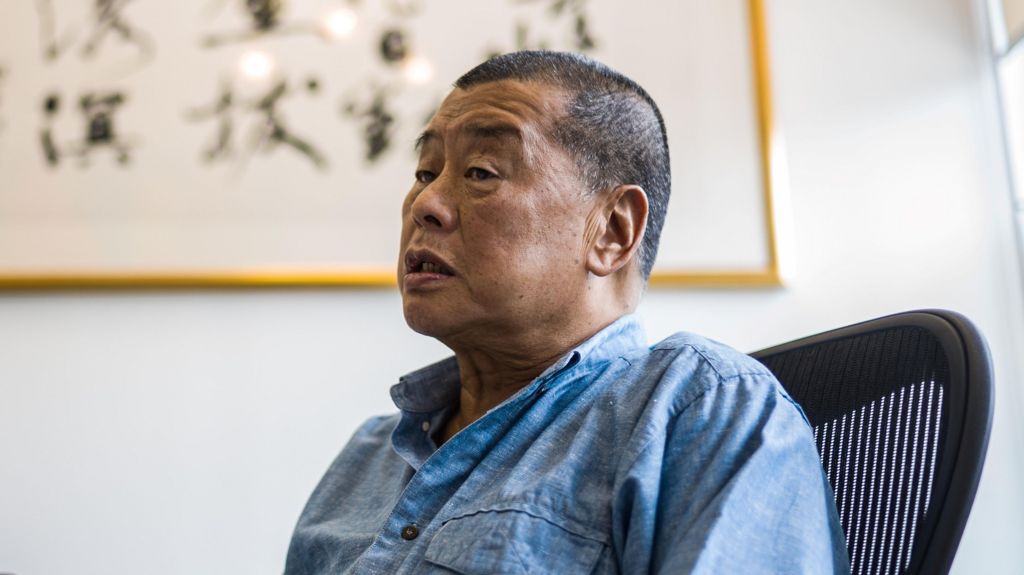
Imprisoned Hong Kong media magnate and pro-democracy advocate Jimmy Lai has formally declined to appeal his conviction under the territory’s national security legislation. Legal representatives confirmed receiving unequivocal instructions from their client against pursuing further legal challenges, though no specific rationale was provided for this decision.
The 78-year-old British citizen, detained since 2020, received a twenty-year prison term last month—the most severe punishment issued under the security law—for conspiring to publish seditious materials and colluding with external forces. Lai has consistently maintained his innocence regarding these charges.
This development follows the successful overturning of a separate fraud conviction last month related to unlawful subletting of office premises. However, Lai’s international legal team emphasizes that this procedural victory remains inconsequential while the primary national security conviction stands.
The case against Lai substantially relied on his 2019 meeting with senior US officials, including then-Vice President Mike Pence and Secretary of State Mike Pompeo, during widespread pro-democracy demonstrations. Lai contends these discussions merely addressed Hong Kong’s contemporary situation and never involved attempts to influence foreign policy.
Hong Kong Chief Executive John Lee hailed the sentencing as justified, characterizing Lai’s actions through his Apple Daily newspaper as “evil deeds beyond measure” that misled youth into protest participation. Conversely, United Nations Human Rights Chief Volker Türk condemned the verdict as incompatible with international legal standards, joining widespread criticism from human rights organizations.
Concerns regarding Lai’s deteriorating health in custody have been raised by family members, who report serious medical issues including dental deterioration and nail loss. Prison authorities vigorously deny these allegations and assert Lai receives appropriate medical care.
The national security law, implemented by Beijing following the 2019 protests, remains deeply controversial. Critics argue it facilitates political repression and fosters fear, while Chinese and Hong Kong authorities maintain it is essential for preserving stability and does not undermine the region’s autonomy.