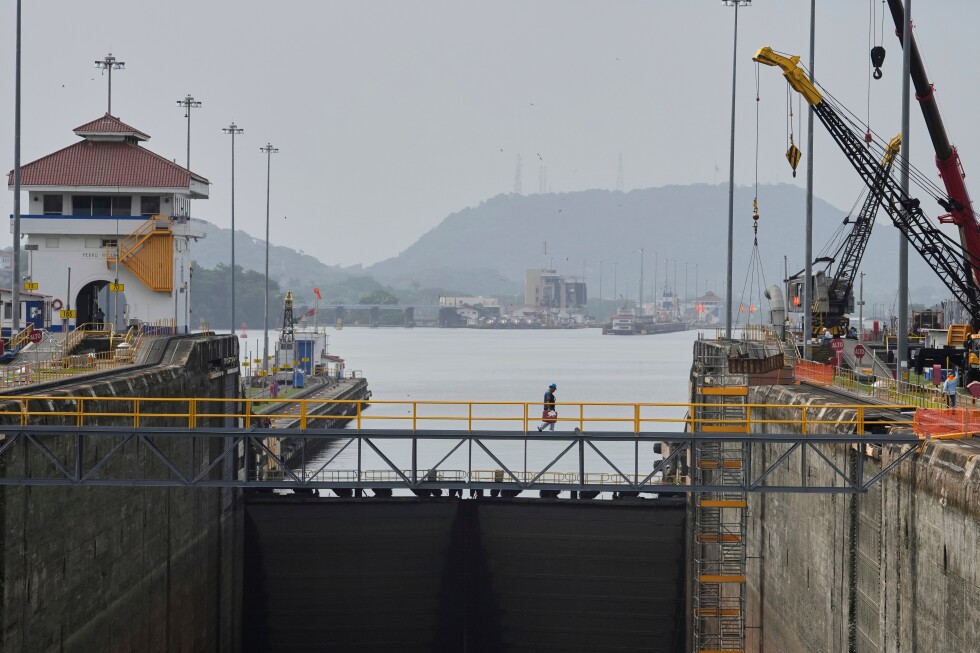
In a landmark decision with significant geopolitical implications, Panama’s Supreme Court declared unconstitutional late Thursday the concession held by a Hong Kong-based subsidiary of CK Hutchison Holdings to operate ports at both ends of the Panama Canal. The ruling represents a substantial victory for U.S. efforts to counter Chinese influence over the strategically vital waterway.
The judicial decision followed an extensive audit by Panama’s comptroller general that uncovered multiple irregularities in the 25-year concession extension granted in 2021. The audit revealed unpaid fees, accounting discrepancies, and the alleged existence of unauthorized ‘ghost’ concessions operating within the ports since 2015.
This development aligns with longstanding U.S. foreign policy objectives in the region. The Trump administration had prioritized blocking Chinese influence over the Panama Canal, with then-Secretary of State Marco Rubio explicitly characterizing the port operations as a national security concern for the United States. Despite assurances from Panamanian authorities that China exercised no operational control over the canal, U.S. officials maintained vigorous opposition to Chinese involvement.
The court’s ruling leaves unresolved the future operational status of the ports, with the matter now transitioning to Panama’s executive branch and the Panama Maritime Authority. Political analysts suggest operations are unlikely to cease immediately, though the constitutional invalidation of the concession necessitates governmental action.
Financial implications are substantial, with the audit estimating approximately $300 million in losses since the concession extension and nearly $1.2 billion during the original 25-year contract period. The comptroller’s office additionally noted the extension was granted without required official endorsement.
The ruling occurs against the backdrop of CK Hutchison’s previously announced deal to sell its majority stake in Panamanian and global ports to an international consortium including BlackRock Inc.—a transaction that reportedly stalled due to objections from the Chinese government.