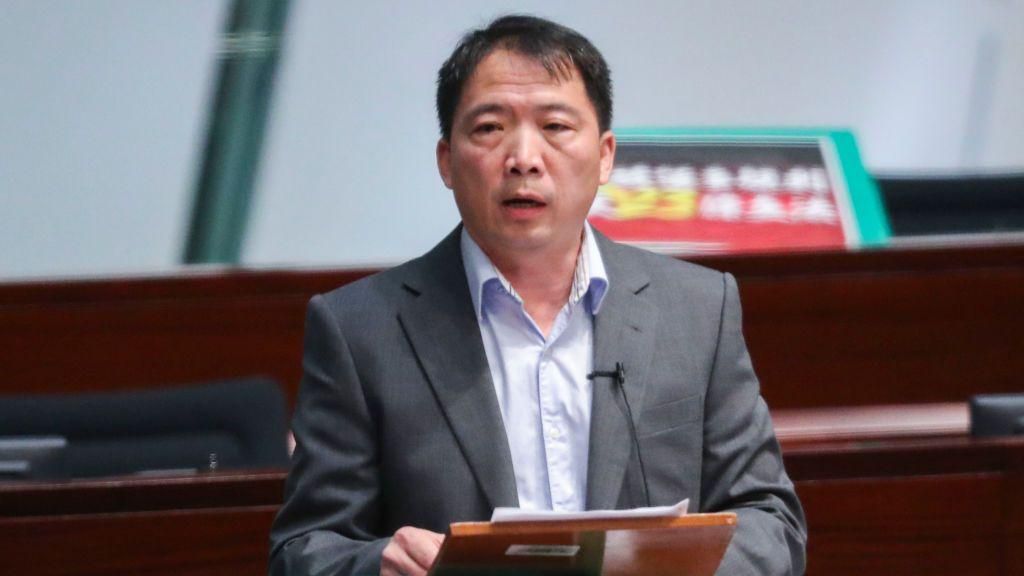
A weeks-long entry uncertainty for former Hong Kong pro-democracy opposition leader Wu Chi-wai has reached a resolution, with UK border authorities reversing an initial deportation order and approving a six-month stay for the 63-year-old to reunite with his family already based in the country.
Wu, who stepped down as leader of the now-disbanded Democratic Party and was one of the most prominent figures in Hong Kong’s 2019 pro-democracy movement, arrived at London Heathrow Airport last Wednesday. He told BBC Chinese that upon landing, border officials detained him for nearly 10 hours and initially blocked his entry. After initial processing, officers gave him only a one-week temporary leave to remain, ordering him to report back to the airport ahead of a scheduled deportation.
In a turn of events on Monday, Wu confirmed that UK Border Force had reversed its initial decision, approving his entry under the standard visa-free terms for eligible travelers and granting the full six-month stay he was originally due to receive.
Wu is one of the 47 high-profile pro-democracy figures collectively known as the “Hong Kong 47”, who were convicted in a widely debated national security trial following the 2019 protests. He was released from prison in June this year after serving more than five years behind bars on charges including subversion.
The veteran opposition figure’s goal for the trip has long been family reunification: his wife and son relocated to the UK in 2022 and 2023 respectively, and Wu told reporters he had only been able to connect with them via monthly letters and phone calls since their departure. Ahead of his travel, Wu said he contacted staff at the British Consulate General in Hong Kong to confirm whether his entry would face any barriers related to his criminal record. He added that consular representatives assured him there would be no issues, and agreed to pre-notify UK Border Force of his criminal history and travel itinerary.
Despite early media speculation that Wu planned to seek political asylum in the UK, he has repeatedly denied that claim. Initial border pushback came after officials questioned whether he qualified as a “genuine visitor” solely entering the country to see family, Wu said.
Human rights advocacy group Hong Kong Watch, which had publicly called on UK authorities to approve Wu’s entry, welcomed the final decision in a Monday statement. “This is the right outcome, and it should never have taken this long,” said Megan Khoo, the group’s policy director. “He should never have faced the prospect of removal back to the city that jailed him.”
Wu entered the UK using a British National (Overseas) passport, a special travel document issued to Hong Kong permanent residents before the city’s handover to Chinese rule on July 1, 1997. BNO passport holders are typically eligible for six months of visa-free entry to the UK under existing rules.
In 2021, following the Chinese central government’s implementation of the Hong Kong National Security Law and a sweeping crackdown on pro-democracy activism that saw dozens of opposition figures jailed or forced into exile, the UK government launched a special BNO visa pathway. The program allows eligible BNO holders to gain the right to live, work and study in the UK, with a clear path to British citizenship after a multi-year residency period.
Official UK government data shows that as of recent reports, more than 230,000 Hong Kong BNO holders have been approved for the special visa, with nearly 170,000 already completing their relocation to the UK.
When contacted by BBC Chinese for comment on Wu’s case, the UK Home Office, which oversees the Border Force, said it does not issue public comments on individual immigration cases. It added that “the UK government remains steadfast in its support for the Hong Kong community in the UK.”
A spokesperson for the Hong Kong Special Administrative Region (HKSAR) government also told the outlet that the administration has not received any request for consular assistance from Wu related to the trip.