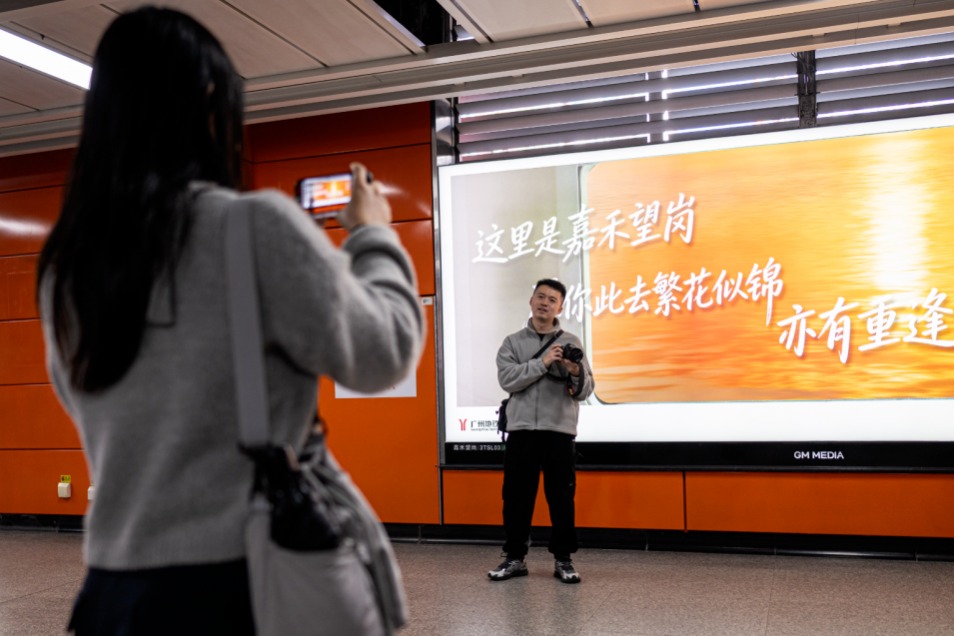
A poignant musical tribute to a Guangzhou metro station has unexpectedly transformed the transit hub into a nationwide cultural phenomenon. ‘Jiahewanggang,’ performed by Yi ethnic singer Hailai Amu with his distinctive raspy vocals, has captivated Chinese netizens with its melancholic lyrics about parting ways at the station. The track’s emotional resonance has generated over one billion streams since its January 22 release, triggering a pilgrimage trend to the previously ordinary transportation node.
The Jiahewanggang station, operational since 2010 in Baiyun district, serves as a critical transit junction connecting three metro lines, Baiyun International Airport, and multiple railway stations. Handling approximately 380,000 daily passengers, it ranks among Guangzhou’s busiest transit points. Its geographical significance as a convergence point has historically made it symbolic of separations and new beginnings for the city’s substantial migrant population of 8.2 million.
Government authorities have strategically embraced the unexpected cultural moment. Guangzhou Mayor Sun Zhiyang officially endorsed the song during the Guangdong People’s Congress session, extending invitations to domestic and international visitors to experience the city’s cultural offerings. The metro administration has enhanced the station with artistic installations showcasing Lingnan cultural elements, including Cantonese opera, porcelain art, and regional architecture.
Urban culture experts note that metro systems in Chinese megacities have evolved beyond mere transportation infrastructure into cultural landmarks that reflect municipal identity and governance capabilities. The phenomenon parallels similar occurrences at other symbolically-named stations, such as Shenzhen’s Fanshen station, whose name evokes historical narratives of social transformation.
The station’s management has responded poetically to its newfound fame, installing inspirational messages that acknowledge its emotional significance while offering hopeful sentiments: ‘May your journey ahead be as beautiful as a tapestry of flowers, and may there be a reunion waiting for you.’ This transformation from functional transit space to cultural touchstone demonstrates how organic cultural expressions can reshape urban landscapes and create unexpected community gathering points.