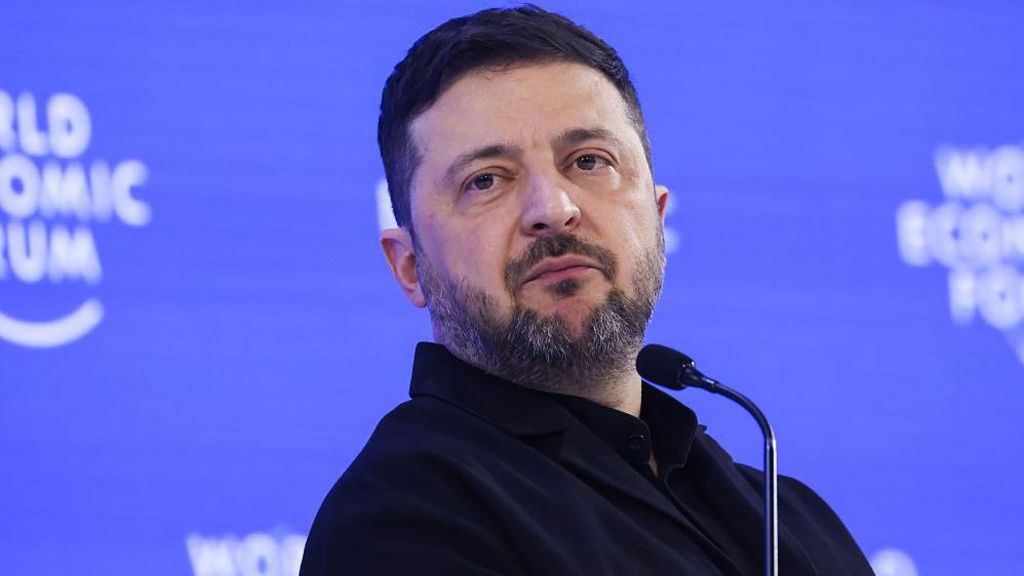
In a significant diplomatic development, representatives from Russia, Ukraine, and the United States are convening in Abu Dhabi for their first tripartite negotiations since Russia’s full-scale invasion of Ukraine in 2022. This meeting marks a new format in peace discussions, though fundamental disagreements between the parties remain largely unchanged.
Ukrainian President Volodymyr Zelensky has characterized his recent discussions with former US President Donald Trump in Davos as “really positive,” expressing hope for enhanced air defense support against Russia’s ongoing assaults. Despite this optimism, Zelensky maintains cautious realism regarding the Abu Dhabi talks, describing them merely as “a step” toward peace rather than a breakthrough.
The core obstacle to any potential agreement centers on territorial sovereignty in eastern Ukraine. Russia continues to demand control over substantial portions of the Donbas region—territory it has failed to secure militarily. Ukraine remains steadfast in its refusal to cede these lands, where countless soldiers have perished defending the nation’s integrity.
Concurrently, Russia has intensified attacks on Ukrainian civilian infrastructure, creating a humanitarian crisis during the harsh winter months. Kyiv’s mayor has advised residents to evacuate if possible, warning that critical infrastructure remains vulnerable to systematic bombardment.
The reliability of US security guarantees under a potential Trump administration presents another layer of uncertainty. Previous actions, including the temporary suspension of military aid and intelligence sharing, coupled with Trump’s unconventional approach to international alliances, have raised questions about America’s long-term commitment to Ukrainian sovereignty.
Despite these challenges, Ukraine approaches negotiations with determined pragmatism, recognizing that diplomatic engagement remains essential both for achieving peace and maintaining international support.