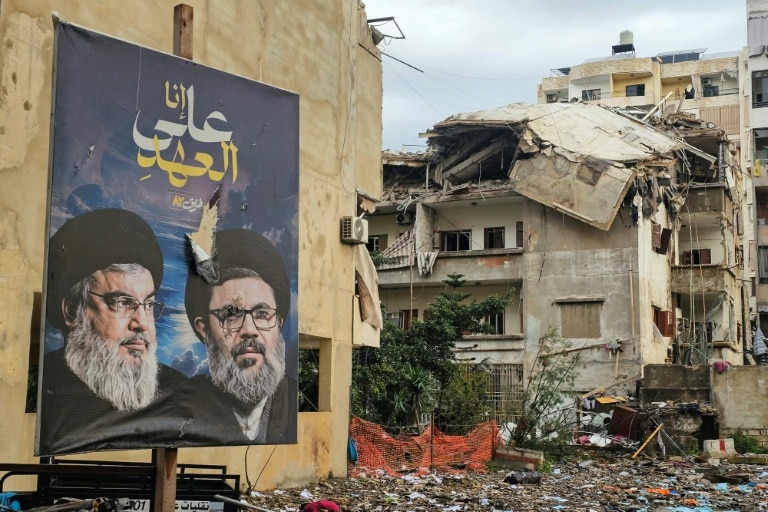
Lebanon’s Hezbollah movement finds itself locked in what its leadership describes as an existential confrontation with Israel—a conflict that analysts warn could potentially dismantle the Iranian-backed organization permanently. The escalation follows Hezbollah’s retaliatory strikes against Israel, initiated in response to the assassination of Iranian Supreme Leader Ayatollah Ali Khamenei in joint U.S.-Israeli operations.
The current hostilities mark a dramatic deterioration of the fragile 2024 ceasefire that had previously contained cross-border tensions. Israel has intensified its military campaign with sustained airstrikes, ground incursions into Lebanese territory, and mass evacuation orders affecting hundreds of thousands of civilians along the border region.
Hezbollah Deputy Secretary-General Naim Qassem characterized the struggle as fundamental to the organization’s survival, declaring, “This is an existential battle… we will not permit the enemy to achieve its objective of eliminating our presence.” An anonymous source within the group indicated Hezbollah had committed its full resources to the conflict, framing the outcome as binary: either the group’s destruction or Israel’s complete withdrawal from Lebanese territory.
The timing of Hezbollah’s escalation appears strategically linked to broader regional dynamics. According to internal sources, the organization had prepared for renewed conflict for months, awaiting a shift in the geopolitical landscape that materialized with expanded U.S.-Israeli operations against Iran.
Despite absorbing significant losses during the previous conflict—including approximately 500 casualties and substantial damage to its military infrastructure—Hezbollah has reconstituted its forces. Military expert Hassan Jouni observes that both sides perceive the current confrontation as decisive: “For Israel, this is the final battle against Hezbollah,” noting uniquely favorable conditions including supportive U.S. administration policies and Iran’s diminished regional influence.
The Lebanese government faces mounting domestic criticism over Hezbollah’s unilateral actions. President Joseph Aoun has accused the group of prioritizing “Iranian regime’s calculations” over national interests, while Beirut has formally prohibited Hezbollah’s military activities—a directive the organization has effectively ignored.
As diplomatic efforts stall, with Israel rejecting negotiation proposals and demanding Hezbollah’s disarmament, analysts like academic Ali Mourad suggest the group is fighting simultaneously on two fronts: for its survival in Lebanon and as an instrument of Iranian regional strategy. Mourad concludes pessimistically: “Hezbollah is finished as a regional power and as a strategic weapon for Iran… this war will not end in victory for the group.”