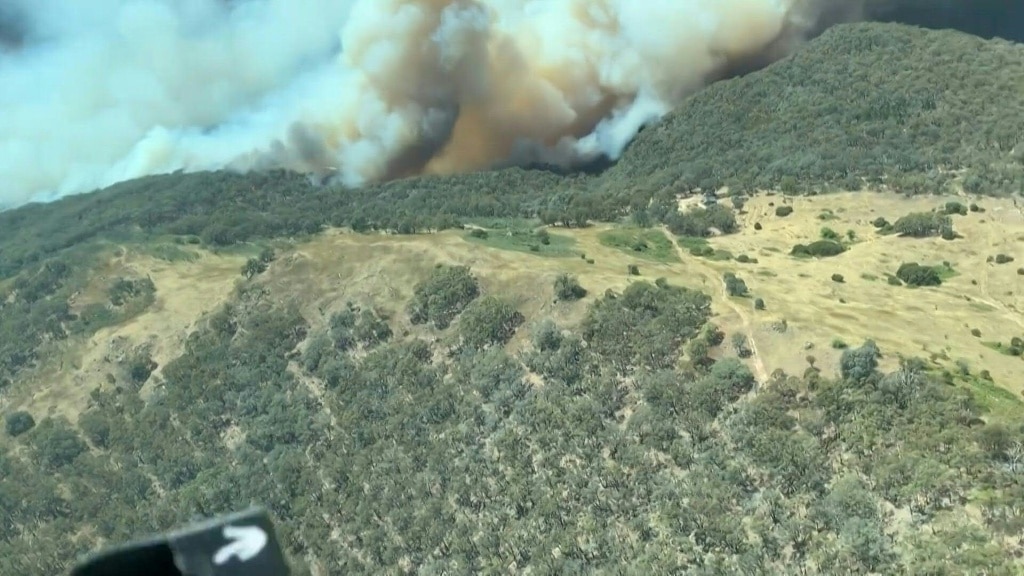
Australia’s southeastern regions are facing a severe bushfire crisis as extreme heatwave conditions create what officials describe as the most dangerous fire weather since the devastating 2019-2020 Black Summer blazes. Fire authorities have issued catastrophic danger warnings—the highest possible rating—for multiple areas across Victoria state, where approximately 30 separate fires are actively burning.
Emergency Management Commissioner Tim Wiebusch delivered urgent evacuation directives to residents in dozens of rural communities, stating unequivocally that failure to leave immediately could result in loss of life. The situation has been exacerbated by powerful wind gusts exceeding 100 kilometers per hour, which have temporarily grounded critical firefighting aircraft operations.
One particularly destructive blaze near the town of Longwood, approximately 150 kilometers north of Melbourne, has already consumed an estimated 28,000 hectares of land. Local fire captain George Noye reported complete devastation of properties, including the destruction of livelihoods, agricultural infrastructure, and livestock, though thankfully no fatalities have been confirmed thus far.
The extreme conditions have generated pyrocumulonimbus clouds—fire-induced thunderstorms—near the small community of Walwa, demonstrating the unprecedented intensity of these blazes. Victoria Premier Jacinta Allan emphasized the historic danger posed by the current situation, urging residents to prioritize evacuation over property protection.
This crisis occurs against the backdrop of Australia’s documented 1.51°C temperature increase since 1910, which climate researchers link to increasingly frequent extreme weather events. The current heatwave affects millions across Victoria and New South Wales, including major urban centers like Sydney and Melbourne, with temperatures forecast to exceed 40°C.
The devastating Black Summer fires of 2019-2020 serve as a grim reference point, during which millions of hectares burned, thousands of homes were destroyed, and cities were blanketed in hazardous smoke. Australia continues to be one of the world’s leading producers and exporters of coal and gas, fossil fuels identified as major contributors to global climate change.