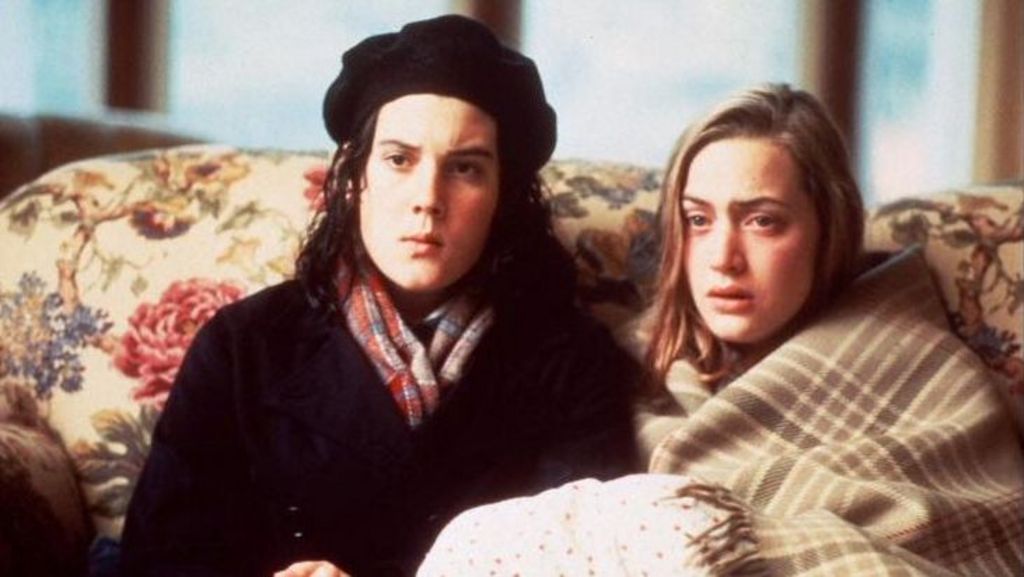
The recent passing of 88-year-old Hilary Nathan in a Burray, Orkney care home has drawn a quiet final curtain on one of the most sensational, widely discussed criminal cases of 20th century New Zealand. To her fellow island residents, Nathan was a soft-spoken, deeply pious local who operated a small equestrian riding stable, living a low-profile, unassuming life far removed from the global notoriety of her youth. Seven decades prior, under her birth name Pauline Parker, 16-year-old Nathan made international headlines when she and her inseparable Christchurch Girls’ High School classmate Juliet Hulme were convicted of the brutal premeditated murder of Parker’s mother, Honora Parker. The pair, fearing that Hulme’s parents’ upcoming divorce and planned relocation to South Africa would tear their intense, fantasy-fueled friendship apart, lured Honora to a local park and bludgeoned her to death using a brick stuffed inside a stocking. Though their defense team mounted an insanity plea, both teens were found guilty of murder, and escaped the death penalty solely due to their young age. They served five years in separate New Zealand prisons, before a court ordered their permanent release under new, legally assigned identities, with a formal ban on them ever meeting again, and permanent expulsion from the country. By the time iconic New Zealand filmmaker Sir Peter Jackson began developing his 1994 feature *Heavenly Creatures*, the two women had long vanished from public view, their whereabouts unknown to all but a tiny handful of officials. Jackson told BBC’s Late Show in 1995 that he deliberately avoided leaning into the lurid, tabloid-driven “evil schoolgirl killers” narrative that had dominated global media coverage of the case decades earlier, instead seeking to unpack the complex, deeply intimate bond between the two teens that led to the violent tragedy. The film, which launched the careers of then-newcomers Melanie Lynskey (cast as Parker) and Kate Winslet (cast as Hulme), depicted how the pair’s isolated, hyper-imaginative shared fantasy world gradually spiraled into fatal violence. When the film hit theaters, it outed Hulme, who had built a highly successful career as a best-selling crime novelist under the new name Anne Perry, residing in the remote Scottish village of Portmahomack. Perry openly refused to watch the film at the time, telling producers the experience would feel like being publicly stripped naked for crowds to scrutinize, and expressed deep fear that the media frenzy surrounding the movie would endanger the privacy and safety of her family members who still lived in the small Highland community. Winslet, for her part, publicly pleaded for the public to respect Parker’s continued anonymity, noting the two women had spent 40 years working tirelessly to rebuild stable, peaceful lives after their release. Parker managed to stay out of the public eye until 2011, when true crime author and lawyer Peter Graham tracked her down while researching his case study *So Brilliantly Clever*, titled after excerpts from Parker’s diary that had been used as key evidence during the 1954 trial. By that point, now going by Hilary Nathan, she had first settled in rural Kent running a riding school, before relocating to Orkney to run a second stable, leading a reclusive, devout Catholic life within her tight-knit island community. Remarkably, for decades after their release, the two women lived only roughly 80 miles apart across northern Scotland, despite the official court order barring them from contact. Perry, a practicing Mormon whose crime fiction catalogue eventually sold more than 15 million copies worldwide, wove the raw, lived experiences of her youth into her work: her beloved amnesiac detective character William Monk, who grapples with uncertainty over his own identity and public perceptions of his moral character, was directly inspired by Perry’s decades-long struggle to outrun the public label of “monster” that followed her after the trial. She shared in a rare 2001 Newsnight Scotland interview that her past had instilled in her a profound sense of compassion for people who have committed harmful acts, and a lifelong preoccupation with questions of morality, forgiveness and second chances. Perry died in Los Angeles in 2023 at the age of 84, and Nathan’s recent passing brings the full, 70-year saga of the two women to a definitive close, a story defined both by unspeakable youthful violence and two separate, quiet journeys of redemption, reinvention and finding refuge in small, tight-knit communities. In her 2001 interview, Perry offered a quiet message of hope for anyone carrying the weight of past shame: “There’s more forgiveness, understanding and help out there than you might think.”