Hainan Free Trade Port (FTP) has demonstrated remarkable progress in its initial operational phase, achieving substantial growth in foreign investment, duty-free imports, and international tourism. Governor Liu Xiaoming, speaking during the Two Sessions meetings, characterized the island-wide special customs operations launched December 18 as a transformative milestone in China’s economic liberalization agenda.
The customs framework has triggered significant tariff reforms, expanding zero-tariff coverage from 21% to 74% of all tariff items. Imported goods undergoing at least 30% value-added processing in Hainan now enjoy tariff-free access to mainland China. During the recent Spring Festival holiday period, zero-tariff imports reached approximately 48.6 million yuan ($7.03 million), generating duty savings of 9.42 million yuan. Overall import-export values through local customs ports grew 9% year-on-year in the first two months of operation.
International enterprises have responded positively to these developments. Siemens Energy (Germany), Mayoly (France), and Singapore’s Fullerton Health Group have established significant operations, with the latter opening Hainan’s first wholly foreign-owned hospital. The province recorded a 45.6% increase in new foreign-invested enterprises during the initial operational period.
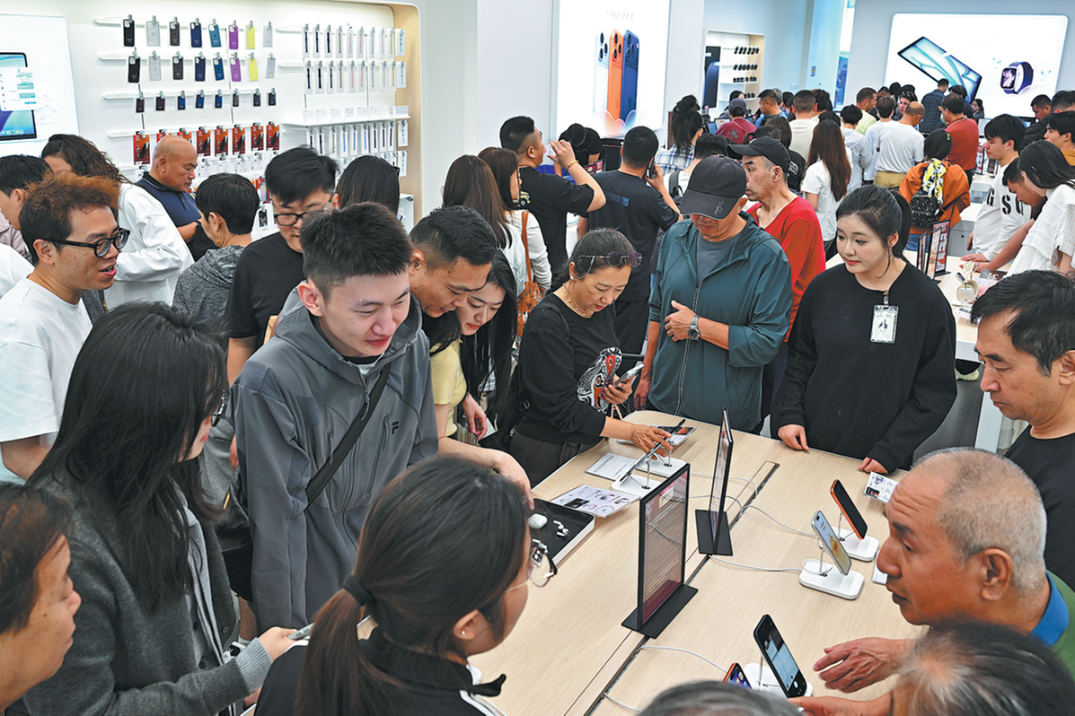
Tourism metrics reflect similarly impressive growth, with 557,700 international transits recorded in the first two months. Visa-free foreign nationals accounted for 141,000 of these arrivals, representing a 62.2% year-on-year increase. Duty-free retail has emerged as a major economic driver, with five new daily consumer goods stores attracting 465,000 visitors within their first two weeks of operation. Offshore duty-free sales during the Spring Festival holiday surged 30.8% alongside a 35.4% increase in shoppers.
Governor Liu outlined Hainan’s strategic vision to deepen institutional alignment with international frameworks including the Regional Comprehensive Economic Partnership (RCEP) and high-standard trade agreements. The province will optimize port layouts, shorten negative lists for cross-border service trade, and implement coordinated market access systems for domestic and foreign capital. Additional measures include expanding visa-free country lists, enhancing data export management protocols, and leveraging multi-function free trade accounts.
Positioned within four hours flight time of 21 countries representing 47% of the global population, Hainan aims to become a strategic hub within China’s dual-circulation development paradigm. The province has already established economic partnerships with 41 international free trade zones and attracted investment from 180 countries and regions.
Industrial development priorities focus on five key sectors: seed breeding technology, marine industries (targeting 40% of provincial GDP), commercial space launches (60 annual launches planned), green technology development, and cross-border e-commerce enabled by advanced data flow policies. These initiatives collectively position Hainan FTP as an emerging platform for global economic integration and innovation.