Ecuador faces escalating narco-violence as armed assailants disguised in military uniforms carried out a deadly assault on a coastal property in Manabí province, leaving at least seven civilians dead. The early morning attack marks the latest episode in a surge of drug-related killings that has transformed the South American nation into one of the region’s most violent territories.
According to police reports, approximately twelve attackers stormed the seaside compound and executed victims with multiple gunshots, including three adult brothers among the deceased. This brutality reflects the intensifying conflict between international drug cartels and local criminal factions battling for control of strategic cocaine trafficking routes toward United States markets.
Statistical evidence reveals an alarming trajectory: Ecuador’s homicide rate has multiplied fivefold since 2020, reaching unprecedented levels with approximately 50 murders per 100,000 residents in 2023. Official data indicates over 9,000 homicides recorded last year, with coastal provinces Guayas, Manabí, and Esmeraldas emerging as epicenters of cartel-related violence.
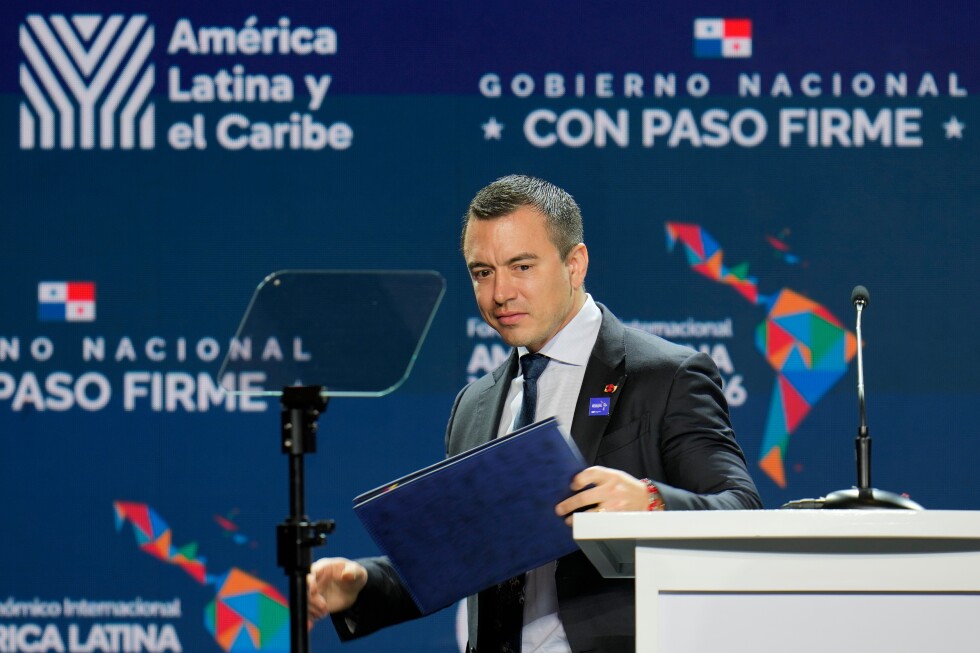
President Daniel Noboa’s administration has responded with extraordinary measures, declaring a state of emergency across seven provinces that grants security forces warrantless search authority and militarizes urban patrols. The government has additionally accused Colombian authorities of insufficient border control, alleging that rebel groups and traffickers operating along the shared frontier have exacerbated Ecuador’s security crisis. These allegations have triggered diplomatic tensions and cross-border trade restrictions between the neighboring nations.