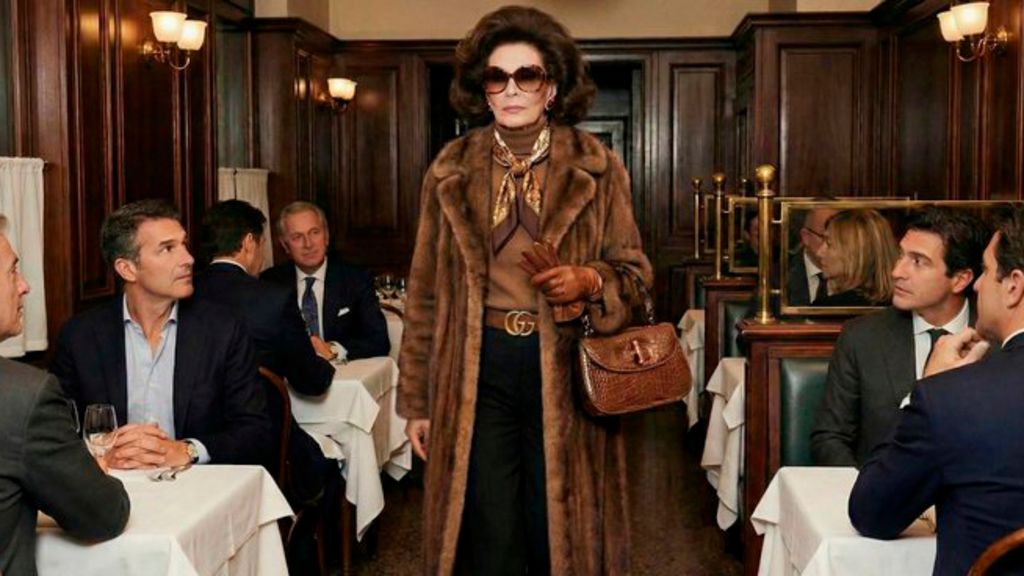
Italian luxury fashion house Gucci has ignited significant controversy by deploying artificial intelligence to create promotional imagery for its upcoming Milan Fashion Week presentation. The AI-generated visuals, prominently featured across social media platforms, have drawn sharp criticism from users questioning the alignment between this technological approach and the brand’s celebrated commitment to ‘creativity and Italian craftsmanship.’
One particularly discussed image features a glamorous older Italian woman adorned in classic 1976 Gucci attire, which prompted sarcastic commentary about the company’s apparent inability to source authentic human models. While clearly labeled as ‘created with AI,’ detractors have categorized these visuals as representative of ‘AI slop’—a term describing the flood of often low-quality synthetic content proliferating across digital platforms.
The controversy emerges as Creative Director Demna Gvasalia prepares to unveil his latest vision on Friday’s runway. This incident marks neither Gucci’s inaugural venture into AI integration nor the industry’s broader exploration of generative technology. The Kering-owned brand previously commissioned digital artists to produce AI-generated content auctioned as NFTs through Christie’s, and released an AI-generated video last December depicting photographers literally falling over themselves to capture a model.
Industry peers including Valentino and H&M have similarly experimented with AI tools, frequently framing these endeavors as creative exercises. However, Dr. Priscilla Chan, senior lecturer at Manchester Metropolitan University’s Fashion Institute, cautions that luxury brands risk significant reputational damage when implementing such technologies. While previous digital innovations often generated positive publicity, Dr. Chan notes AI currently carries heightened potential for negative backlash.
Not all feedback has been critical, with some observers praising Gucci’s preservation of ‘Milano glam’ essence. Professional photographer Tati Bruening (known online as illumitati) offered nuanced perspective, suggesting limited, non-invasive AI applications—such as retouching or mood board creation—might coexist with traditional creative processes. Bruening alternatively proposed that Gucci might be intentionally provoking discourse about luxury’s definition in the AI era, potentially positioning the campaign as parody rather than pure marketing.