CHICAGO—A transformative initiative bridging American youth and Chinese culture is demonstrating remarkable progress, with over 39,000 young Americans having visited China through the Young Envoys Scholarships (YES) program as of October. The program represents a significant component of President Xi Jinping’s 2023 commitment to welcome 50,000 American students for cultural and educational exchanges within a five-year timeframe.
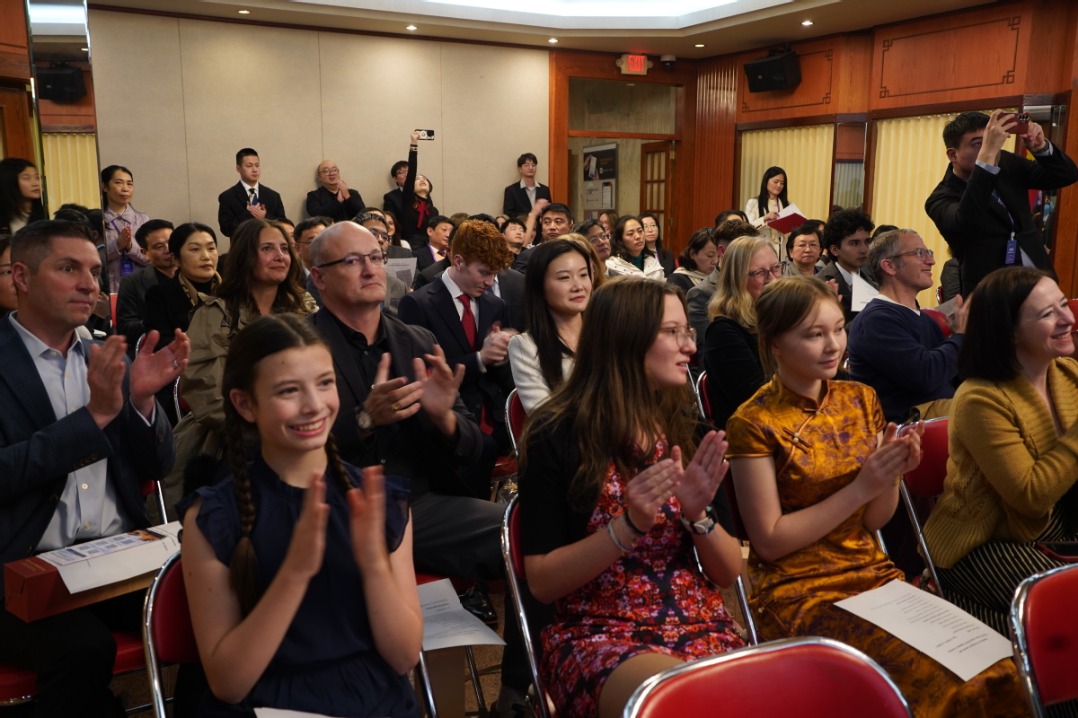
The Chinese Consulate in Chicago recently celebrated these achievements by hosting young American writers and international educators. The event marked both the publication of “East Meets West: 100 American Secondary School Students’ Tales About China” and the signing of multiple memoranda of understanding between Chinese and American educational institutions.
Personal testimonies from participants reveal profound impacts. Lily Rabb, an 18-year-old who began studying Chinese at age three, described her experience as transformative. “You really need to witness the spectacular beauty of the country to fully feel immersed,” Rabb shared. “I felt so welcomed by the Chinese people.” Her journey culminated in a newfound aspiration to pursue international relations and potentially reside in Shanghai.
The program’s philosophical foundation echoes ancient Chinese wisdom. Zoey Cardamone found inspiration in the proverbs “reading 10,000 books is not as useful as traveling 10,000 miles” and “a journey of 1,000 miles begins with a single step.” Her cultural immersion included encountering distinctive culinary traditions, such as whole chicken presentations symbolizing completeness and good fortune—a practice contrasting with American customs.
Chicago Consul General Wang Baodong emphasized the strategic importance of these exchanges: “The future of China-US relations lies in our young people.” He noted emerging cultural connectors including pickleball, the video game ‘Black Myth: Wukong,’ and Labubu figurines that resonate across both cultures.
The initiative continues expanding through the newly launched YES Friends Club, which facilitates ongoing connection through essay collections, video projects, and cultural-sporting events. Educational leaders like Roderick Shaw of the Intercultural Montessori Language School see profound implications: “Education builds bridges, and that is the secret of schools collaborating together. That is what’s going to bring better peace in this world.”