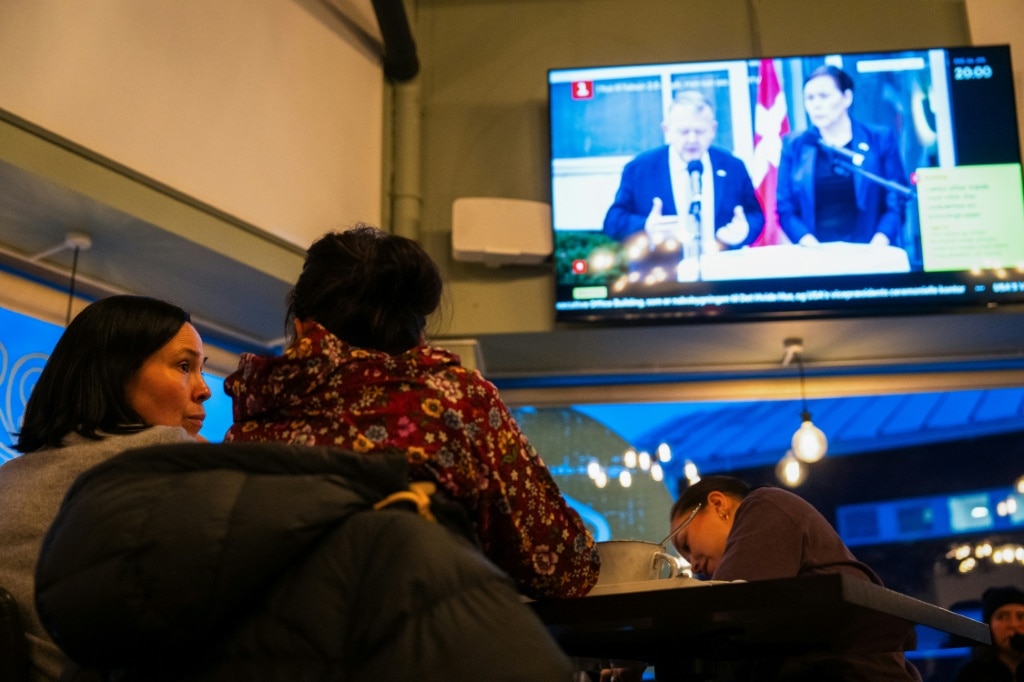
The geopolitical spotlight intensified on Greenland this week as high-level diplomatic discussions unfolded at the White House, revealing complex tensions between Arctic sovereignty and American strategic interests. Following President Donald Trump’s repeated remarks about potentially acquiring the autonomous Danish territory, foreign ministers from both Denmark and Greenland engaged in critical talks with Vice President JD Vance and Secretary of State Marco Rubio.
The meeting, described by participants as an effort to clarify ‘misunderstandings,’ left Greenland’s 57,000 residents experiencing a spectrum of emotions from profound anxiety to cautious optimism. In the capital city of Nuuk, the national flag appeared ubiquitously—displayed in shop windows, apartment balconies, and vehicles—as a powerful symbol of unity during the diplomatic proceedings.
Danish Foreign Minister Lars Lokke Rasmussen acknowledged ‘fundamental disagreement’ with Washington regarding the Arctic territory’s future, while President Trump maintained optimistic about reaching some form of understanding. The political tension manifested commercially as well, with nationalist merchandise including ‘Greenland is not for sale’ t-shirts selling rapidly throughout local shops.
Personal accounts captured the emotional impact of these geopolitical maneuvers. Vera Stidsen, a 51-year-old educator, expressed apprehension about the sudden international attention: ‘It’s very frightening because it’s such a big thing. I hope we can continue living peacefully without disturbance.’ Conversely, Ivaana Egede Larsen, 43, reported feeling measurable relief after watching press conference coverage, noting how Trump’s ‘direct, aggressive rhetoric’ had created widespread unease among citizens.
The discussions highlighted Greenland’s strategic importance in Arctic resource development and shipping routes, bringing unprecedented attention to the island’s autonomous governance under Danish sovereignty. While no agreements emerged from the meeting, residents like Frederik Henningsen, 64, maintained hope for peaceful resolution: ‘They didn’t make an agreement but I want to live in peace.’