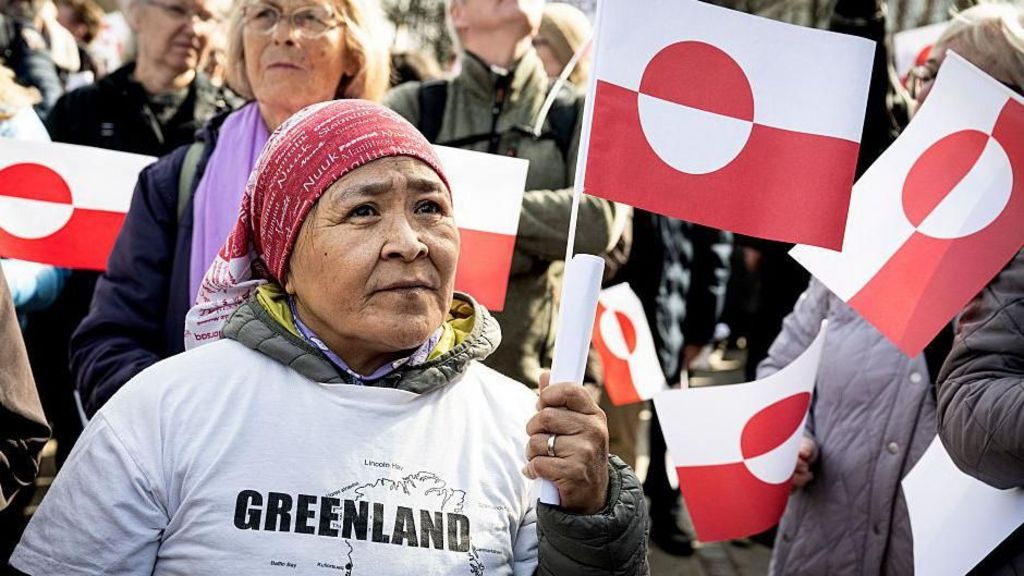
The geopolitical spotlight intensifies on Greenland as US Secretary of State Marco Rubio prepares for critical talks with Danish and Greenlandic officials regarding the territory’s future. This diplomatic engagement follows President Donald Trump’s expressed interest in acquiring the semi-autonomous Danish territory for national security purposes, causing considerable unease among Greenland’s 57,000 predominantly Inuit residents.
Despite Greenland’s serene Arctic landscape of ice-capped mountains and glittering fjords, the capital city of Nuuk reveals underlying tensions. Residents express profound concern about potential US intervention, with one pensioner emphatically stating that the American flag must never fly over Greenland. Many citizens, still grappling with the trauma of Danish colonization, now fear forced assimilation into American sovereignty.
Pilu Chemnitz, a local pottery-maker, encapsulates the prevailing sentiment: “We have always lived a quiet and peaceful life here. We just want to be left alone.” This desire for autonomy extends beyond resisting US acquisition—85% of Greenlanders oppose American takeover—to include growing aspirations for complete independence from Denmark, despite appreciating Danish subsidies that support their welfare state.
Parliament member Pipaluk Lynge-Rasmussen of the pro-independence Inuit Ataqatigiit party emphasizes the importance of Greenlanders determining their own destiny. She criticizes global powers, including Denmark, for discussing Greenland’s fate without meaningful engagement with its people. Surprisingly, she attributes more responsibility to Denmark than to Trump for overlooking Greenlandic interests, noting that Greenland and the Faroe Islands have historically been treated as “second-class citizens” within the Danish Kingdom.
The US strategic interest stems from multiple factors: perceived national security concerns regarding Russian and Chinese activities in the Arctic, desire for Greenland’s untapped natural resources including rare earth minerals, and Trump’s proclaimed objective to dominate the Americas. Geographically, Greenland belongs to North America, lying closer to New York than to Copenhagen by approximately 1,000 miles.
Current US-Denmark agreements already permit extensive American military presence in Greenland, though the US substantially reduced its forces from Cold War peaks of 10,000 personnel to approximately 200 today. The Trump administration proposes enhancing military infrastructure through its “Golden Dome” missile defense system and potentially establishing surveillance capabilities in the GIUK Gap (Greenland-Iceland-UK passage).
Opposition MP Pele Broberg advocates for pragmatic engagement: “We are not for sale—but we are open for business.” He highlights the economic paradox of importing goods from Denmark 4,000km away rather than from closer North American sources.
The situation reflects broader Arctic tensions, with Russia and China expanding military cooperation and developing new shipping routes through melting ice passages. NATO allies, including the UK under Prime Minister Keir Starmer, seek to reassure Washington of their commitment to regional security while attempting to dissuade unilateral action.
The upcoming negotiations will test whether diplomatic solutions can prevail over military posturing, with Greenlanders hoping to leverage international attention to advance their priorities rather than become victims of great power competition.