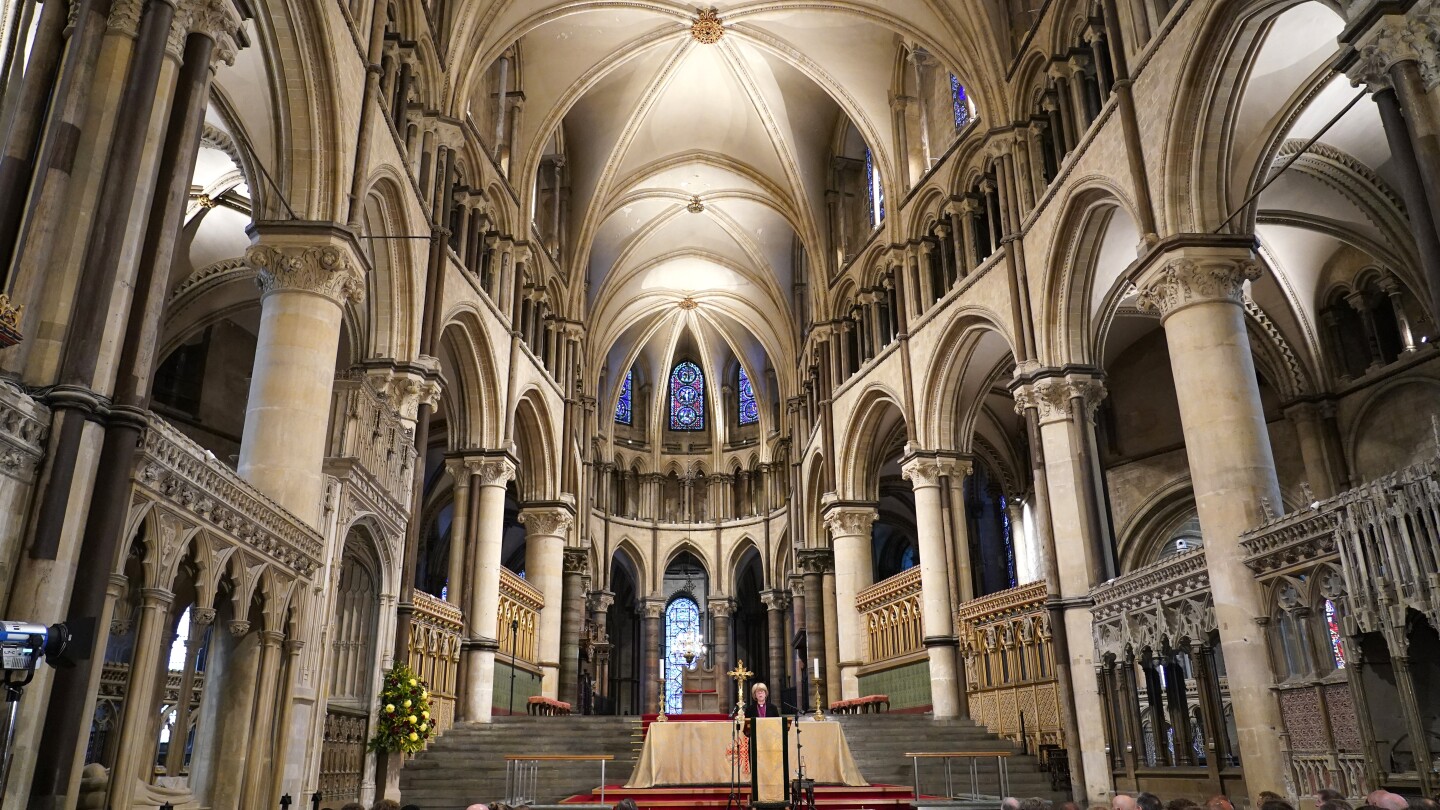
The Anglican Communion, one of the world’s largest Protestant church families, faces a historic schism as conservative leaders within the Global Anglican Future Conference (Gafcon) call for a complete break from the traditional structure. This move follows decades of escalating tensions over issues of sexuality, theology, and leadership. The announcement came shortly after the appointment of Bishop Sarah Mullally as the first female Archbishop of Canterbury, a decision hailed as groundbreaking in Western nations but criticized by Gafcon and other conservative bishops. Gafcon’s leaders, including Archbishop Laurent Mbanda of Rwanda, declared the need for a “reordered” Anglican Communion, rejecting the historical authority of the Archbishop of Canterbury and proposing a new council of top bishops to oversee a restructured global body. While some African provinces, such as Nigeria and Uganda, have endorsed the plan, others remain silent, leaving the scale of the potential breakaway uncertain. The schism reflects deep divisions over LGBTQ+ inclusivity, with conservatives opposing same-sex unions and liberal trends in Western churches. The Anglican Communion, which spans 165 countries and 85 million members, now faces a pivotal moment as it navigates these profound theological and structural challenges.
Global Anglican ties are under stress. It’s unclear if they’re at the breaking point