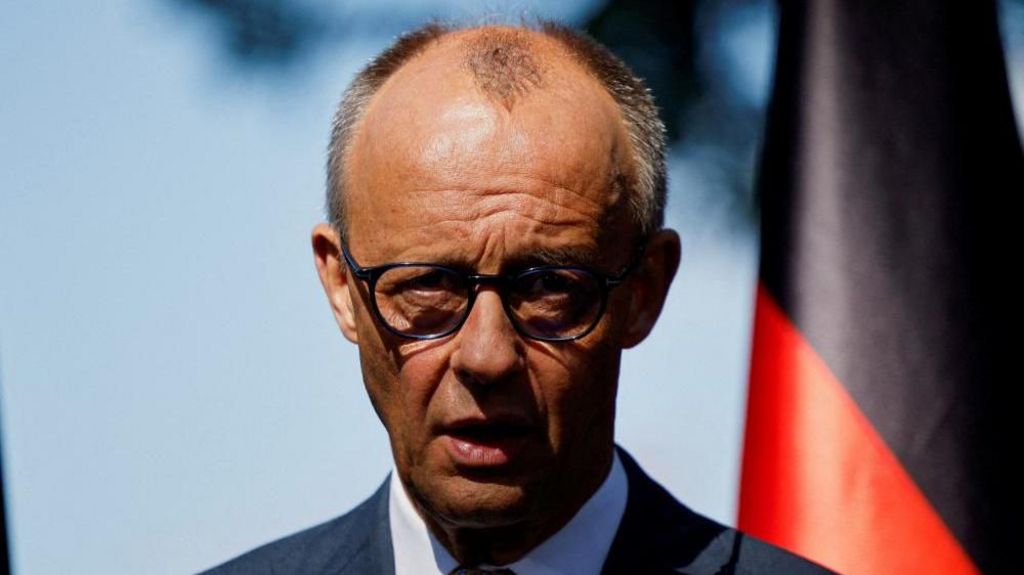
A heated political conflict has erupted across Germany after the newly formed coalition government under Chancellor Friedrich Merz unveiled sweeping revisions to national sick leave regulations. The most controversial amendment requires workers to submit a signed doctor’s note confirming illness to their employers starting on the very first day of absence, ending a COVID-19 pandemic-era policy that allowed workers to obtain medical certification remotely via phone call.
Chancellor Merz, leader of the conservative Christian Democratic Union (CDU), has openly defended the reforms, arguing that Germany’s current rate of employee sick days is unacceptably high and creates a crippling competitive disadvantage for Europe’s largest economy. “We cannot continue to shoulder the economic burden of exorbitant work absences that have persisted since the pandemic,” Merz stated in an interview with public broadcaster ARD on Thursday evening. He emphasized the change represents a return to pre-pandemic protocols, while noting individual private companies retain flexibility to negotiate alternative arrangements with their staff. The policy was formally approved as a joint agreement between Merz’s CDU and coalition partner the center-left Social Democrats (SPD).
Prior to the change, German workers were only mandated to provide a medical certificate for absences exceeding three consecutive days, with employers holding the right to request documentation earlier in specific cases. The new rule is part of a broader package of tax, labor and pension reforms crafted by the coalition to reverse years of stagnant economic growth in Germany.
Critics, however, have launched fierce pushback against the mandate, with leading national medical organizations leading the charge. The National Association of Statutory Health Insurance Physicians (KBV) dismissed the policy as “bordering on madness,” arguing it will force thousands of people with mild contagious illnesses to crowd into already overstretched doctor’s waiting rooms just to complete routine certification forms. “A patient with a bad cough or gastrointestinal infection should be recovering in bed, not exposing other vulnerable patients to illness in a packed practice,” the KBV said in an official statement. The German Association of General Practitioners echoed this warning, noting that mild cases requiring just one or two days of rest will clog up care access for patients with more serious medical needs.
Internal divisions have also emerged within the ruling coalition over the controversial reform. Vice-Chancellor Lars Klingbeil, leader of the SPD, has sought to de-escalate tensions, telling broadcaster RTL that the government is committed to finding a “workable, sensible solution” to implement the framework agreed by the coalition committee. Labor Minister Bärbel Bas, a senior SPD member, also distanced herself from the first-day mandate, confirming she will launch a formal review of the policy’s effectiveness. “This was not my proposal,” Bas told RTL. “We will examine whether the rule actually delivers the intended outcomes, or if it simply creates unnecessary hardship for workers and medical providers.”
Despite the backlash, senior CDU figures have stood firmly behind the reform. Jens Spahn, head of the CDU’s parliamentary group, noted that Germany maintains one of the highest average sick day rates among all European Union member states, at roughly 18 days per employee annually. Spahn stressed that the change does not restrict access to sick leave for genuinely unwell workers, who will still be fully permitted to take time off to recover.
German row over plan for workers to need sick note on first day of illness