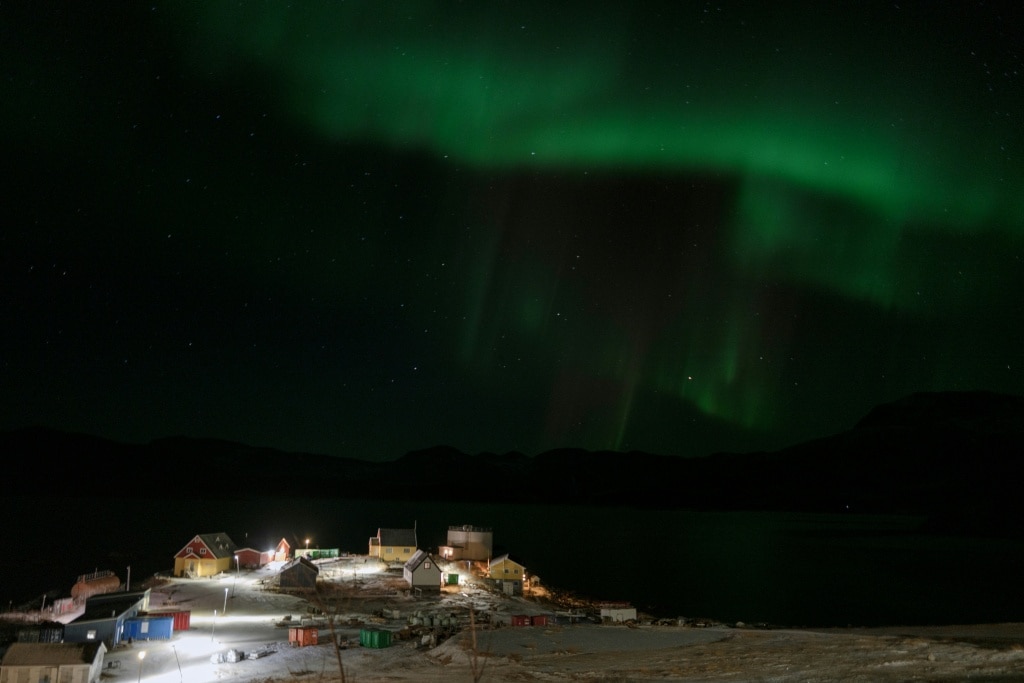
In the remote Greenlandic settlement of Kapisillit, a community of approximately 30 residents finds itself at the epicenter of escalating geopolitical tensions that threaten their vital communication infrastructure. The village, accessible only by boat and dependent on hunting and fishing, has become increasingly concerned about potential isolation amid renewed U.S. territorial ambitions toward the Danish autonomous territory.
Since President Donald Trump’s return to the White House in 2025, repeated assertions regarding U.S. national security interests in Greenland have left remote communities vulnerable. While threats have recently diminished, the psychological impact persists among residents who rely on a precarious telecommunications network for emergency services, education, and maintaining familial connections.
Greenland’s connectivity predicament represents what experts identify as the Arctic’s most vulnerable digital infrastructure. The territory currently depends on two aging subsea fiber optic cables linking to Canada and Iceland, supplemented by satellite coverage in northern and eastern regions. A simultaneous cable failure—as occurred in 2019—could isolate communities for months, creating potentially life-threatening situations.
In Kapisillit, the reality of this fragility is daily experienced. Teacher Vanilla Mathiassen, 64, demonstrates how network instability disrupts education, while village chief Heidi Nolso emphasizes the critical need for reliable emergency communications. The settlement’s medical evacuation capabilities entirely depend on connectivity, with cardiac incidents representing particularly dire scenarios when communications fail.
The geopolitical dimension has intensified these challenges. Researcher Michael Delaunay notes that Greenland anticipates increased targeting of its networks as the Arctic transforms into a conflict zone. In response to mounting tensions, Nuuk secured funding from Copenhagen in October 2025 for a third undersea cable, while consciously selecting European operator Eutelsat over SpaceX’s Starlink due to concerns about U.S. interference.
Social dynamics further complicate the situation. Facebook and Messenger have become essential tools for community organization and political discourse, creating what experts describe as an “invaluable treasure trove of intelligence” for foreign actors. This vulnerability is exacerbated by limited digital literacy and an increasing proliferation of fake accounts polarizing public debate.
Beyond immediate geopolitical concerns, deeper social issues emerge. Greenland suffers from one of the world’s highest suicide rates, exacerbated by the 1970s rural exodus that shattered traditional social structures. Maintaining connections has become both psychologically essential and financially burdensome, with internet subscriptions costing approximately $173 monthly—prohibitively expensive for many elderly residents living on pensions.
Through it all, Greenlanders demonstrate remarkable resilience. As Chief Nolso observes, “Greenlanders are patient people.” Should complete isolation occur, she notes, “they’ll just return to nature”—a testament to the enduring connection between the people and their environment that predates all technological and political challenges.