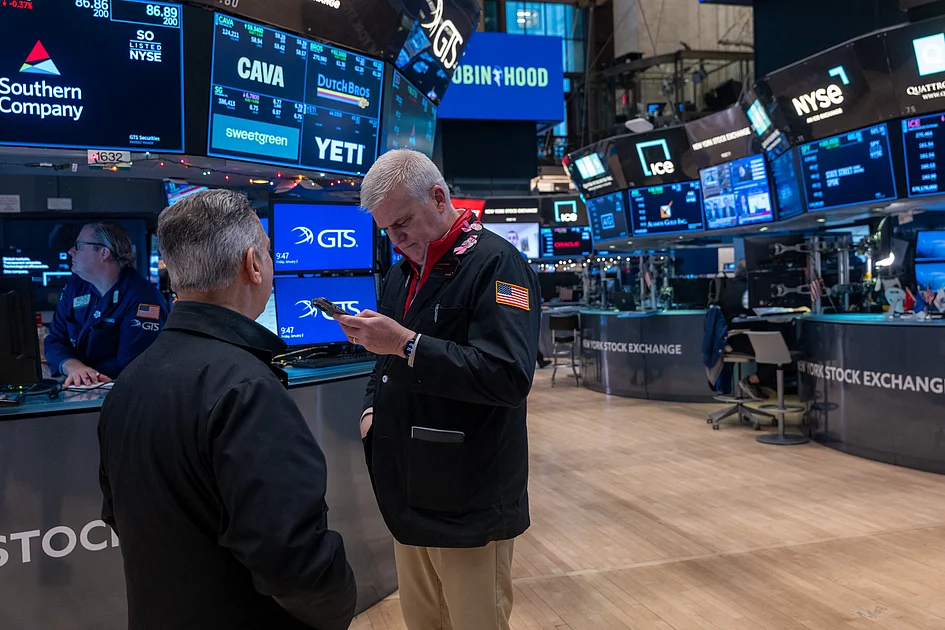
Financial markets experienced significant turbulence as geopolitical tensions surrounding Greenland and potential tariff impositions by the Trump administration rattled investor confidence globally. The volatility emerged following President Donald Trump’s threats to reignite trade conflicts with Europe, specifically tied to U.S. ambitions regarding Greenland’s strategic acquisition.
The market reaction on Tuesday was pronounced across multiple asset classes: equity markets declined substantially, with the S&P 500 recording its most severe single-day drop in over three months at 2.1%. Simultaneously, long-dated U.S. Treasuries and the dollar faced selling pressure, while volatility measures spiked across trading platforms.
Investment strategists noted the concerning absence of traditional dip-buyers despite the market decline. Jack Ablin of Cresset Capital observed that unlike previous selloffs triggered by tariff announcements, investors appeared more cautious about immediate re-entry positions. The situation evoked memories of last year’s ‘Liberation Day’ tariff announcement that previously triggered the ‘Sell America’ trade pattern, where international investors reduced exposure to U.S. assets.
Market professionals expressed particular concern about the simultaneous decline across typically inversely correlated assets. Lauren Goodwin of New York Life Investments highlighted how the coordinated movement challenged conventional portfolio assumptions and risk management strategies.
Despite the volatility, underlying fundamentals remain robust. Corporate earnings projections indicate continued strength, with S&P 500 companies expected to deliver 13.3% growth for 2025 and an additional 15.5% in 2026 according to LSEG IBES data. However, analysts caution that foreign capital flows could diminish if geopolitical tensions persist, potentially dampening market performance regardless of fundamental strength.
Investors are monitoring for potential de-escalation, with many recalling Trump’s historical pattern of aggressive positioning followed by negotiation—a phenomenon Wall Street traders have acronymed ‘TACO’ (Trump Always Chickens Out). This expectation of eventual compromise has prevented more severe capital flight, though market participants remain prepared for defensive positioning should tensions escalate further.