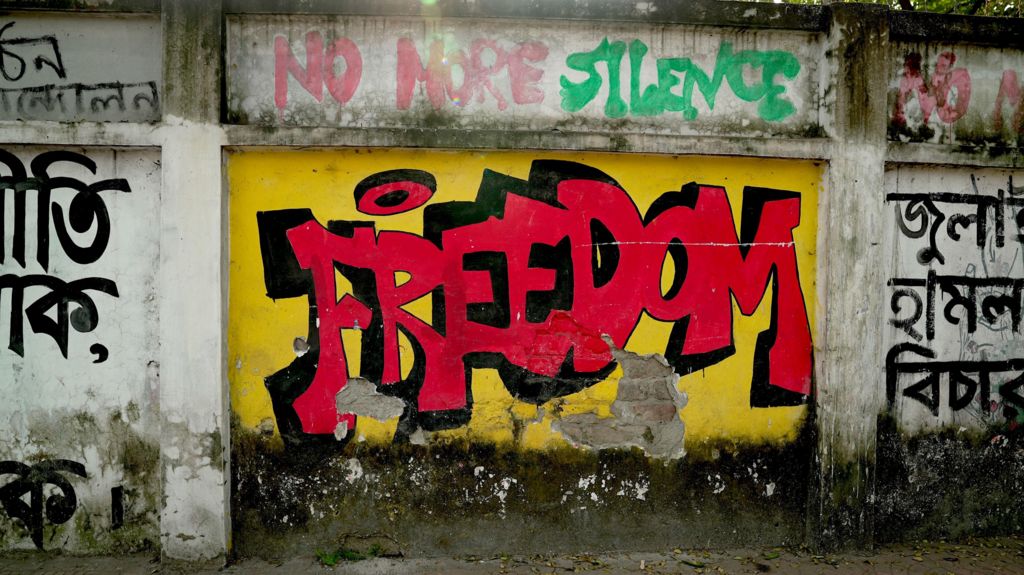
Dhaka’s streets, once vibrant with revolutionary graffiti celebrating Sheikh Hasina’s ousting, now witness a complex political realignment as Bangladesh approaches pivotal elections. The 2024 youth uprising that claimed approximately 1,400 lives according to UN estimates has evolved into a fragmented political landscape, where idealistic student leaders navigate uncomfortable alliances and enduring dynastic politics.
The movement’s catalyst emerged from police brutality during July 2024 protests, captured in viral footage showing Rahat Hossain desperately dragging his fatally wounded friend Emam Hasan Taim Bhuiyan amid continued gunfire. This visceral moment galvanized nationwide demonstrations that ultimately toppled Hasina’s 15-year administration, which had increasingly employed authoritarian measures despite overseeing economic progress.
Two years later, the student-led National Citizen Party (NCP) faces severe challenges. Despite initial expectations that uprising leaders would shape Bangladesh’s future, the party has fractured notably through its alliance with Jamaat-e-Islami, an Islamist group historically accused of collaborating with Pakistani forces during the 1971 independence war. This pragmatic coalition has particularly alienated female activists like Shima Akhter, who notes women are being systematically sidelined despite their crucial role in the revolution.
Jamaat’s political resurgence signals remarkable shifts in Bangladesh’s political consciousness. The party secured control of Dhaka University’s student union for the first time since independence, indicating younger voters increasingly separate the organization from its controversial history. Party leader Shafiqur Rahman emphasizes commitments to end corruption and restore judicial independence, though these promises face skepticism in a nation with entrenched corruption challenges.
The political vacuum created by Hasina’s exile and the Awami League’s banning primarily benefits the Bangladesh Nationalist Party (BNP), which has rebranded as a liberal democratic force under Tarique Rahman’s leadership. Ironically, this represents a return to dynastic politics—Tarique is son of former Prime Minister Khaleda Zia, who herself assumed power after her presidential husband’s assassination.
As elections approach, fundamental questions persist about whether the bloodshed produced meaningful change. Hossain reflects near the site where his friend was killed: “One cannot expect mangoes from a tamarind tree,” suggesting true transformation requires elected government reform rather than revolutionary idealism alone. With many awaiting justice for police violence and women demanding equal political representation, Bangladesh’s democratic future remains uncertain amid resurgent establishment forces.