KATHMANDU, Nepal — What began as a day of promise for 22-year-old Mukesh Awasti transformed into permanent sacrifice when he joined Nepal’s youth uprising against systemic corruption. Instead of boarding a flight to Australia to pursue civil engineering studies last September, Awasti now lies in a Kathmandu hospital bed, his leg amputated after being shot by security forces during violent demonstrations.
The September protests, spearheaded by Nepal’s ‘Gen Z’ activists, resulted in 76 fatalities and over 2,300 injuries before achieving their immediate objective: the appointment of Sushila Karki as Nepal’s first female prime minister on September 12. The retired Supreme Court justice pledged to conduct fresh parliamentary elections by March and address systemic corruption.
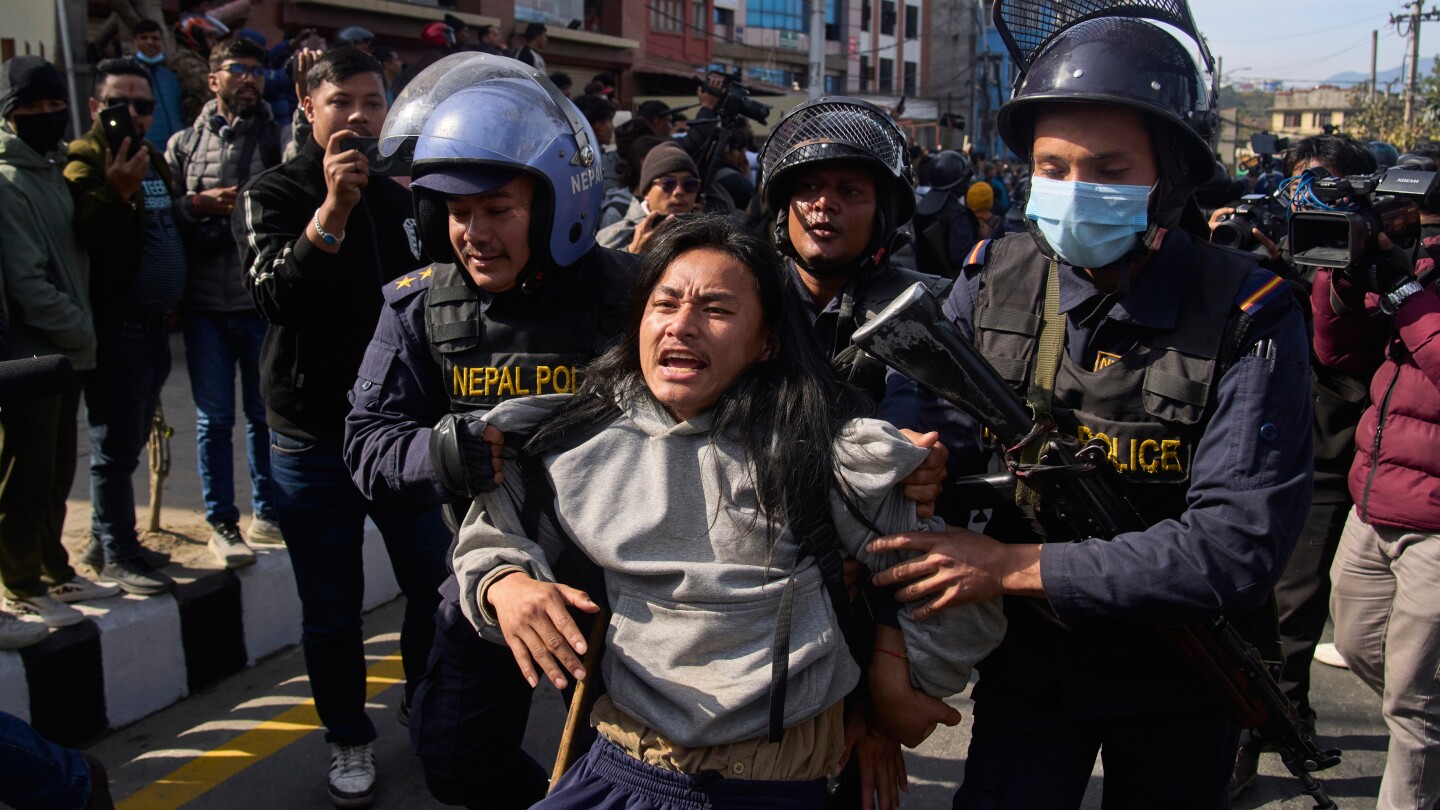
Three months later, mounting disillusionment grips the protest movement as the interim government faces criticism for failing to deliver meaningful reforms. Dozens of demonstrators, including those injured in September’s clashes, have returned to the streets expressing frustration over unfulfilled promises.
“I regret my decision to participate because the new government we brought to power has achieved nothing,” Awasti stated from his hospital bed. “Corruption continues unchecked, and those responsible for opening fire on demonstrators remain free.”
The government’s anti-corruption agency has filed just one significant case that excludes key political figures. Politicians accused of corruption are preparing to contest upcoming elections, with no legal action taken against former leaders in power during September’s violence.
Suman Bohara, who walks with crutches due to a shattered right foot, articulated the collective frustration: “We returned to the streets because the government failed its promises. Many families lost loved ones, many were injured, but what has the government done? Nothing.”
The original protests erupted on September 8 against widespread corruption, limited opportunities, unemployment, and poor governance—triggered initially by a social media ban. Demonstrators broke through police barricades attempting to enter parliament, meeting lethal force from security personnel. The movement rapidly spread nationwide, with angry mobs burning government offices and politicians’ homes, forcing leaders to flee via military helicopters.
Analysts note the movement’s lack of clarity continues to hinder progress. Abeeral Thapa, principal of Polygon College of Journalism and Mass Communications in Kathmandu, observed: “The confusion stems from unclear demands among Gen Z groups. The protests began targeting corruption and social media restrictions but ultimately collapsed the government—like hunting deer but killing a tiger.”
Divergent demands now emerge from various youth factions: some seek direct prime ministerial elections and constitutional overhaul, others demand immediate corruption prosecutions, while some support March elections to bring reform-minded lawmakers. The interim government’s limited mandate—primarily to conduct elections—restricts its ability to address all protester demands.
Prime Minister Karki maintains her administration will deliver March 5 elections: “The world anticipates peaceful transition through elections. Our preparations are nearly complete, and security conditions have significantly improved.”
Yet skepticism persists regarding whether elections will occur and whether they can address the systemic issues that sparked September’s uprising, leaving Nepal’s political future uncertain and its youth activists confronting the gap between revolutionary aspirations and political reality.