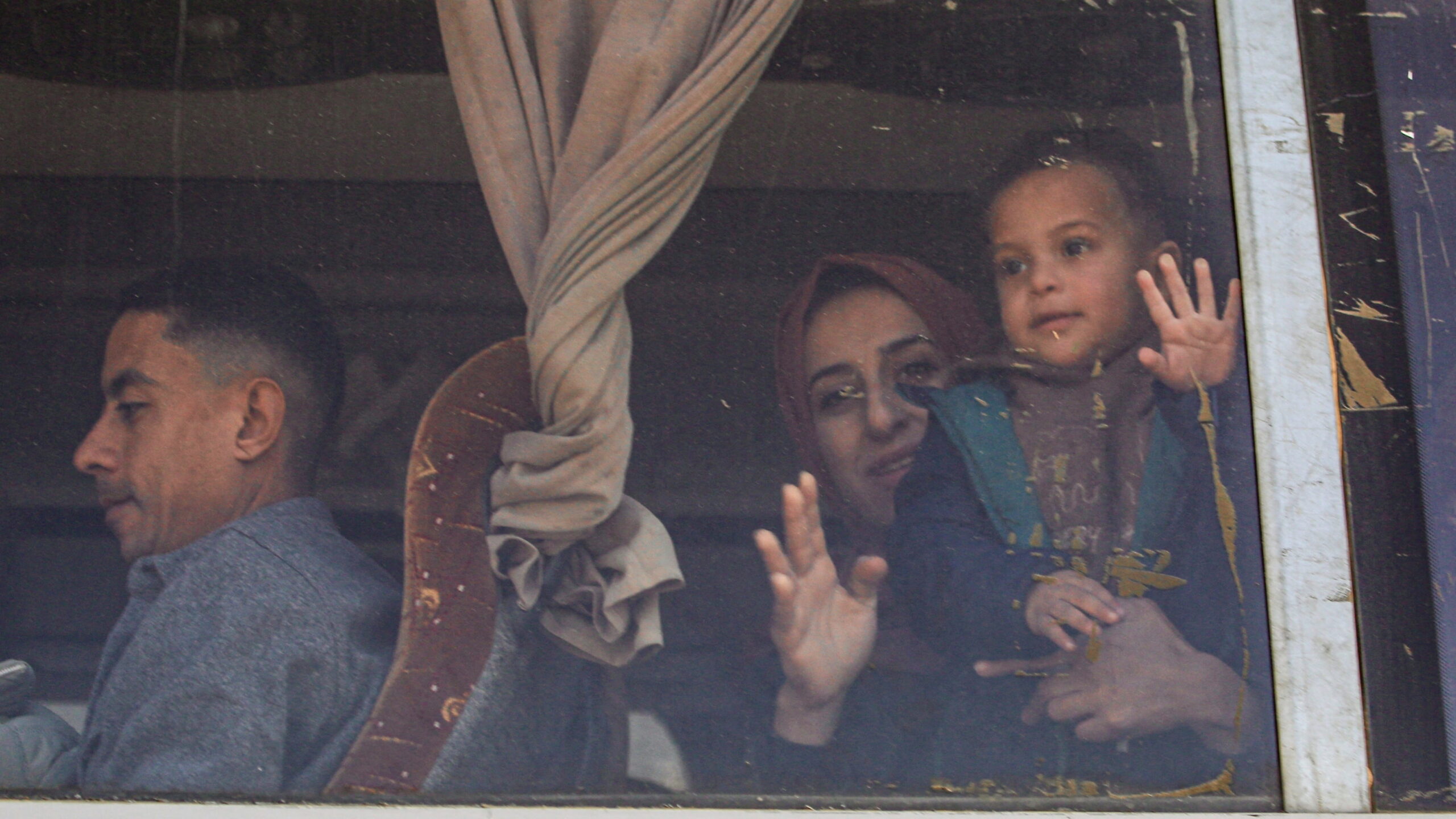
The Rafah border crossing connecting Gaza and Egypt resumed operations on Monday following a nearly two-year closure after Israeli forces dismantled the transit point. This reopening marks a significant development in regional mobility under a newly implemented security arrangement.
Israeli authorities finalized checkpoint installations within the crossing early Monday, enabling a carefully regulated flow of movement. The new protocol permits 50 Palestinians to enter Gaza from Egypt daily, while approximately 150 residents may exit the enclave each day.
A sophisticated approval system requires all travelers to undergo security vetting with mandatory authorization from both Egyptian and Israeli authorities. European Union personnel from the EU Border Assistance Mission will administer the crossing’s operations, though Israeli forces maintain a presence in surrounding areas.
Notably, Israeli security teams will conduct physical inspections of individuals returning to Gaza after they depart the crossing facility. Advanced surveillance measures, including facial recognition technology, will monitor departing travelers according to Israeli media reports.
This strategically vital passage—Gaza’s sole border crossing bypassing Israeli territory—had remained sealed since May 2024 when Israeli forces assumed control. The reopening forms part of the October 10 ceasefire agreement mediated by the United States, fulfilling longstanding appeals from United Nations agencies and humanitarian organizations.
While Hamas officials acknowledged the crossing’s reopening, they criticized Israeli-imposed restrictions as obstructive to civilian movement. Senior Hamas representative Ghazi Hamad accused Israel of deliberately complicating transit procedures.
Concurrently, Hamas announced completion of administrative transfers to the newly formed National Committee for the Administration of Gaza (NCAG). This 15-member technocratic body, established under the ceasefire agreement, will oversee governance for Gaza’s 2.2 million residents under supervision of a US-chaired ‘Board of Peace’.
The reopening offers potential relief for medical emergencies, as Israeli authorities had previously blocked healthcare delegations and essential supplies during the conflict. According to Gaza’s Government Media Office, approximately 22,000 injured individuals and patients await urgent medical evacuation, though current quota limitations suggest extended waiting periods for most seeking overseas treatment.