The fragile Gaza ceasefire agreement has transitioned into its second implementation phase, marking a critical juncture in the conflict resolution process despite persistent violations and unresolved humanitarian challenges. This development follows US Presidential Special Envoy Steve Witkoff’s announcement that the truce is progressing from initial ceasefire measures toward demilitarization, technocratic governance, and reconstruction efforts under President Donald Trump’s 20-point peace framework.
Regional mediators Egypt, Turkey, and Qatar have welcomed the establishment of a Palestinian technocratic committee, led by former deputy planning minister Ali Abdel Hamid Shaath, to administer Gaza’s governance. The tripartite mediation body characterized this development as instrumental in stabilizing the region and improving dire humanitarian conditions that have plagued the coastal territory.
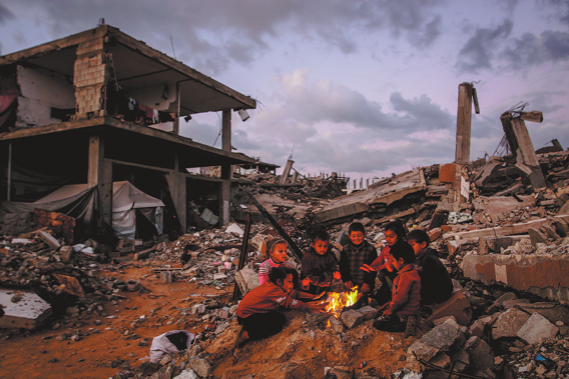
However, stark contrasts emerge between diplomatic declarations and ground realities. UN agencies report escalating military activities, while displaced Palestinians continue enduring severe winter conditions in makeshift shelters amid widespread destruction. The unresolved status of Ran Gvili, the last remaining Israeli hostage whose body remains unrecovered, represents a significant point of contention, with Israeli Prime Minister Benjamin Netanyahu demanding full compliance from Hamas regarding hostage returns.
Analyst Nagapushpa Devendra from Germany’s University of Erfurt warns of the agreement’s fragility, noting that the transition from rule-based mediation to power-based coercion fundamentally undermines the ceasefire’s credibility. This shift primarily serves Israeli strategic interests while leaving Palestinians subject to conditional and potentially reversible arrangements, despite the Palestinian Presidency’s emphasis on unifying West Bank and Gaza governance structures.