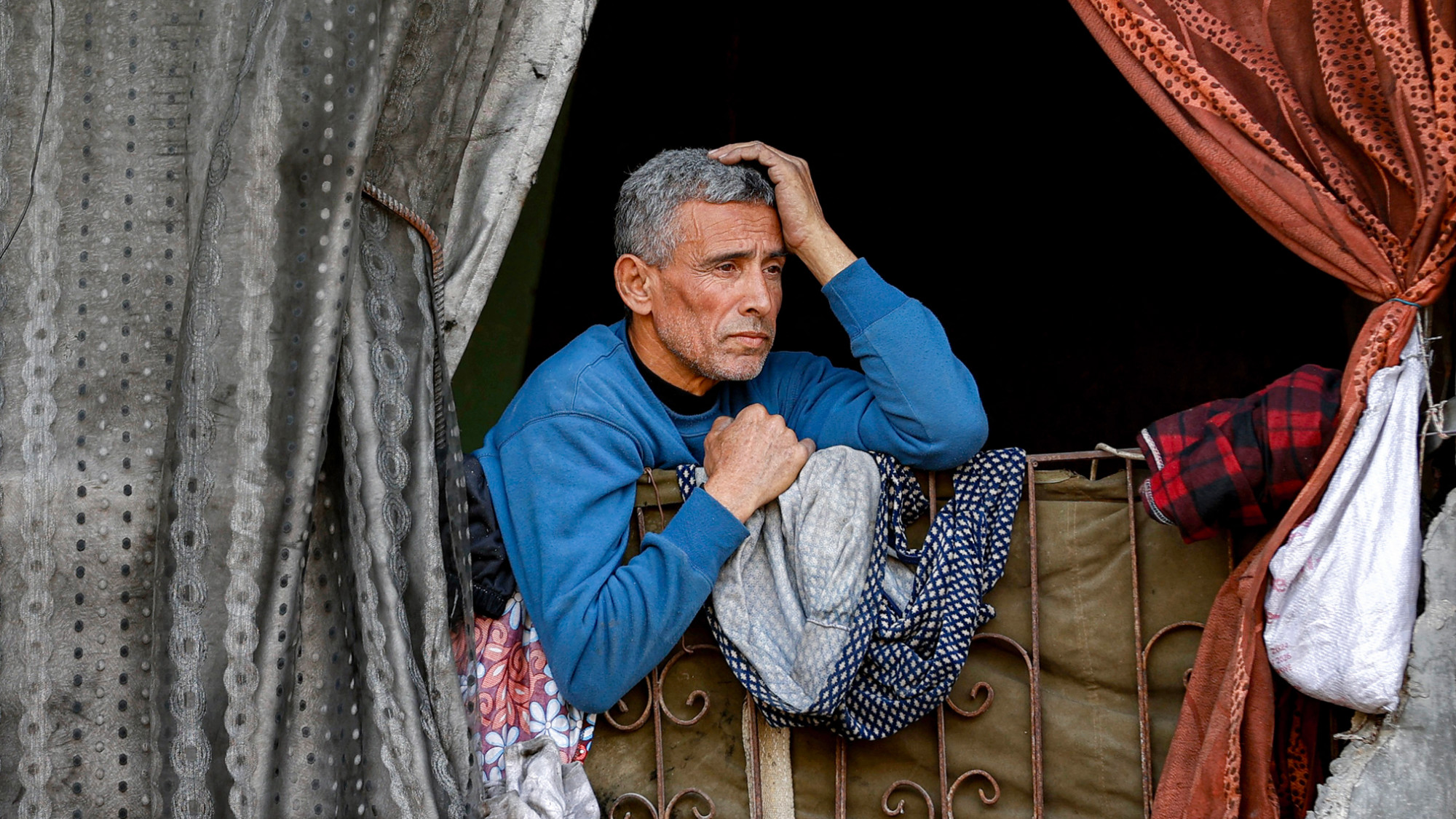
Along the Israeli-imposed demarcation zone in Gaza known as the ‘Yellow Line,’ nocturnal existence has become a terrifying ordeal for Palestinian residents. Hamed, a 25-year-old from Khan Younis who requested anonymity for security reasons, describes sleeping patterns routinely shattered by explosive detonations and sustained gunfire that commences each evening and continues until dawn.
The Yellow Line, established as a temporary withdrawal boundary under October’s ceasefire agreement, now represents a constantly shifting frontier where Israeli military presence controls approximately 58% of Gaza territory. What began as a security buffer has progressively encroached deeper into Palestinian domains, shrinking from nearly two kilometers to less than one kilometer from residential areas in recent weeks.
This geographical compression has been accompanied by escalating military activity. ‘We now visually identify tanks as they approach, open fire, and subsequently retreat. The experience is utterly terrifying,’ Hamed reported to Middle East Eye. The psychological warfare compounds physical dangers, with multiple neighbors having sustained injuries from gunfire while inside their homes.
The humanitarian impact extends across Gaza’s regions. In al-Bureij, central Gaza, Khaled (also using pseudonym for safety) described indiscriminate shooting forcing his uncles to abandon their property adjacent to the boundary. Meanwhile, in al-Maghazi refugee camp, mother of six Houida Salim articulated the perpetual anxiety: ‘The war never finished. Whenever we hear tank movements, we feel imprisoned within our homes.’
International human rights organizations have condemned Israel’s operations along the Yellow Line. The Euro-Med Human Rights Monitor characterizes these actions as ‘illegal seizure and systematic plundering of resources’ in occupied territory, violating established international law.
According to Palestinian health authorities, at least 591 fatalities have occurred since the truce began four months ago, predominantly near the Yellow Line. The shifting boundary has triggered repeated displacements, restricted access to agricultural lands, and created generations traumatized by relentless military presence with no viable refuge remaining for countless families.