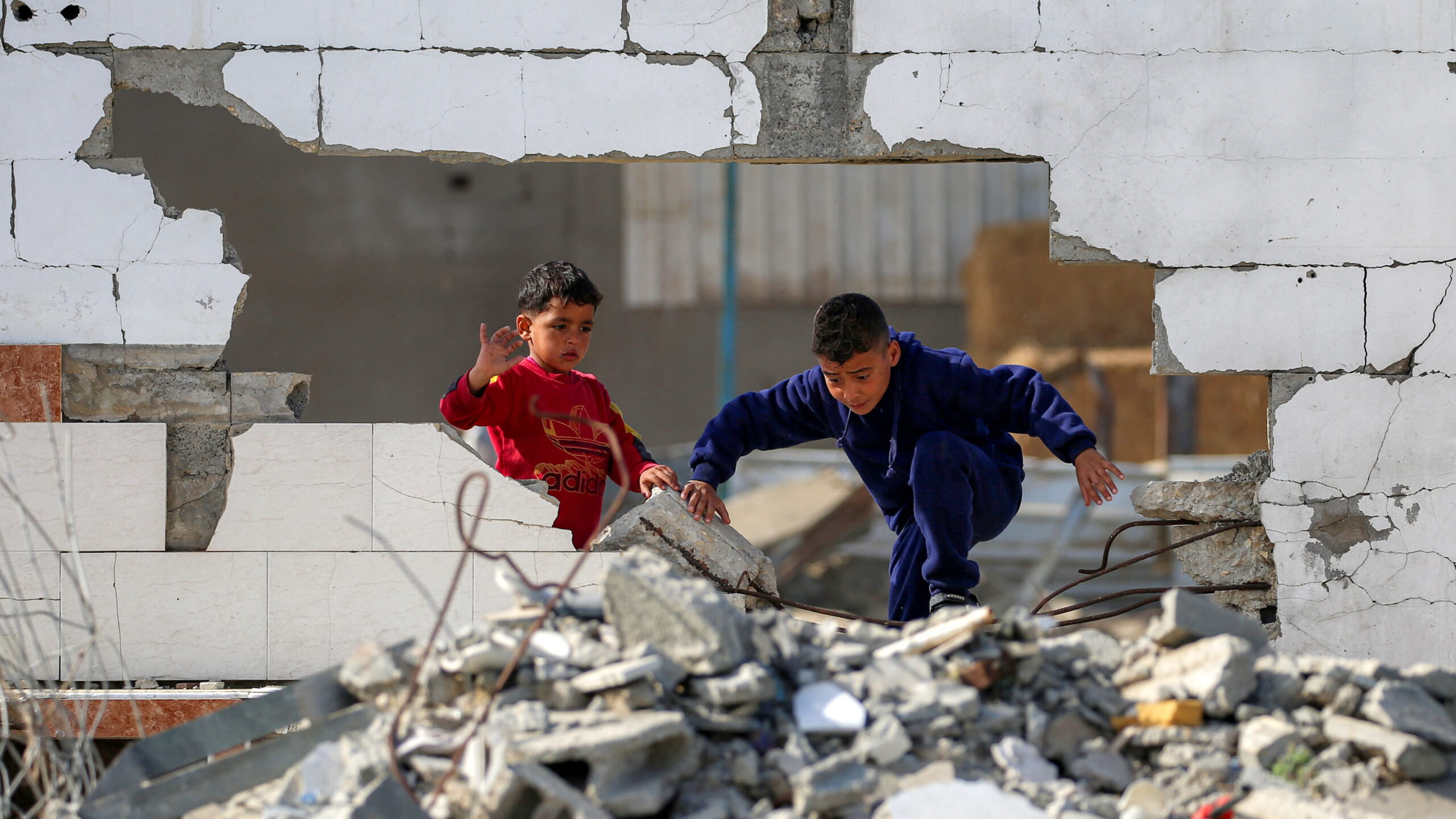
Gaza’s Civil Defence agency revealed on Thursday that approximately 8,000 Palestinian victims of Israel’s military offensive remain buried beneath massive rubble deposits, despite extensive recovery efforts. The disclosure highlights the staggering hidden death toll extending beyond officially confirmed casualties.
Spokesperson Mahmoud Basal further indicated that over 3,000 individuals are officially classified as missing, with their status—whether alive, deceased, or detained—remaining undetermined. Recovery operations have faced severe complications, with Basal confirming the disappearance and decomposition of hundreds of bodies during search efforts.
The scale of destruction presents unprecedented challenges. According to a United Nations Environment Programme assessment, Gaza is buried under at least 61 million tonnes of debris, with approximately 15% potentially contaminated with hazardous materials including asbestos, industrial waste, and heavy metals. UNEP noted that nearly two-thirds of this rubble accumulated during the first five months of hostilities, with destruction accelerating significantly before the current ceasefire.
Recovery operations confront multiple obstacles: continued Israeli demolitions and shelling, widespread unexploded ordnance, and restrictions on importing essential equipment and machinery. Recent reports document ongoing military activities, including large-scale demolition operations in Khan Younis and shelling in Gaza City’s Zeitoun neighborhood, alongside indiscriminate firing along coastal areas.
An Al Jazeera investigation published Monday added another dimension to the tragedy, alleging Israel’s use of internationally prohibited thermal and thermobaric weapons that reportedly caused over 2,800 cases of “evaporated” Palestinian bodies. Since the October ceasefire took effect, recovery teams have located over 700 bodies, but hundreds of Israeli violations have been recorded, resulting in nearly 600 additional fatalities and over 1,500 injuries.
The overall devastation encompasses approximately 90% of Gaza’s infrastructure destruction and over 72,000 fatalities throughout the two-year conflict, creating a recovery operation of historic proportions with profound humanitarian implications.