The escalating conflict in Iran has sent shockwaves through India’s energy sector, with attention now turning to the country’s rapidly expanding piped natural gas (PNG) infrastructure after initial disruptions to liquefied petroleum gas (LPG) markets. India’s extensive network delivering gas directly to homes and businesses represents a critical energy artery facing unprecedented geopolitical pressure.
India’s natural gas ecosystem serves multiple sectors including fertilizer production, industrial operations, gas-fired power generation, and city gas networks that supply both PNG to households and compressed natural gas (CNG) to vehicles. The residential segment has emerged as the most dynamic growth area, with over 15 million active PNG connections expanding rapidly across urban centers as government policies encourage transition from traditional cylinders to piped gas.
While industry experts assure continued supply for priority sectors, the underlying vulnerability of India’s gas infrastructure is becoming apparent. Approximately half of India’s PNG supply originates from domestic production by companies like ONGC and Reliance, with the remaining balance dependent on liquefied natural gas (LNG) imports. This import dependency creates significant exposure to global market disruptions.
The geographical concentration of India’s LNG imports presents particular concern. More than 50% of imports flow through long-term contracts with Qatari suppliers, with additional volumes arriving from the United States, Australia, Russia, and African nations. Critically, approximately 55% of India’s total LNG imports must transit the Strait of Hormuz—the maritime chokepoint currently at the center of Middle East hostilities following US and Israeli attacks on Iran.
Current shipping data indicates 13 LNG cargoes loaded between February 10-26 remain en route to Indian ports, with deliveries extending through March. However, exports from Qatar’s massive Ras Laffan LNG complex have been suspended since March 2, potentially making current shipments the last until safe passage through Hormuz is restored.
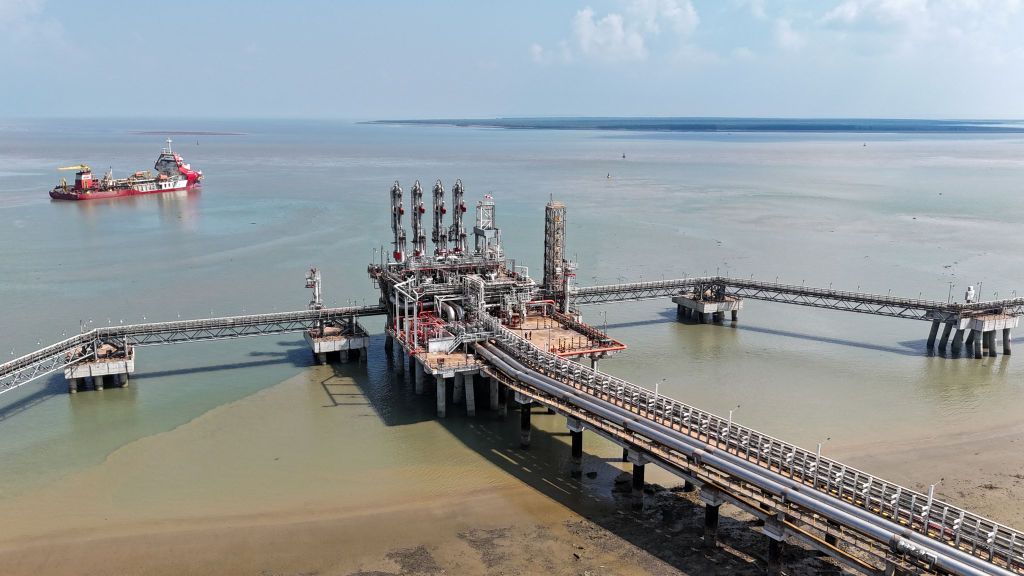
India’s lack of strategic LNG reserves compounds the situation. Gas storage consists primarily of working inventory at regasification terminals including Dahej, Hazira, Kochi, and Ennore—facilities holding approximately one to two weeks of import coverage depending on operational schedules. This limited buffer system functions reliably under normal conditions but faces severe stress during supply disruptions.
The immediate impact for Indian consumers will likely manifest through price inflation rather than supply interruption. Industrial and commercial customers already face government-mandated 20% supply reductions as gas is diverted to protect household and transportation sectors. If Hormuz disruptions persist, market adjustments will occur through elevated prices and suppressed industrial demand, ultimately affecting both households and factories through increased costs.