Northwestern China’s Gansu Province has achieved a landmark advancement in renewable energy infrastructure as the Jiuquan power grid surpassed 3 million kilowatts (3 GW) of new energy storage capacity. This represents a remarkable 98% year-on-year increase, signaling accelerated progress in China’s clean energy transition.
The substantial growth was primarily driven by the recent commissioning of a major standalone energy storage facility developed by Ningsheng New Energy in Jiayuguan. This cutting-edge project, with a capacity of 500 MW/1,000 MWh, commenced operations on December 30, significantly enhancing the region’s grid management capabilities.
This infrastructure expansion plays a crucial role in stabilizing power supply fluctuations inherent to renewable sources like solar and wind. The enhanced storage capacity enables more efficient integration of intermittent clean energy into the regional grid, reducing reliance on traditional fossil fuel-based power generation during peak demand periods.
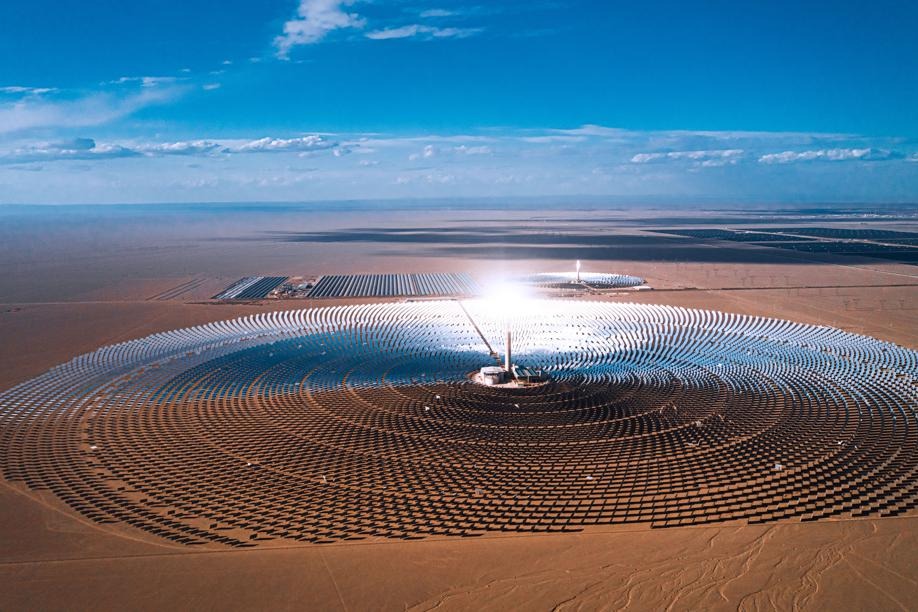
The achievement aligns with China’s broader strategic goals to peak carbon emissions before 2030 and achieve carbon neutrality by 2060. Gansu Province, with its abundant solar and wind resources, has emerged as a frontrunner in the nation’s renewable energy development, with the Dunhuang Shouhang Energy-Saving Tower Molten Salt Solar Thermal Power Station representing another flagship project in the region’s clean energy portfolio.
Industry analysts note that this storage capacity milestone establishes Jiuquan as one of China’s most advanced renewable energy hubs, providing a replicable model for other regions developing large-scale clean energy infrastructure. The project demonstrates practical solutions to renewable energy integration challenges while supporting grid reliability and energy security objectives.