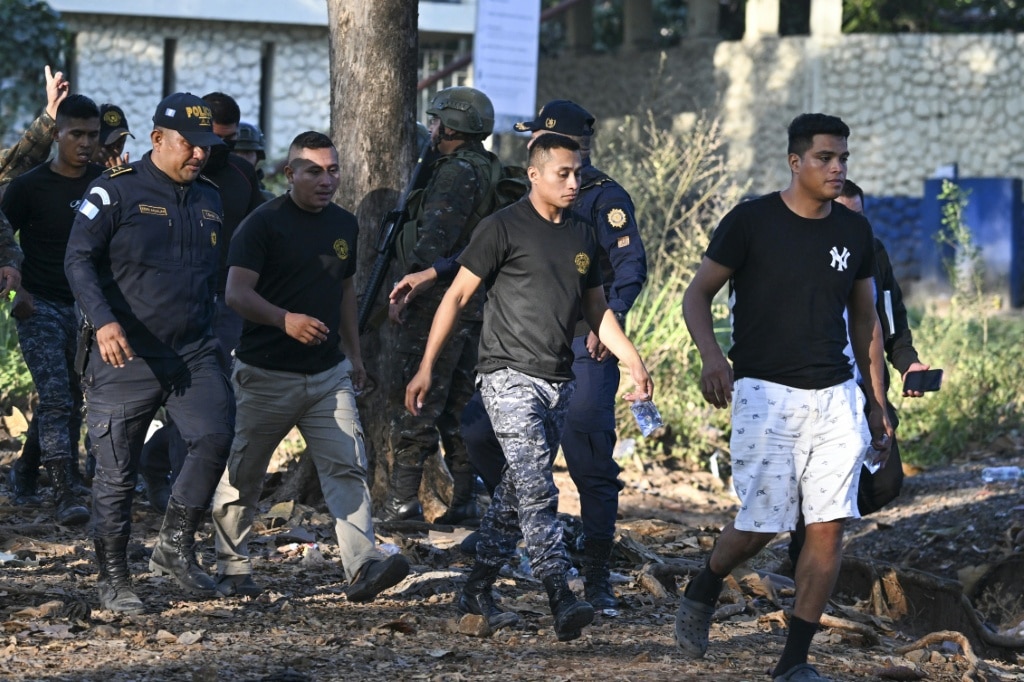
In a brutal wave of retaliatory violence, Guatemalan gang members killed seven National Civil Police officers and wounded ten others on Sunday. The attacks came in direct response to the government’s firm stance against transferring imprisoned gang leaders to lower-security facilities.
The deadly assaults occurred throughout Guatemala City and surrounding regions, just one day after gang-affiliated inmates seized 46 hostages across three correctional facilities. According to Interior Minister Marco Antonio Villeda, the coordinated attacks represented ‘cowardly acts by terrorists’ targeting state security forces.
President Bernardo Arevalo convened an emergency cabinet meeting Sunday, pledging to make ‘decisive decisions to maintain security’ amid escalating tensions. The crisis began Saturday when inmates took prison staff hostage to protest the transfer of gang leaders to maximum-security institutions.
In a dawn operation Sunday, Guatemalan security forces supported by military units stormed the Renovación I maximum-security prison in Escuintla, approximately 75 kilometers south of the capital. Utilizing armored vehicles and tear gas, authorities regained control within 15 minutes and successfully rescued nine hostages without casualties.
During the operation, security forces captured Aldo Dupie, alias ‘El Lobo’ (The Wolf), identified as the Guatemalan leader of the notorious Barrio 18 criminal organization. The Interior Ministry released footage showing Dupie in bloodstained clothing being led away in handcuffs.
The violence highlights the ongoing struggle against Barrio 18 and its rival MS-13, both designated terrorist organizations by the United States. These groups maintain significant influence within Guatemala’s prison system and are responsible for much of the drug trafficking and criminal violence plaguing the Central American nation.
As of Sunday, gang members continued holding 37 additional hostages at two other facilities: Fraijanes II prison east of the capital and Preventivo prison on the city’s outskirts. While Interior Minister Villeda acknowledged ongoing negotiations for their release, he emphatically stated that the state ‘will not bow down to these criminals.’
Defense Minister Major General Henry Saenz confirmed the army would maintain its presence on the streets to continue ‘dismantling’ criminal networks. The current crisis continues a pattern of prison unrest dating to mid-2025, with gangs repeatedly staging uprisings to demand improved conditions for their leadership.
The situation underscores Guatemala’s severe security challenges, with the country recording a homicide rate of 16.1 per 100,000 inhabitants in the previous year—more than double the global average.