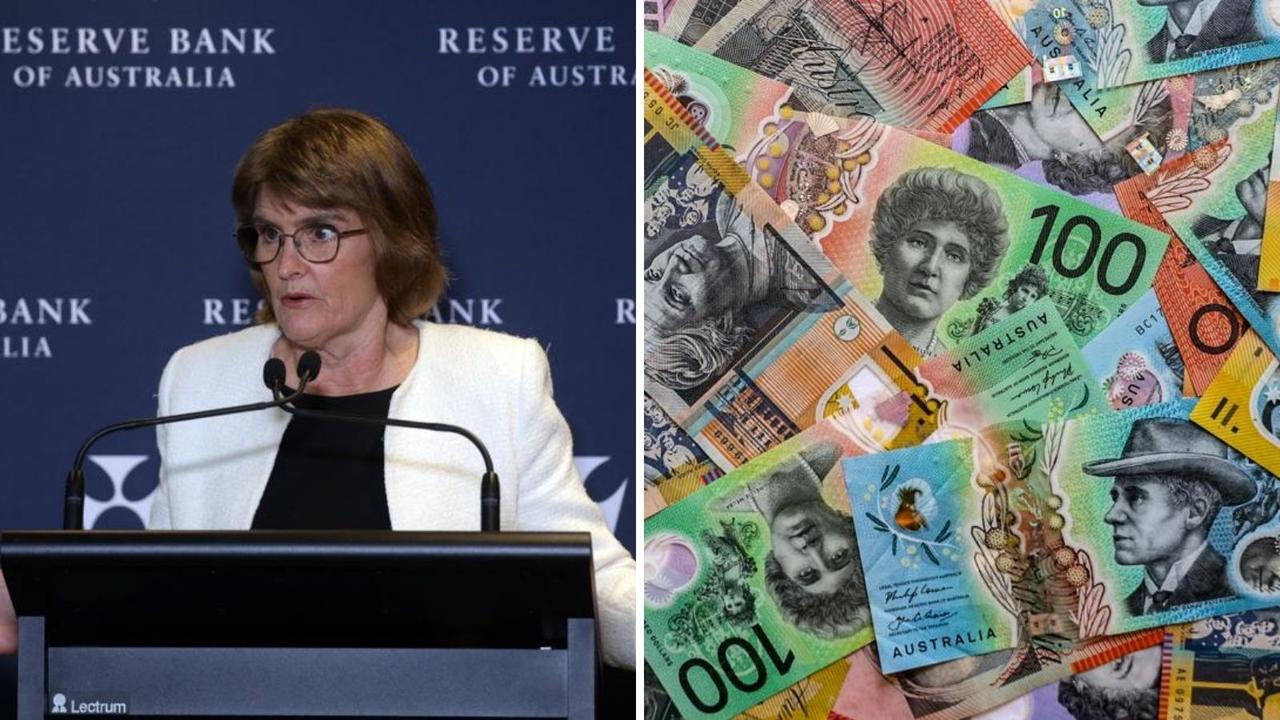
Financial markets are overwhelmingly anticipating another interest rate increase from the Reserve Bank of Australia, potentially delivering another blow to millions of mortgage holders already facing economic pressure. With the RBA’s February 3 meeting approaching, consensus is building around a potential 25-basis-point hike that would push the official cash rate from 3.60% to 3.85%.
According to Roy Morgan research, such a move could push an additional 41,000 Australian mortgage holders into financial distress, bringing the total to 1.23 million households classified as ‘at risk.’ Should the RBA implement two consecutive rate hikes totaling 50 basis points, that number would surge to approximately 1.32 million mortgage holders, representing 27.2% of all Australian homeowners with mortgages.
The classification of ‘at risk’ applies when mortgage repayments exceed 25-45% of a household’s after-tax income, factoring in the standard variable rate and original borrowing amount. This financial pressure comes amid concerning inflation data from the Australian Bureau of Statistics, which showed headline inflation climbing to 3.8% annually in December, up from 3.4% in November.
Key drivers of this inflationary surge include electricity prices soaring 21.5% as government rebates were phased out, meat prices experiencing double-digit increases, and services inflation rising to 4.1% annually. Notable contributors to services inflation included domestic holiday travel costs (up 9.5%, partially attributed to the Ashes cricket series) and rising rents increasing by 3.9%.
Economic opinions remain divided on the appropriate response. Betashares chief economist David Bassanese stated, ‘All up, it appears to be game, set and match for a rate rise at the February policy meeting.’ However, AMP chief economist Shane Oliver advocated for patience, suggesting the RBA should determine whether recent inflation figures represent a temporary fluctuation rather than a sustained trend before implementing further rate increases.
Oliver explained the mechanism of rate hikes: ‘People have less money to spend, so it may not be the case that local government rates or electricity prices come down because of interest rates but something else will come down because a 25 basis point rise will cost someone with the average mortgage $110 a month.’