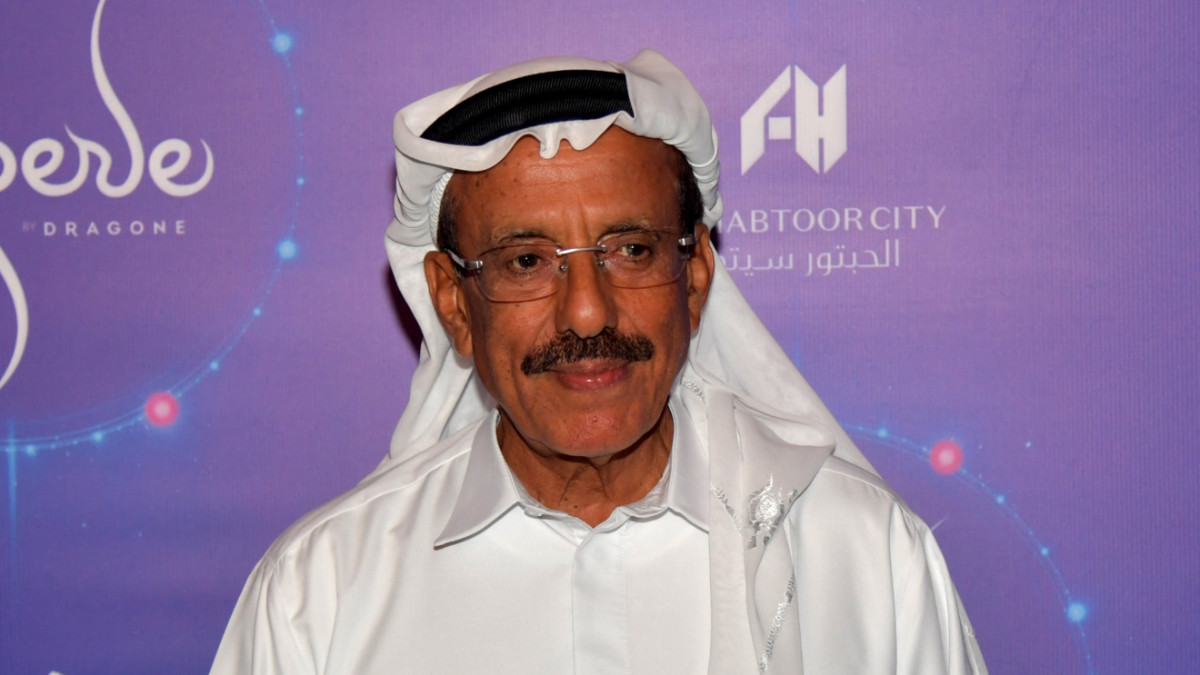
In an unprecedented public condemnation, Emirati billionaire Khalaf al-Habtoor has directly challenged former U.S. President Donald Trump over his decision to initiate military action against Iran, accusing him of endangering America’s Gulf partners and betraying his electoral promises.
The Dubai-based magnate, who maintains close ties to UAE ruling circles, utilized social media platform X to issue a scathing open letter questioning the legitimacy and consequences of Trump’s controversial move. This represents the most significant criticism from the Arabian Gulf region since hostilities commenced last Saturday.
Habtoor’s critique carries particular weight given his historical alignment with Trump policies. The businessman had previously championed the Abraham Accords that normalized relations between Israel and several Arab nations including the UAE, Morocco, and Bahrain. His conglomerate, Al Habtoor Group, was among the first Emirati companies to pursue partnerships with Israeli airlines and technology firms.
The billionaire posed pointed questions regarding potential Israeli influence on Trump’s decision-making: ‘Was this your decision alone? Or did it come as a result of pressures from Netanyahu and his government?’ He further emphasized that Gulf Cooperation Council nations had been ‘placed at the heart of a danger they did not choose.’
Habtoor highlighted the stark contradiction between Trump’s proposed ‘Board of Peace’ initiative for Gaza reconstruction and the military escalation with Iran. Noting that Gulf states had committed billions to peace and stability efforts, he demanded accountability: ‘Are we funding peace initiatives or funding a war that exposes us to danger?’
The businessman extended his criticism to Trump’s domestic record, citing 658 airstrikes ordered during his first year compared to fewer under President Biden’s four-year term. He referenced Trump’s declined approval ratings and alleged betrayal of campaign promises to avoid foreign entanglements, noting military interventions in seven nations during his second term.
This extraordinary public rebuke reflects growing concerns within Gulf ruling circles about regional stability and the protection of energy infrastructure and economic centers from broader conflict repercussions.