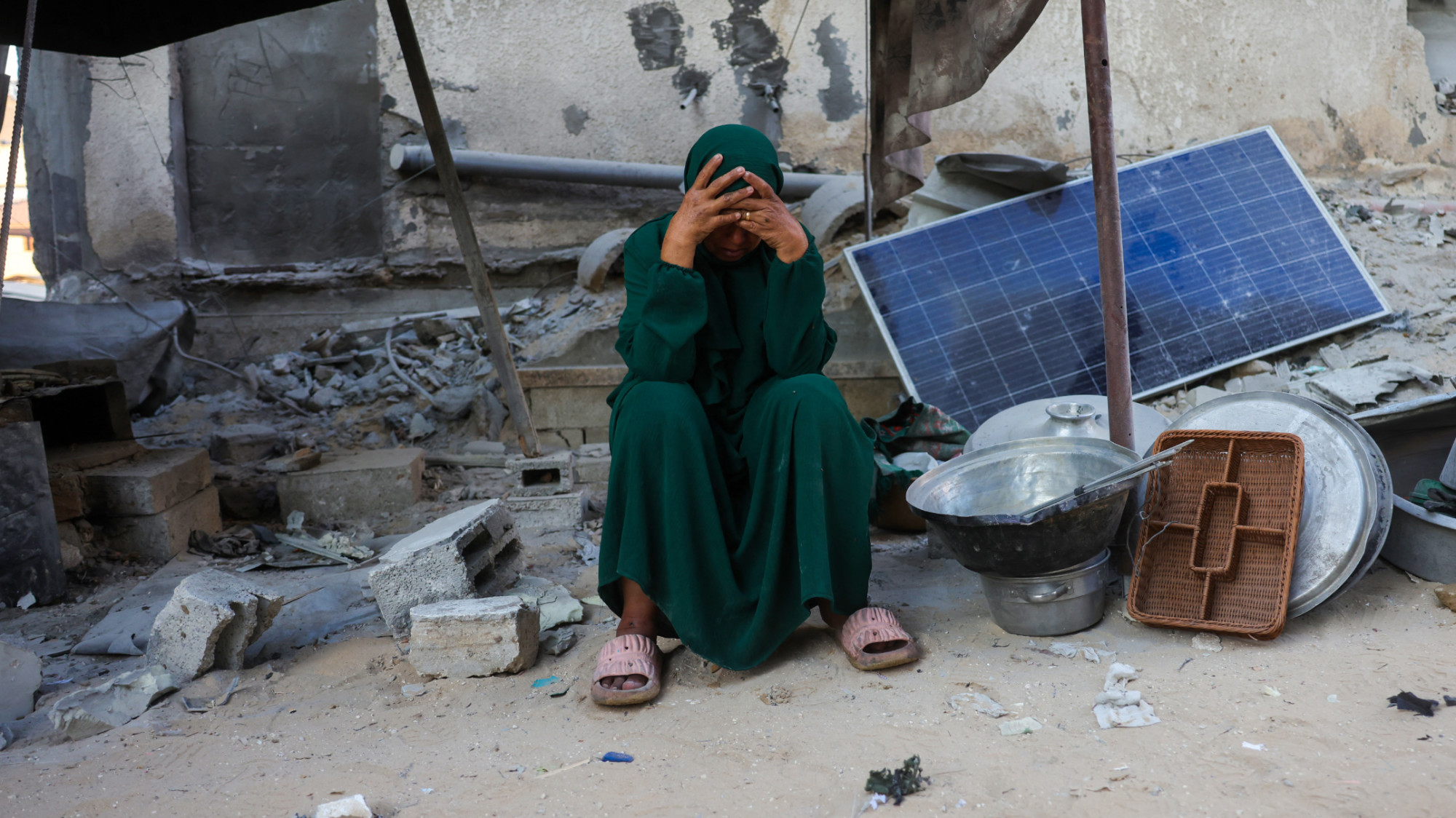
Since the Gaza ceasefire agreement was signed last month, Israel has been accused of repeatedly violating its terms. Reports indicate a series of unprovoked actions, including air strikes, shootings, arrests, and incursions beyond agreed deployment lines. Israel has justified these actions by citing alleged breaches by Hamas and other Palestinian groups, but Hamas has denied these claims, asserting full compliance with the ceasefire terms. Many of these violations have targeted civilians without clear justification. According to the Gaza-based Government Media Office, as of October 28, Israeli forces had carried out 52 shootings and 55 shellings across the Gaza Strip, resulting in 226 deaths, including 97 children, and 594 injuries. Additionally, at least 11 civilian homes have been demolished, and Israeli forces have deployed explosive-laden robots to destroy buildings. The Rafah crossing, crucial for humanitarian aid, remains closed, preventing critically wounded individuals from seeking treatment abroad. Only a fraction of the agreed-upon aid has been delivered, with essential medical supplies and heavy machinery for clearing rubble still blocked. Hamas has also accused Israel of breaching the prisoner exchange agreement, failing to provide a complete list of detainees and delaying the release of women and children. Despite these violations, Hamas has returned 20 living captives and 17 bodies under the agreement, with 11 more believed to remain buried in Gaza. The ongoing violations and humanitarian crisis highlight the fragility of the ceasefire and the urgent need for international intervention.