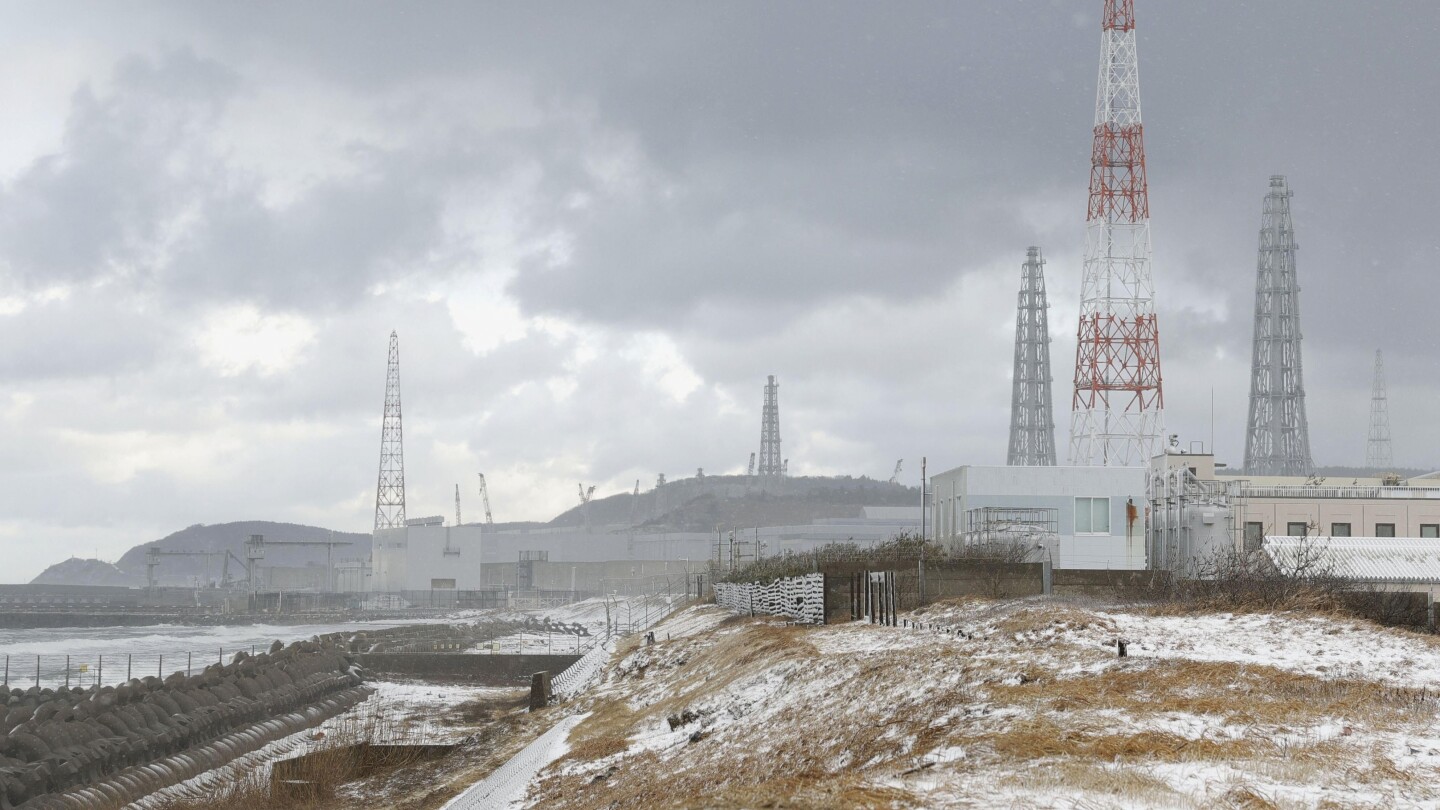
Japan has initiated the restart process for the Kashiwazaki-Kariwa nuclear facility, the world’s largest nuclear power plant, marking Tokyo Electric Power Company Holdings’ (TEPCO) first return to atomic energy generation since the 2011 Fukushima disaster. The reactor No. 6 commencement represents a pivotal moment for Japan’s energy strategy as the nation confronts escalating electricity demands despite persistent public apprehension.
The reactivation comes after years of regulatory scrutiny and safety upgrades, with TEPCO investing over 1 trillion yen ($6.33 billion) in protective measures including reinforced seawalls, earthquake-resistant command centers, and advanced filtered venting systems. The utility company remains under intense public scrutiny due to its management of the Fukushima Daiichi catastrophe, where meltdowns rendered surrounding areas uninhabitable and resulted in an estimated 22 trillion yen ($139 billion) cleanup cost.
Local residents express conflicted sentiments, acknowledging potential economic benefits while voicing substantial concerns regarding evacuation feasibility in the earthquake-prone region. These worries intensified following the 2024 Noto Peninsula earthquake that caused significant infrastructure damage, demonstrating the potential impracticality of existing evacuation plans for the approximately 418,600 residents within the plant’s emergency zones.
Japan’s policy reversal on nuclear energy reflects broader strategic calculations, including energy security needs following Russia’s invasion of Ukraine, rising fossil fuel costs, and increasing electricity demands from power-intensive AI data centers. The government now aims to nuclear power to constitute 20% of Japan’s energy mix by 2040, more than doubling its current contribution.
The Kashiwazaki-Kariwa reactor will undergo phased activation, reaching 50% capacity within approximately one week before temporary shutdown for comprehensive inspection. Full commercial operation is anticipated by late February, representing a significant milestone in Japan’s reembrace of nuclear technology despite its complex legacy.