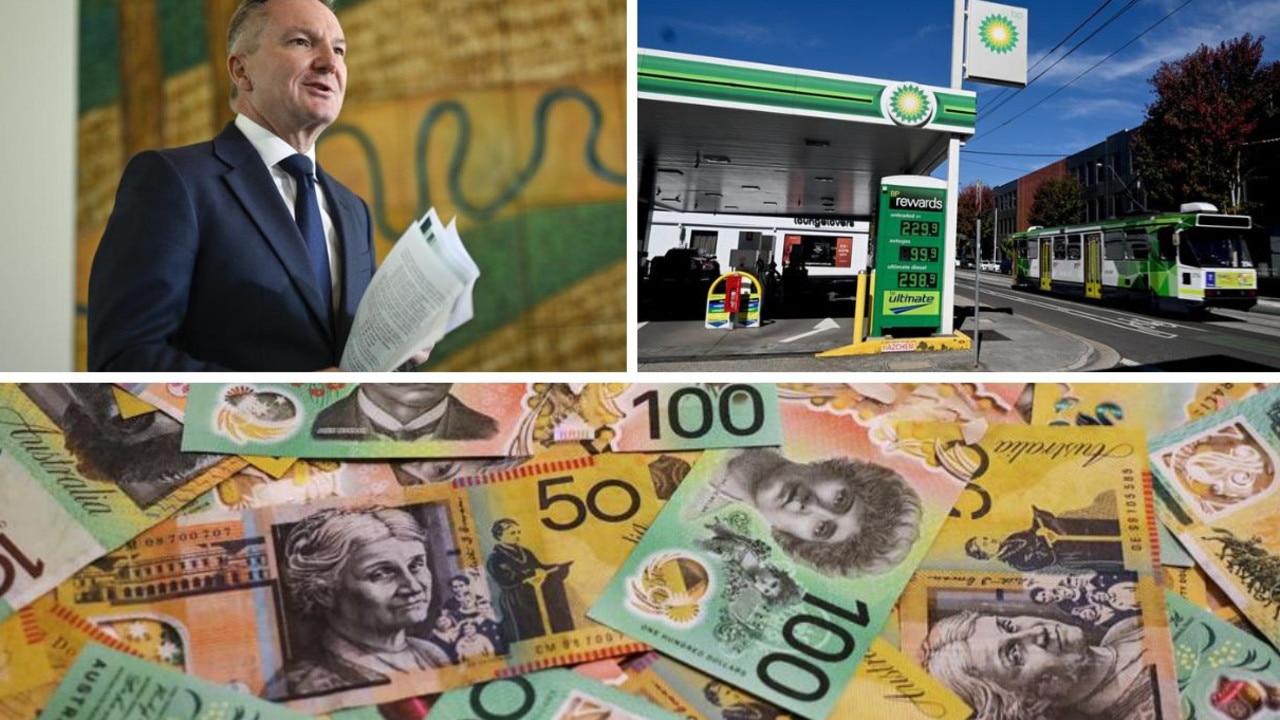
Australian motorists are bracing for an immediate 32-cent-per-litre jump in fuel prices after Energy Minister Chris Bowen confirmed this week that the federal government’s temporary cost-of-living fuel relief scheme will expire as scheduled on June 30, with no extension planned.
Introduced in early April, the policy was designed to counter runaway global fuel prices triggered by heightened geopolitical tensions in the Strait of Hormuz, the critical maritime chokepoint through which roughly 20% of the world’s daily energy shipments pass. Tensions between the U.S. and Iran pushed international benchmark crude oil from roughly $56 U.S. dollars per barrel in January to a temporary peak of $120 U.S. dollars per barrel, passing through the cost directly to Australian drivers at the pump.
To offset this spike, the government implemented two key relief measures: it halved the national fuel excise tax, and arranged to return the unexpected GST windfall gained from higher fuel prices after state and territory governments agreed to cede their share of the extra revenue. Combined, the cuts have reduced fuel prices by approximately 32 cents per litre over the past three months, at a total cost to the federal budget of $2.55 billion.
Bowen emphasized that the policy was always structured as a temporary intervention, not a permanent change. “We’ve been very clear, this was a temporary reduction in the excise that was always intended to be temporary,” Bowen told reporters on Saturday. “While the Prime Minister and treasurer have repeatedly confirmed they will monitor the latest market data, our stated intention has always been to let the measure expire at the end of this month.”
The temporary tax cut has already had a measurable impact on Australia’s national inflation rate. Headline inflation hit a peak of 4.6% in March, before dropping to 4.2% in the following month, a decline driven in large part by lower transportation costs tied to the fuel excise reduction. With the policy set to expire, economists expect inflation will tick back upward in the coming third quarter, adding pressure to household budgets already strained by broad-based cost-of-living increases.
Global oil markets have calmed somewhat since the April peak, with crude currently trading around $89 U.S. dollars per barrel ($126 Australian) amid ongoing diplomatic negotiations between the U.S. and Iran. However, industry analysts remain divided over how quickly full shipping traffic will resume through the Strait of Hormuz once a potential peace deal is reached, leaving future price trajectory uncertain. Under standard market dynamics, every $10 U.S. dollar increase in global crude prices translates to an extra 10 cents per litre for Australian consumers.
Bowen also used the announcement to push back against criticism from the political opposition, accusing the Liberal-National coalition of “irrelevant scaremongering” over domestic fuel supplies. “First they predicted shortages around the Easter holiday period, then a couple of weeks ago the shadow minister claimed there would be widespread shortages in June,” Bowen said. “We are now in June, and Australia holds record volumes of fuel reserves. While this government has worked proactively to secure consistent supply, the Liberals have peddled misinformation and gotten the basic facts wrong. We have avoided fuel rationing, we have avoided shortages, and we hold more fuel reserves than at any point in the last several years. We will continue to adapt to international uncertainty and the ongoing regional conflict to guarantee adequate fuel supplies for all Australians.”