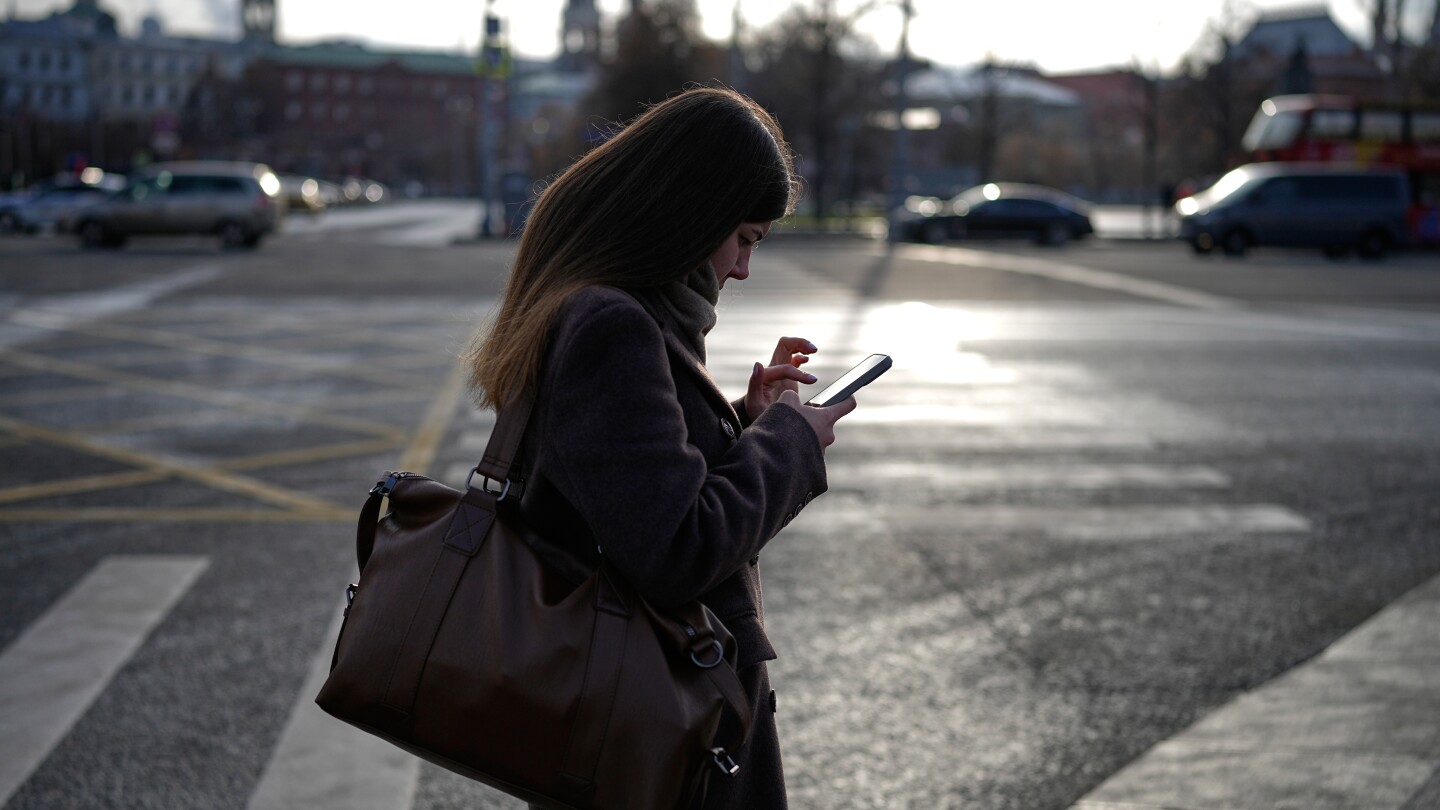
In 2025, Russians may look back on the year as a turning point when the government intensified its grip on internet access. Widespread cellphone internet shutdowns, ostensibly to counter Ukrainian drone attacks, have disrupted daily life across dozens of Russian regions for months. Popular messaging apps like WhatsApp and Telegram face restrictions, while the government promotes MAX, a state-controlled app critics view as a potential surveillance tool. Despite broadband and Wi-Fi remaining unaffected, Russians report significant digital disruptions, from non-functional ATMs to blocked messaging apps and restricted SIM cards. Families with diabetic children struggle to monitor glucose levels remotely, while public transport payment systems fail during outages. Authorities defend these measures as necessary for security, but analysts question their effectiveness. Meanwhile, the government’s push for MAX, which lacks end-to-end encryption and shares user data with authorities, has been met with skepticism. As restrictions tighten, many Russians resort to VPNs, though these are routinely blocked. Experts warn that while a total internet shutdown is unlikely, further stifling of online freedoms is on the horizon.
Frustrations grow in Russia over cellphone internet outages that disrupt daily life