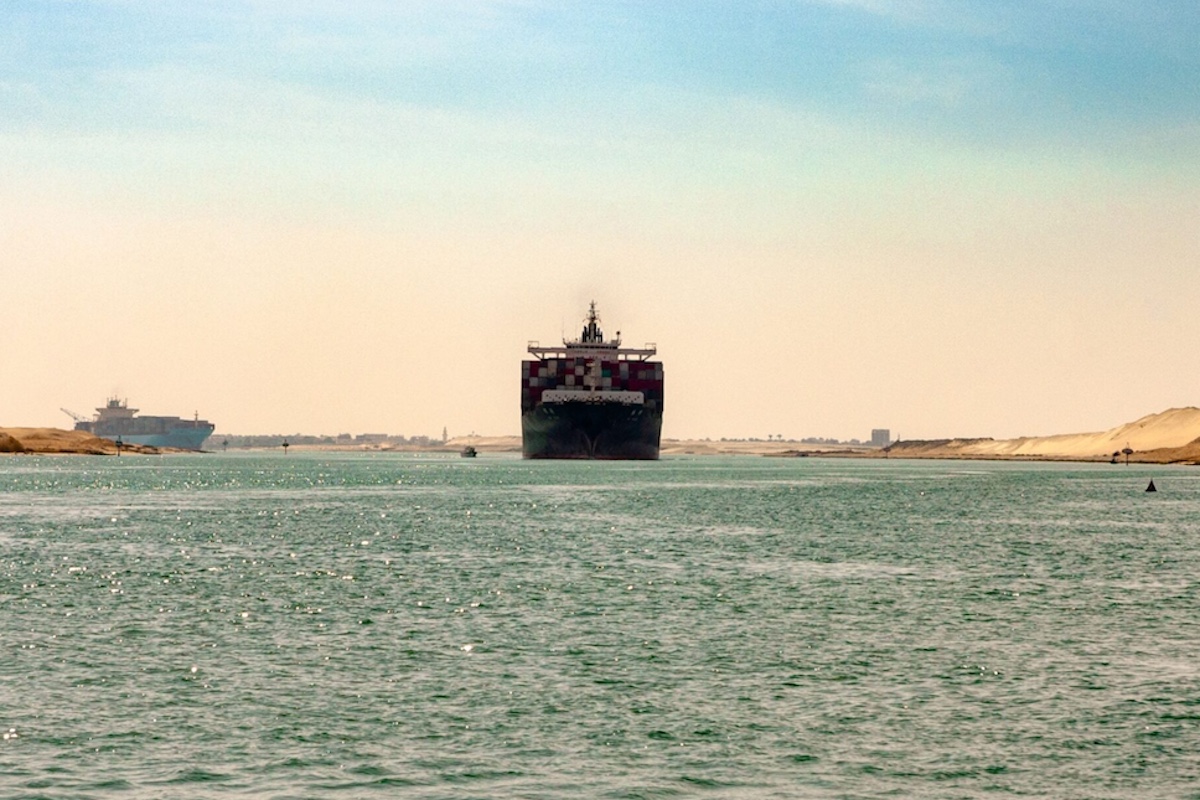
Seven decades after the Suez Crisis exposed the erosion of British and French imperial power, a strikingly parallel confrontation is unfolding at another critical maritime choke point—the Strait of Hormuz. Both historical episodes reveal how military interventions intended to secure energy arteries ultimately accelerate geopolitical decline through political humiliation and strategic miscalculation.
The 1956 Suez operation saw Britain and France, in collaboration with Israel, launch Operation Musketeer to reclaim the canal after Egyptian President Nasser’s nationalization. While militarily successful, the campaign collapsed under American financial pressure, revealing Britain’s inability to sustain great-power status without Washington’s support. The humiliation marked the effective end of the British Empire and exposed the fragility of Western hegemony.
This historical precedent finds eerie resonance in today’s Hormuz crisis. Following US-Israeli strikes on Iranian facilities in February 2026—including the killing of Supreme Leader Khamenei under Operation Epic Fury—Tehran retaliated by effectively closing the Strait to commercial shipping. The resulting disruption exceeds Suez in scale: approximately 20% of global oil supplies have been interrupted, with traffic declining 70-90% according to maritime reports.
The current situation differs critically in one aspect: the absence of spare capacity buffers that mitigated the 1956 crisis. Today’s tightly balanced markets must absorb supply shocks through demand destruction—skyrocketing prices that transmit economic pain globally. Asian nations bear the heaviest burden, with Japan (73% oil imports via Hormuz), South Korea (60%), India (50%), and China (40%) facing severe energy security challenges.
America faces contradictions reminiscent of Britain’s Suez dilemma. Despite becoming a major oil producer, the US remains vulnerable to global price spikes that immediately impact domestic gasoline costs and reignite inflation. Militarily, the extensive network of 19 Gulf bases—including the critical Al Udeid Air Base in Qatar—creates vulnerability rather than strength. These fixed installations present pre-mapped targets for Iranian precision missiles and drone swarms, transforming assets designed for deterrence into liabilities.
Gulf monarchies now confront their own post-Suez reckoning. Despite hosting US forces, they publicly refuse permission for American operations against Iran from their territories. This distancing reflects calculated risk assessment: the September 2025 Israeli strike on Doha, which went unanswered by nearby US forces, demonstrated that American protection prioritizes Washington’s interests over host-nation security.
The emerging Eastern pivot underscores the strategic shift. Saudi Arabia and the UAE joined BRICS+ alongside Iran in 2023, creating a coalition that unites major energy producers with the world’s largest consumers. This realignment offers Gulf states commercial relationships without the political conditionality increasingly associated with American engagement.
The deepest parallel between 1956 and 2026 lies in unintended consequences. The 1953 coup against Iran’s Mossadegh—orchestrated by Britain and the US to secure oil access—ultimately generated the antagonism that now threatens Hormuz. Similarly, current interventions intended to demonstrate American dominance may instead accelerate regional realignment and the erosion of Western influence. As Gulf states absorb historical lessons, they increasingly diversify security partnerships beyond Washington, potentially reshaping the global balance of power for decades to come.