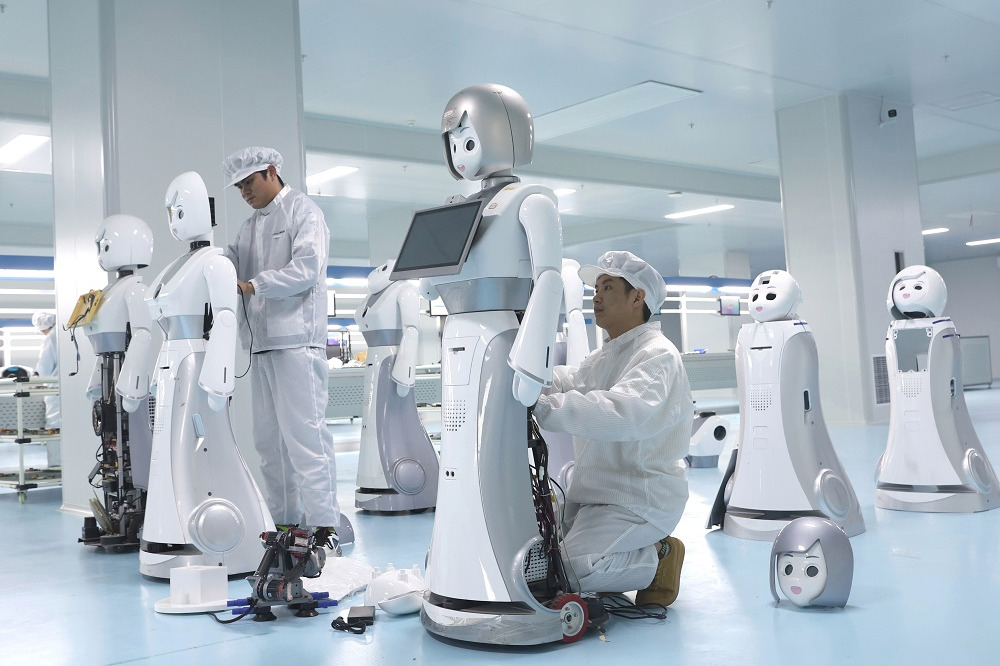
The year 2025 has emerged as a definitive turning point for humanoid robotics, marking their transition from experimental laboratory prototypes to commercially viable products entering mainstream society. Once confined to the realm of science fiction, these sophisticated machines are now being manufactured at scale, signaling a new technological epoch.
This breakthrough represents the culmination of decades of research and development by generations of scientists and engineers who have progressively transformed theoretical concepts into functional reality. The technological maturation is particularly evident in robots’ enhanced capabilities for autonomous recovery from failures—a capability demonstrated during public performances where humanoid robots successfully regained their footing after stumbling, eliciting enthusiastic applause from audiences.
These advancements reflect both extraordinary technical achievements and deeper philosophical aspirations. The development of humanoid robots embodies humanity’s enduring ambition to create intelligent companions that bridge the gap between organic and artificial life. The technology incorporates nuanced human-like characteristics and behaviors, creating machines that increasingly resemble their human creators in form and function.
The cultural significance of this development was highlighted during the 2025 World Humanoid Robot Games in Beijing, where robotic performers shared the stage with human dancers from the Beijing Dance Academy. This collaboration between human artistry and robotic precision demonstrated the expanding possibilities for human-robot interaction across various domains including entertainment, service industries, and potentially domestic environments.
As production scales increase and technological capabilities advance, these ‘steel companions’ are poised to become increasingly integrated into daily life, potentially transforming how we work, interact, and perceive the boundaries between artificial and human intelligence.