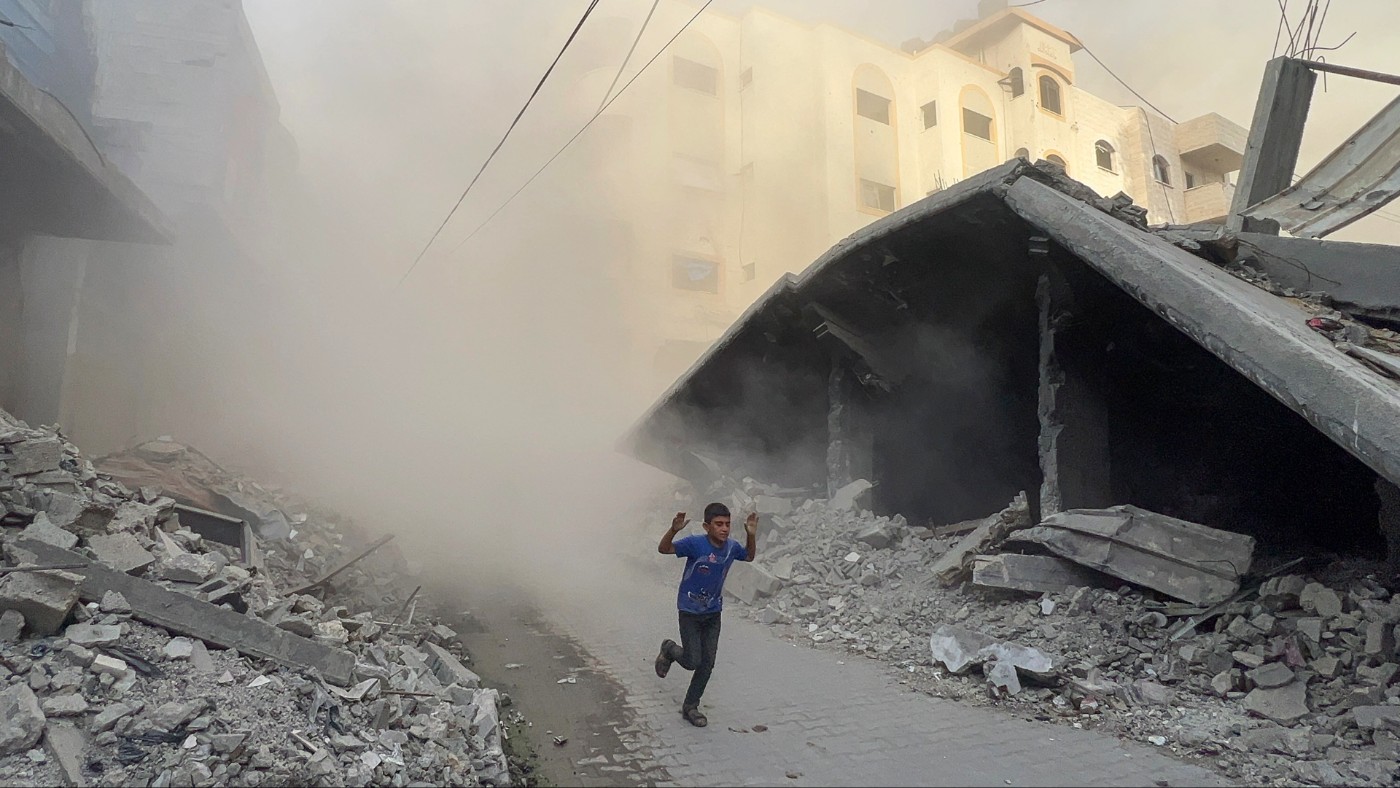
Residents of Tehran and other Iranian cities are experiencing haunting parallels to the destruction in Gaza as civilian infrastructure becomes systematic military targets in the ongoing conflict. The pattern of attacks on schools, hospitals, and residential areas has created eerie similarities that both Iranians and Palestinians recognize as part of a devastating regional strategy.
The war’s impact on education has been particularly severe. Multiple schools across Iran have suffered direct hits, including the Shajareh Tayyebeh school in Minab where a double-tap strike killed at least 168 people. The targeting of educational institutions mirrors the systematic destruction of Gaza’s school system, where over 97% of schools have been damaged or destroyed according to UNICEF data.
Healthcare facilities have similarly become battlegrounds. Tehran’s Gandhi Hospital suffered significant damage to its IVF department, creating anguish for prospective parents who lost genetic materials. This pattern directly recalls the destruction of Gaza’s al-Basma IVF Center in December 2023, which wiped out nearly 4,000 frozen embryos. The targeting of medical infrastructure follows a documented pattern from Gaza, where 94% of medical facilities have been damaged and no fully functional hospitals remain according to the WHO.
Civilian casualties have mounted rapidly, with at least 1,444 civilians killed in the first two weeks of conflict—a rate comparable to the initial phase of the Gaza offensive that claimed over 4,100 Palestinian lives in a similar timeframe. The psychological impact on survivors is profound, with many reporting sleep disturbances from constant bombardment and trauma from witnessing destruction they previously only saw in news reports from other conflict zones.
Regional analysts and residents note that the tactical approach appearing in Iran reflects testing and refinement of methods previously deployed in Gaza, with similar patterns now emerging in Lebanon and Syria. The consistent targeting of civilian infrastructure across multiple conflicts suggests a strategic doctrine rather than isolated incidents, creating humanitarian crises that will require years of reconstruction and recovery.