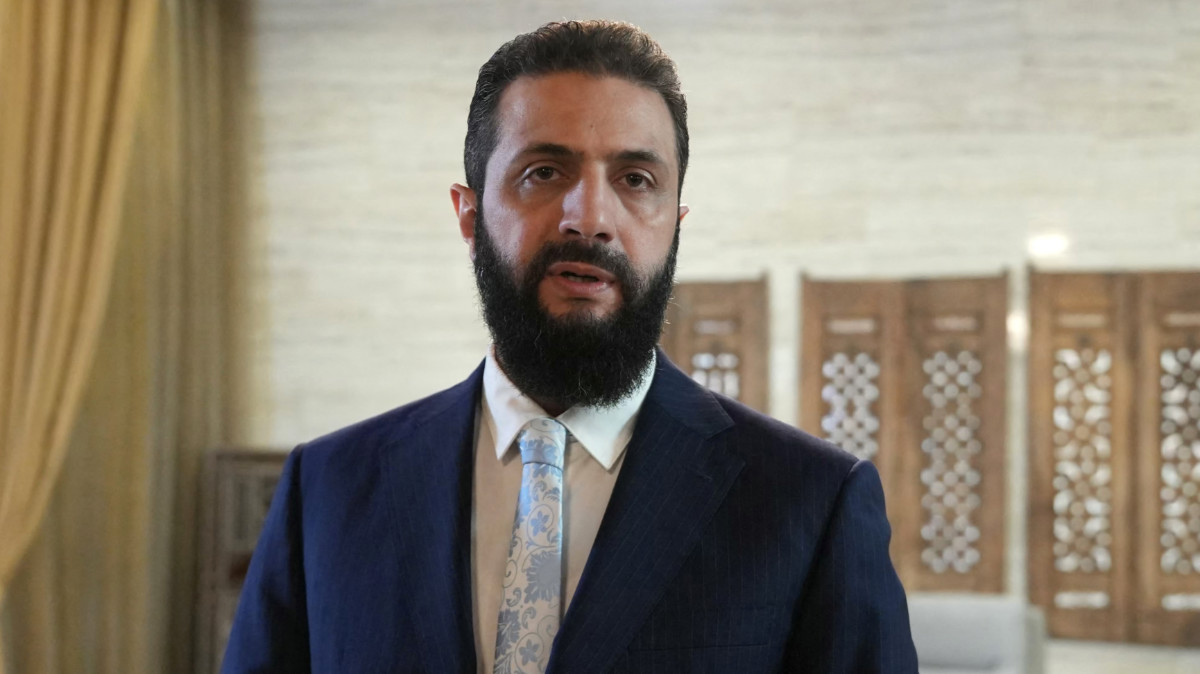
A significant geopolitical realignment is unfolding in the Middle East as Syria secures substantial economic agreements with Gulf powers under explicit American endorsement. US energy conglomerate Chevron formalized a preliminary arrangement with Syria and Qatar’s UCC Holding to initiate offshore oil and gas exploration along Syria’s coastline, marking Damascus’s inaugural venture into offshore energy development.
The Chevron agreement coincides with Saudi Arabia’s announcement of a multi-billion dollar investment package targeting Syria’s transportation infrastructure, including establishment of a private airline company. These developments occur alongside substantial Qatari-led energy infrastructure projects, notably a completed natural gas pipeline supplying Syrian industries with Turkish gas exports.
US diplomatic presence at the Damascus signing ceremony, through envoy Tom Barrack, signals Washington’s tacit approval of these economic partnerships despite previous tensions regarding President Sharaa’s military campaigns against US-aligned forces. The coordinated investments reveal emerging cooperation between historically opposed regional powers, with Qatar, Turkey, and Saudi Arabia collectively driving Syria’s reconstruction efforts.
This economic diplomacy extends beyond bilateral agreements, reflecting broader strategic realignments. Saudi Arabia and Turkey have strengthened ties through mutual opposition to Israeli military operations and coordinated support for factions in Sudan’s civil conflict. The convergence of American energy interests through Chevron’s regional presence—from Israel’s Leviathan field to Libyan exploration agreements—further demonstrates Washington’s strategic balancing act in Eastern Mediterranean energy politics.