The United States’ scheduled withdrawal from the World Health Organization in January 2026 has initiated a fundamental transformation in global health governance that extends far beyond immediate financial concerns. While the $260 million funding gap and reduced management capacity present immediate operational challenges, the more significant evolution is structural and ideological in nature.
China is strategically capitalizing on this power vacuum through its Health Silk Road initiative, fundamentally altering the paradigm of international health assistance. Rather than merely assuming America’s vacant position, Beijing is architecting an entirely new operational framework that prioritizes infrastructure development over traditional aid models. This represents a historic transition from charity-based donor-recipient relationships to investment-driven partnerships focused on building sustainable local capacity.
The Western approach, historically led by the United States and European Union, operated primarily through multilateral organizations and NGOs delivering essential health commodities—vaccines, antiretroviral drugs, and preventive materials—to developing nations. In contrast, China’s model emphasizes constructing the physical infrastructure that enables countries to manufacture their own medical solutions, as demonstrated by recent agreements establishing insulin production facilities in Nigeria and antimalarial factories throughout West Africa.
This strategic shift resonates powerfully with developing nations seeking to overcome the perceived paternalism often associated with Western aid conditionality. China frames its engagement as ‘South-South cooperation’ grounded in mutual respect and commercial partnership rather than donor dependency.
The complexity of this transition manifests in what analysts term a ‘bifurcated system’—a financially constrained WHO continues setting global health standards while China’s bilateral engine builds the physical architecture of healthcare delivery. This fragmentation risks creating incompatible technical standards for digital health, AI diagnostics, and vaccine production that could undermine global pandemic preparedness.
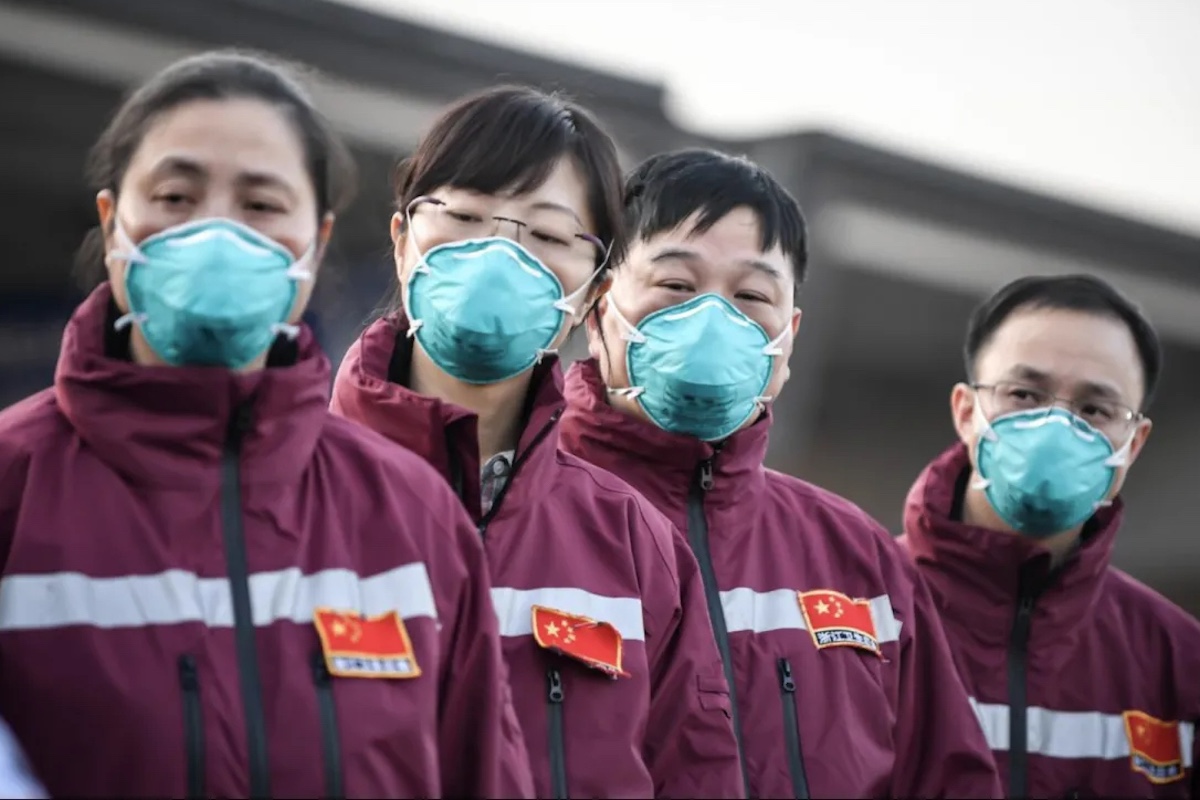
America’s withdrawal represents not merely a financial shortfall but an ideological abdication, allowing China to redefine ‘global public goods’ according to its state-centric governance philosophy. Through dispatching medical teams to 77 countries and embedding experts within institutions like the Africa CDC, China is executing health policy as foreign policy with unprecedented efficiency.
The emerging global health landscape will likely evolve as a hybrid system where nations adopt Western standards when available but increasingly rely on Chinese infrastructure. This new pragmatism necessitates that Western powers compete not through increased charity but through smarter investments in local capacity building. As Beijing paves this new road in global health governance, the absence of American leadership ensures it becomes the primary pathway forward.